
The National Disability Insurance Scheme (NDIS) has changed the way disability accommodation works in the SDA market in Australia. It brings new choices for people who have extreme functional impairment or very high support needs. With Specialist Disability Accommodation (SDA) homes, the NDIS helps make up for the lack of good places to live and also lifts the quality of life for the people using it. These homes keep accessibility and care at the centre, so people can enjoy safe, independent living in their own way. Now, in every part of the nation, disability accommodation is making community life better for all by supporting inclusive and independent living arrangements.
Exploring NDIS Housing for Enhanced Comfort, Connection, and Care
NDIS housing is more than just making places to live. It’s about setting up spaces that can help people with their physical and emotional needs. These places work to include everyone. Specialist disability accommodation focuses on coming up with plans that fit each person, so these homes can support their special needs.
Also, these homes play a big part in letting people live on their own and stay close to the community. They mix the right amount of comfort, up-to-date technology, and safety. This is in line with what the NDIS stands for, to give people with disability accommodation that is inclusive and puts the participant first.
1. Designing Homes for Optimal Comfort
Making homes that give the most comfort is very important for people who need disability accommodation. Simple home modifications, like making hallways wider, building kitchens you can reach, and adding bathrooms you can adapt to, help people live with more freedom and respect. SDA properties are made to work well with wheelchairs, mobility items, and other things people use in their daily lives.
These homes are built just for the needs of eligible participants, using things like lights you can change or floors with texture. These help give better sensory comfort. Using a strong structure also helps these homes last a long time and stay useful over the years.
When the NDIS puts the needs of each person first, it helps change regular spaces into special places for people who want a better quality of life, including attracting private investors. These changes give people more control to move around their homes, lower stress, and help them be more independent. The inclusion of proper accommodation is key for each person.
2. Building Strong Community Connections
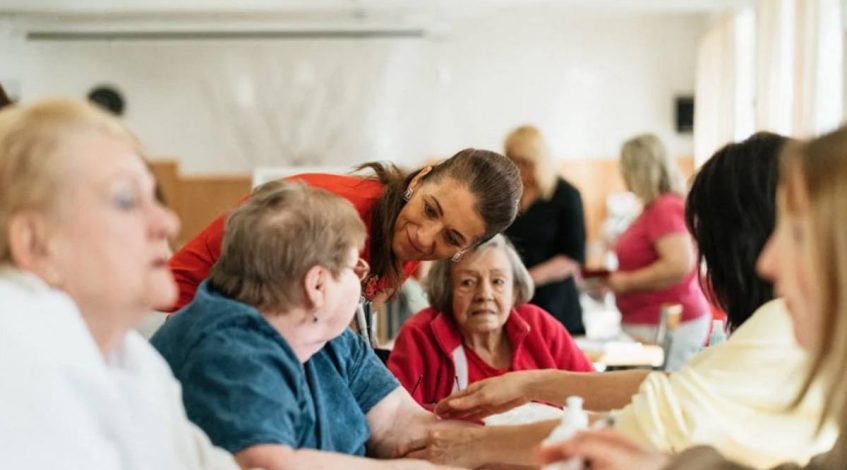
Community housing under the SDA scheme is about more than just building houses. It helps people living there to make real connections. When these places are made to support communication skills, they help everyone feel like they belong and are not alone.
Shared spaces like gardens, lounges, or kitchens bring people together. In these areas, you get the chance to talk, meet new people, and have a good time with others. These common areas help cut down on the loneliness that many people with disabilities often feel.
SDA housing supports ndis participants in joining the larger community around them. It links them to events and services nearby. This helps people feel like they are part of something bigger. Being supported by their neighbours and carers gives residents a boost in their confidence. When they feel these things, it becomes easier for them to work on and grow their communication skills.
3. Ensuring Comprehensive Care Support
Personal care and disability support services are a big part of NDIS housing. In every home, there is help available all day and night. This help is made to fit the needs of every person living there. People can get help with personal tasks and with support services in general.
Specialist Disability Accommodation, or SDA housing, uses designs that make it easy for carers to help. For example, bedrooms and bathrooms are made for fast movement and to fit the equipment that people need, accommodating a small number of residents. This makes it better and safer for caring for people.
These support services do not stop at daily tasks. They also include care for the body and the mind, so people feel safe and important. With these supports in place, SDA housing becomes a place where people with disabilities have a safe, caring home. Beyond the NDIS, the Australian Government’s upcoming Support at Home Program aims to streamline in-home care for older Australians, complementing initiatives like SDA by strengthening the overall framework of community-based, independent living supports.
4. Integrating Accessibility with Modern Technology
Modern technology is now a big part of NDIS housing. It helps to make disability accommodation much easier for people. Features like smart home systems, automated lighting, temperature control, and voice-activated door systems give people a safer and more comfortable way to live.
Adaptable technology helps people take charge of their own home environment. You will find things like easy-to-use control panels or smart assistants in these homes. These tools make life simpler and more independent for people in SDA properties without making things hard to use.
This new technology lets people be more independent. It is now possible for people to do more everyday tasks without always needing a carer. This focus on innovation fits well with accessibility. NDIS accommodation now gives people with disabilities a good and modern place to live on their own. By using this technology in SDA properties, there are now better chances for sustainable and long-lasting independent living for all.
5. Prioritising Safety in NDIS Housing
Making sure there is a safe place to live is very important in NDIS housing. When you focus on safety features like accessible design, strong railings, and floors that do not slip, you lower the risk of accidents for NDIS participants. This is even more important for people who have high support needs or who have strong physical difficulties. Doing regular checks and using home modifications that fit each person can help make the place even safer. Good communication about safety helps people feel secure. It also gives them more freedom to live how they want in their homes.
Impact of Well-Designed NDIS Housing on Residents
Well-designed NDIS housing can change people’s lives. It helps meet the physical, mental, and emotional needs of residents. These places help people do their daily tasks with more confidence. This lets them live more freely and makes life better for them.
Also, putting money into good disability accommodation makes people feel more included. It brings people in and makes the bond between them and where they live stronger. When you build support-focused places, people can feel like they belong. This lifts their quality of life and helps them feel good in their home and community.
Enhancing Daily Living Experiences
Daily tasks like cooking, cleaning, and personal care get easier when the right changes are made. For example, lower counters and cabinets in a home can help people handle household tasks on their own.
Independent living and sda properties let people have more freedom, but they still get help when they need it. These places mix good design with safety. This helps people do things for themselves and feel confident at the same time.
SDA homes can have things like soft lights and easy-to-use layouts. With SDA properties set up this way, daily life is better. When people can do more in their space, their self-worth goes up, and they feel good about what they do every day.
Fostering Independence Among Residents
Independent living and supported independent living (SIL) are a big part of SDA housing. It helps people with high support needs be in control of their own lives. These homes are made to remove problems in moving around the space. This means people can do many of their daily tasks on their own whenever they can.
There are support services available as well. This helps keep a balance between being independent and staying safe. For example, some adaptive technologies let people control things in their homes by themselves without needing help.
NDIS housing is set up to boost confidence by giving people what they need to live on their own. At the same time, they can still get help from carers when it is needed. This good mix helps people move toward living with more independence and support.
Promoting Mental and Physical Wellbeing
SDA properties help people take care of their minds and bodies with thoughtful designs. There are easy-to-use layouts, so there is less stress from hard-to-use spaces. This helps residents with disabilities feel calm in their homes.
Communal spaces give people a way to talk, meet, and spend time together. This helps many people feel less lonely, so their mental health can improve. The homes also have things like fitness areas that make it simple for all to move and stay active. Being able to exercise is good for the body.
SDA homes build a safe place for everyone who lives there. This care, plus the people’s good physical health, helps residents go after the things that matter to them. There are fewer blocks to their dreams. The focus on the well-being of everyone in SDA properties helps people feel stronger. There is also more peace in the community when everyone is supported like this.
Building a Supportive and Inclusive Community
Inclusion is at the heart of NDIS housing. SDA properties are made to be open and friendly places for everyone, including tenants. There is strong community support to help people feel valued and cared for. This kind of support helps each person feel they belong and can take part.
Living in shared accommodations lets people meet others, get to know new backgrounds, and build new friendships in public housing. Things like group housing plans or community events help bring everyone together and make the area feel more welcoming.
When you build places that celebrate belonging, SDA properties help fill the gaps and grow friendships among residents. This focus on inclusion helps a lot with the social and emotional health of everyone involved.
Conclusion
NDIS housing options are not just about having a place to live. It is about making spaces that help people feel comfortable, cared for, and connected. We have seen that the way these homes are built can help residents with day-to-day life and let them be more independent. When you add easy access, new technology, and focus on being safe, everyone can feel at home and get the support they need. Good NDIS housing options are about more than looks or structure. It helps people feel better, both in body and mind, and helps make strong, friendly communities. When we use these ideas, we make lives better and also help our whole community get stronger. If you want to know more about how NDIS housing options can help you or someone you care about, think about getting some expert advice today.
Frequently Asked Questions
What are the key features of NDIS housing?
NDIS housing has SDA properties made for eligible participants with high support needs. These NDIS homes offer great disability accommodation. They come with features like easy access, modern tech, and designs made to fit the people who live there. The Disability Insurance Scheme funds this type of accommodation. The focus is on comfort, safety, and letting people live on their own. Every SDA property follows high standards for disability accommodation.
How does NDIS housing promote independence?
NDIS housing helps people be more independent. It uses accessible layouts and easy-to-use technology. These features let residents control their own homes.
SDA homes are made for people who have high support needs. They offer personal care and give people choices, so they can have both support and freedom.
Can families get involved in NDIS housing plans?
Families can help with NDIS housing plans when they work together with support coordinators. This teamwork helps make sure the accommodation fits what the person needs. When families do this, it can make disability accommodation better for everyone. It helps with inclusion and builds stronger community housing setups. It also improves support systems for people using the NDIS.