

The electrification of transportation stands at the forefront of modern decarbonization strategies, offering businesses unprecedented opportunities to reduce operational costs while meeting sustainability targets. As global markets shift decisively toward electric vehicles and infrastructure, organizations implementing comprehensive electrification programs are reporting 40-60% reductions in fleet operating costs and achieving rapid ROI through reduced maintenance and fuel expenses. This transformation extends beyond simple vehicle replacement, encompassing charging infrastructure development, grid integration, and innovative energy management systems that optimize power consumption and costs. For facility managers and business leaders, the strategic implementation of electric transportation solutions represents not just an environmental imperative, but a compelling business case that drives operational efficiency, enhances brand value, and positions organizations at the forefront of the sustainable transport revolution. With government incentives at historic highs and technology costs continuing to decline, the business case for transportation electrification has never been stronger.
The Business Case for Electric Transport
Cost Savings and Operational Benefits
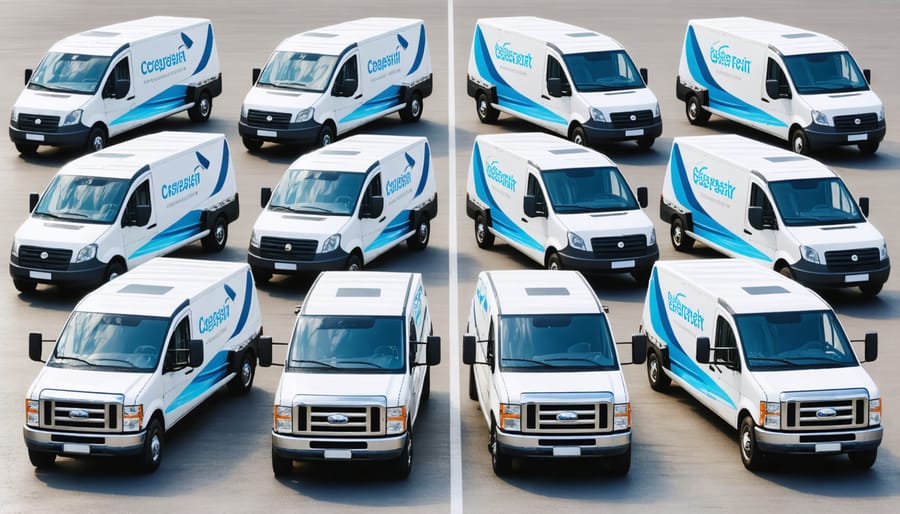
The transition to electric transportation offers substantial cost savings across multiple operational areas. Fleet operators typically see a 40-50% reduction in maintenance costs compared to traditional vehicles, primarily due to fewer moving parts and simplified servicing requirements. Electric vehicles (EVs) eliminate the need for oil changes, transmission repairs, and frequent brake maintenance, significantly reducing downtime and service expenses.
Fuel cost savings represent another major advantage, with electricity costs per kilometer averaging 60-70% lower than conventional fuel expenses. For businesses operating large fleets, this translates to potential annual savings of €15,000-20,000 per vehicle. When combined with smart charging solutions and off-peak electricity rates, organizations can further optimize their operating costs.
Government incentives and tax benefits enhance the financial appeal of electrification. Many European countries offer purchase subsidies ranging from €3,000 to €9,000 per vehicle, alongside reduced registration fees and lower road taxes. Companies can also benefit from accelerated depreciation allowances and reduced company car tax rates for electric vehicles.
The total cost of ownership (TCO) analysis typically shows break-even points within 3-4 years for commercial vehicles, with significant cost advantages thereafter. Organizations implementing comprehensive electrification programs report operational cost reductions of 25-35% over five years, demonstrating the strong business case for electric transportation adoption.
ESG Compliance and Corporate Sustainability
Transport electrification plays a pivotal role in meeting ESG (Environmental, Social, and Governance) compliance requirements and advancing sustainable business practices. Organizations implementing electric vehicle fleets and charging infrastructure demonstrate tangible commitment to environmental stewardship, significantly reducing their carbon footprint and air pollution impacts.
From a compliance perspective, electrification helps businesses align with increasingly stringent emissions regulations and climate action frameworks. Companies can better position themselves to meet sustainability reporting requirements, such as the Task Force on Climate-related Financial Disclosures (TCFD) and Global Reporting Initiative (GRI) standards.
The transition to electric transportation also resonates strongly with stakeholders, including investors, customers, and employees who prioritize environmental responsibility. Studies show that companies with robust sustainability initiatives often enjoy enhanced brand reputation, increased customer loyalty, and improved employee satisfaction.
Moreover, transport electrification supports corporate sustainability goals through:
– Measurable reduction in greenhouse gas emissions
– Enhanced energy efficiency and reduced operational costs
– Improved air quality in operational areas
– Alignment with circular economy principles
– Demonstration of innovation leadership
Organizations that embrace transport electrification position themselves favorably for ESG-focused investment opportunities while future-proofing their operations against evolving regulatory requirements and market expectations.
Infrastructure Requirements and Solutions
Solar Integration for EV Charging
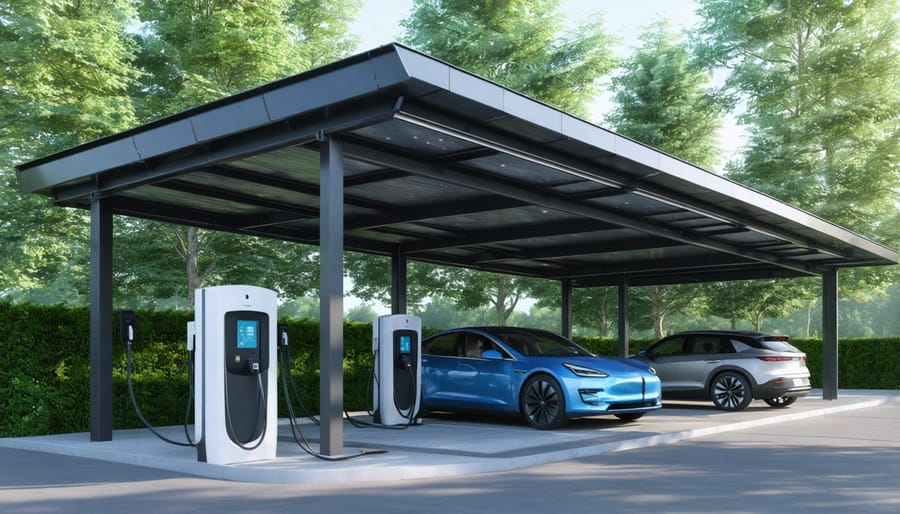
The integration of solar power with EV charging infrastructure represents a significant opportunity for businesses and organizations to enhance their sustainability initiatives while optimizing operational costs. By combining solar energy systems with EV charging stations, facilities can achieve substantial carbon footprint reduction while creating energy independence.
Modern solar-integrated EV charging solutions typically incorporate smart energy management systems that optimize power distribution between solar generation, grid supply, and vehicle charging demands. These systems can prioritize solar-generated electricity during peak sunlight hours, reducing reliance on grid power and associated costs.
For example, the Melbourne Commercial Center implemented a 150kW solar array combined with ten EV charging stations, resulting in a 40% reduction in charging costs and an ROI period of just 4.5 years. The system’s smart load management ensures optimal energy distribution, particularly during high-demand periods.
Key considerations for implementation include:
– Solar system sizing based on charging demand patterns
– Smart inverter technology for seamless grid integration
– Energy storage solutions for extended charging capabilities
– Real-time monitoring and management systems
– Scalability options for future expansion
The financial benefits are compelling, with businesses reporting average energy cost savings of 30-50% compared to grid-only charging solutions. Additionally, government incentives and renewable energy certificates can significantly offset initial installation costs, making solar-integrated EV charging an increasingly attractive investment for forward-thinking organizations.
When properly designed, these integrated systems can provide reliable charging capabilities while maximizing the use of clean, renewable energy, supporting both environmental goals and operational efficiency.
Smart Grid Technologies and Load Management
Smart grid technologies and advanced load management systems are revolutionizing how we handle the increasing demand from electric vehicle charging. These intelligent systems enable real-time monitoring and dynamic load balancing, ensuring optimal power distribution while maintaining grid stability.
Modern smart charging solutions incorporate demand response capabilities, allowing charging stations to automatically adjust their power output based on grid conditions. This intelligent management helps prevent peak demand surges and reduces strain on the electrical infrastructure. For example, when grid demand is high, the system can temporarily reduce charging speeds across multiple vehicles, ensuring continuous charging while avoiding overload situations.
Load management strategies typically include:
– Time-of-use pricing incentives that encourage off-peak charging
– Smart scheduling algorithms that distribute charging loads throughout the day
– Vehicle-to-grid (V2G) integration that enables bidirectional power flow
– Automated power quality monitoring and correction
– Dynamic load balancing across multiple charging points
These technologies are particularly valuable for fleet operators and businesses with multiple charging stations. By implementing smart charging solutions, organizations can reduce their peak demand charges while ensuring all vehicles are ready when needed. The system can prioritize charging based on vehicle departure times, battery levels, and energy costs.
Real-world implementations have shown that smart grid technologies can reduce charging costs by up to 30% while increasing the number of vehicles that can be charged simultaneously. This optimization not only improves operational efficiency but also helps defer costly grid infrastructure upgrades, making electrification more economically viable for businesses and communities.
Implementation Strategies
Fleet Assessment and Planning
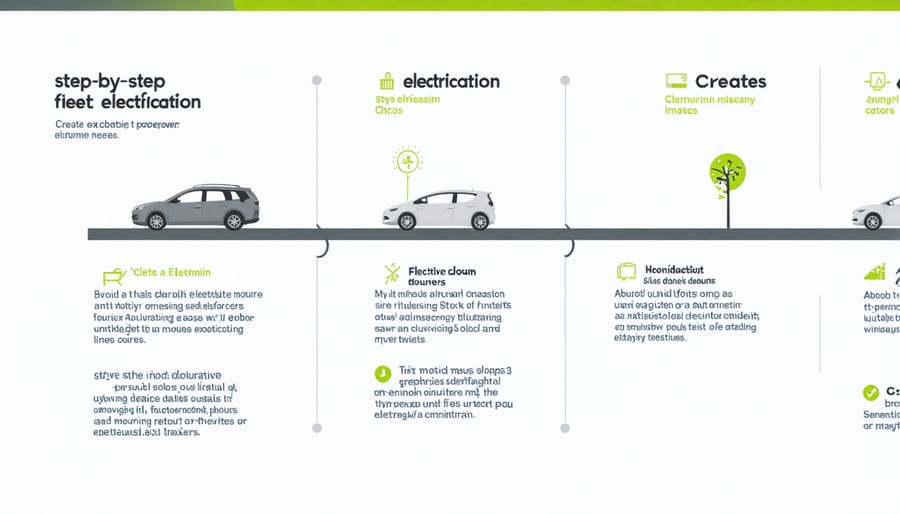
A successful transition to electric transportation begins with a comprehensive assessment of your current fleet operations and a well-structured implementation timeline. Start by analyzing your existing vehicles’ usage patterns, including daily mileage, route predictability, and load requirements. This data-driven approach enables organizations to identify which vehicles are prime candidates for immediate electrification and which may require a phased transition.
Consider factors such as vehicle age, replacement cycles, and operational demands when developing your electrification roadmap. Priority should be given to vehicles that operate in fixed routes, return to base daily, and have predictable energy consumption patterns. This strategic approach to environmental impact management ensures a smooth transition while maintaining operational efficiency.
Create a detailed timeline that includes key milestones such as infrastructure installation, driver training, and vehicle procurement. Factor in lead times for vehicle delivery, charging infrastructure deployment, and staff training programs. Consider pilot programs for initial deployment, allowing your organization to gain valuable experience and refine processes before full-scale implementation.
Financial planning should account for total cost of ownership, including purchase prices, operational costs, maintenance requirements, and available incentives. This comprehensive assessment helps build a business case that demonstrates both environmental benefits and long-term cost advantages of fleet electrification.
Funding and Incentive Programs
The transition to electric transportation is supported by numerous financial incentives and funding programs across various governmental levels. Organizations can access federal grants through programs like the Clean Cities Initiative and the Diesel Emissions Reduction Act (DERA), which offer substantial funding for fleet electrification projects. State-level incentives often include tax credits, rebates, and grants specifically designed for EV infrastructure development and vehicle purchases.
Many utility companies provide specialized rate structures and incentives for commercial EV charging installations, including demand charge reductions and infrastructure rebates. The Alternative Fuel Infrastructure Tax Credit offers up to 30% of the cost for installing charging stations, making the initial investment more manageable for businesses.
For municipalities and public entities, programs like the Congestion Mitigation and Air Quality Improvement (CMAQ) Program provide funding for projects that reduce transportation-related emissions. Private businesses can leverage various financing options, including green loans and lease-to-own programs specifically designed for EV fleet conversion.
Regional clean transportation partnerships often provide matching funds and technical assistance for electrification projects. Additionally, carbon credit programs and environmental sustainability funds offer opportunities for organizations to monetize their emissions reductions through EV adoption. These combined funding sources can significantly reduce the upfront costs of electrification while accelerating the return on investment.
Employee Training and Change Management
The transition to electric transportation requires a comprehensive workforce development strategy to ensure successful implementation. Organizations must invest in training programs that cover technical skills, safety protocols, and new operational procedures specific to electric vehicles and charging infrastructure.
Key training areas include maintenance and repair of electric powertrains, battery management systems, charging equipment operation, and emergency response procedures. Technicians need to understand high-voltage systems, diagnostic tools, and specialized safety requirements for working with electric vehicles.
Change management plays a crucial role in facilitating smooth adoption. Organizations should establish clear communication channels to address employee concerns and resistance to new technology. This includes regular updates on implementation progress, benefits of electrification, and how it affects daily operations.
A phased approach to training helps manage the learning curve effectively. Begin with awareness sessions for all employees, followed by specialized technical training for maintenance staff and operators. Consider partnering with manufacturers and training institutes to access certified programs and up-to-date resources.
Documentation of standard operating procedures, safety guidelines, and maintenance protocols should be readily available. Regular refresher courses and certification updates ensure the workforce maintains competency as technology evolves.
Success stories from early adopters demonstrate that well-trained employees become advocates for electrification, helping accelerate adoption across the organization and improving overall operational efficiency.
The transition to electric transportation represents a critical opportunity for businesses to lead in sustainability while capturing significant economic benefits. To successfully navigate this transformation, organizations must take decisive action through a structured approach.
First, businesses should conduct a comprehensive fleet assessment to identify which vehicles and operations are prime candidates for electrification. This evaluation should consider current usage patterns, charging infrastructure requirements, and potential cost savings. Based on this analysis, develop a phased implementation plan that prioritizes high-impact, low-complexity conversions while building toward complete fleet electrification.
Infrastructure development is crucial for success. Organizations should partner with experienced providers to design and install charging solutions that meet both current needs and future growth. Consider smart charging systems that can optimize energy usage and reduce operational costs through intelligent load management and off-peak charging.
Employee engagement and training are essential components of the transition. Implement comprehensive training programs covering vehicle operation, charging protocols, and maintenance procedures. Create clear policies and guidelines for vehicle usage and charging to ensure efficient fleet management and maximize the benefits of electrification.
To maintain momentum and demonstrate success, establish clear metrics for tracking progress. Monitor key performance indicators such as operational costs, carbon emissions reduction, and vehicle utilization rates. Use this data to refine strategies and make informed decisions about future investments.
Financial planning is critical for long-term success. Take advantage of available government incentives, grants, and tax benefits while developing sustainable funding mechanisms for ongoing fleet expansion and infrastructure development. Consider innovative financing options such as lease arrangements or power purchase agreements to manage upfront costs.
The path forward requires commitment and collaboration across all organizational levels. By taking these strategic steps and maintaining a long-term perspective, businesses can successfully transition to electric transportation while realizing substantial environmental and economic benefits. The time to act is now, as early adopters will gain competitive advantages in an increasingly electrified future.