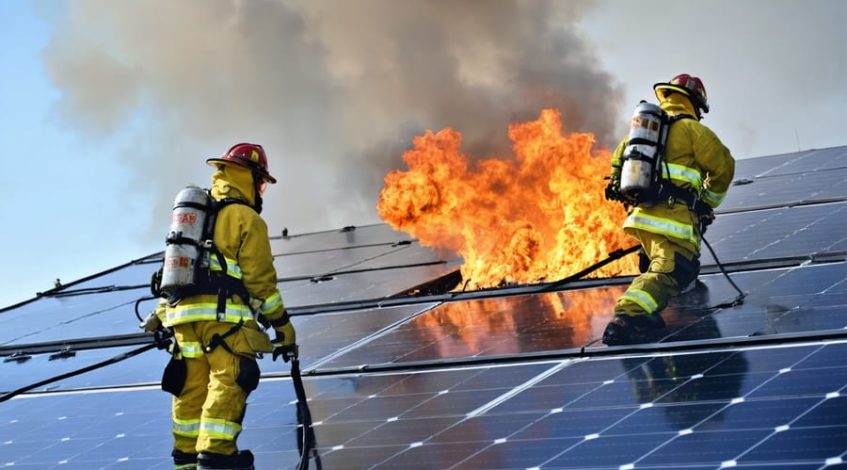
Solar power systems present unique emergency response challenges that require specialized firefighting protocols and safety measures. First responders must navigate energized components, potential electrical hazards, and structural considerations while protecting both personnel and property during emergency situations. The rapid expansion of solar installations across residential, commercial, and industrial facilities demands a comprehensive understanding of system-specific risks and standardized response procedures.
Modern firefighting tactics must evolve to address the distinct characteristics of photovoltaic systems, which can remain energized even after power disconnection. Emergency response teams require specialized training in solar-specific hazards, including arc flash dangers, toxic material exposure, and structural loading considerations. This knowledge becomes particularly critical during extreme weather events, structure fires, or other emergency scenarios where standard protocols may need modification.
This article examines essential safety protocols, emergency response procedures, and risk mitigation strategies specifically designed for incidents involving solar power installations. By understanding these critical elements, emergency response professionals can effectively protect lives while preserving valuable renewable energy infrastructure.
Understanding Solar System Hazards in Emergency Situations
Electrical Hazards and Live Components
Solar power systems present unique electrical hazards during emergency situations, primarily due to their ability to generate electricity even when the main power grid is disconnected. During daylight hours, photovoltaic panels continue producing DC voltage, which can reach up to 600V in commercial installations. This poses significant risks to firefighters and emergency responders.
First responders must treat all solar components as energized, regardless of time of day or weather conditions. The DC power generated cannot be completely shut down as long as light reaches the panels. Particular attention should be paid to DC conductors, which run between panels and inverters, as damaged cables can create shock hazards.
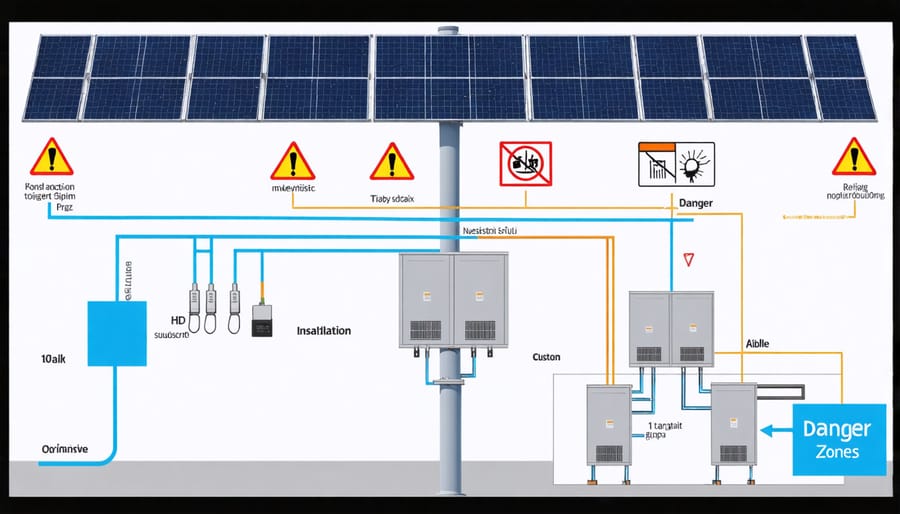
Critical danger zones include junction boxes, combiner boxes, and inverter locations. Even minimal ambient light can produce enough voltage to cause injury. Emergency personnel should maintain safe distances from these components and use appropriate insulated tools when necessary. Water-based firefighting operations near solar installations require special precautions due to electrical conductivity risks.
Proper identification of rapid shutdown systems and disconnection points is essential for minimizing electrical hazards while maintaining effective emergency response procedures.
Structural Considerations and Access Issues
Solar panels and their mounting systems present unique structural challenges during emergency response situations. The additional weight of these installations can affect roof integrity, particularly during fire incidents where structural materials may be compromised. Typical residential solar arrays add 3-6 pounds per square foot to roof loads, while commercial installations can contribute significantly more weight.
Access issues are particularly critical for firefighters. Roof-mounted arrays reduce available space for ventilation operations and create tripping hazards during emergency navigation. The panels themselves can become slippery when wet, increasing risk during response activities. Additionally, the space between panels and roofing materials (typically 3-6 inches) can allow fire to spread undetected beneath the array.
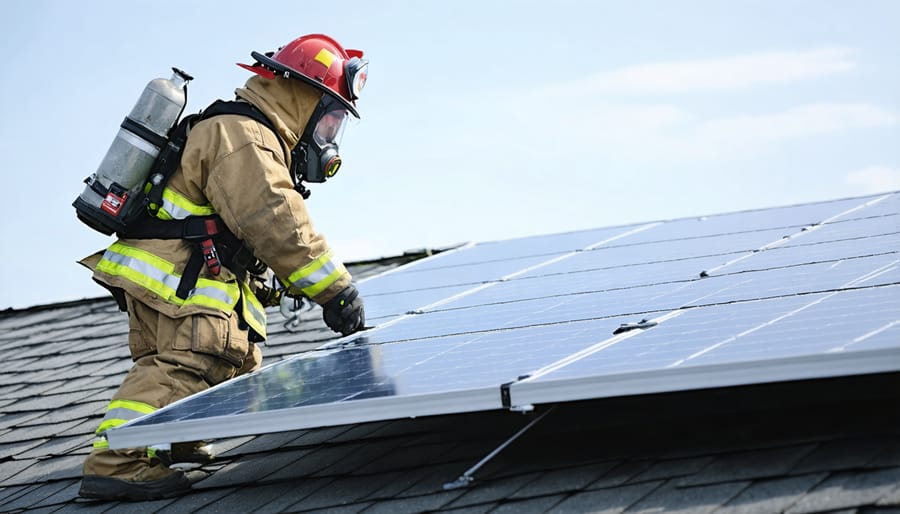
Emergency responders must also consider the structural impact of water application during firefighting operations. The added weight of water on a roof already supporting solar equipment can potentially exceed design load limits. Standard operating procedures should include rapid assessment of structural integrity and identification of safe access paths. Maintaining clear access zones around solar installations, as specified in building codes, is essential for effective emergency response while ensuring responder safety.
Essential Safety Protocols for Emergency Response
Initial Assessment and System Identification
Upon arrival at a solar-equipped facility, emergency responders must conduct a rapid but thorough assessment to identify system components and potential hazards. The first step involves locating the main system components, including solar panels, inverters, and electrical disconnects. These are typically indicated on facility diagrams or through visible signage.
Responders should immediately look for indicators of system type – whether roof-mounted, ground-mounted, or building-integrated photovoltaic (BIPV) systems. Each configuration presents unique challenges and requires specific approach strategies. Key identifiers include visible arrays, conduit runs, and electrical equipment labeled with solar-specific markings.
Critical assessment points include:
– Presence of rapid shutdown systems
– Location of DC disconnects
– Battery storage systems
– System capacity indicators
– Weather conditions affecting system operation
– Signs of damage or system malfunction
Emergency personnel should establish a safe perimeter based on system size and voltage levels. During daylight hours, solar panels continue generating electricity even when disconnected from the grid, requiring particular attention to electrical hazards.
Documentation review is essential, including referring to site plans and emergency response diagrams when available. These resources provide valuable information about system layout, specifications, and shutdown procedures. Maintaining clear communication with facility personnel who are familiar with the system can significantly enhance response effectiveness and safety outcomes.
Shutdown Procedures and Safety Measures
In emergency situations involving solar power systems, following proper system shutdown procedures is crucial for firefighter safety. The primary steps include:
1. Contact the facility manager or solar system operator immediately to obtain system documentation and layout plans.
2. Locate and access the main AC disconnect switch, typically positioned near the electrical service panel or meter.
3. Turn off the AC disconnect switch to isolate the inverter from the grid.
4. Identify and switch off the DC disconnect switches located near the inverter or solar array.
5. Verify complete shutdown using appropriate voltage testing equipment.
Remember that solar panels continue generating electricity when exposed to light, even after system shutdown. Maintain these essential safety measures:
– Treat all wiring and components as energized
– Maintain safe distances from solar arrays
– Use appropriate PPE, including electrical safety gloves
– Avoid breaking or piercing solar panels
– Clear the area of unnecessary personnel
– Mark shutdown points with emergency response tags
For buildings with battery storage systems, additional precautions include:
– Identify battery location and type
– Use appropriate fire suppression methods
– Monitor for potential thermal runaway
– Establish proper ventilation
– Follow manufacturer-specific shutdown protocols
Document all shutdown actions and communicate status to incident command.
Communication Systems Integration
Modern solar power installations must effectively integrate with emergency communications systems to ensure seamless coordination during crisis situations. This integration typically involves multiple components, including rapid shutdown mechanisms that can be remotely activated by first responders, automated alert systems that notify emergency services of system malfunctions, and dedicated communication channels for real-time monitoring.
Key integration features include radio frequency identification (RFID) markers that help emergency personnel quickly locate critical system components, and smart monitoring systems that provide instant status updates to emergency dispatch centers. These systems must maintain functionality even during power outages, often utilizing backup power sources and redundant communication pathways.
Many jurisdictions now require solar installations to incorporate specific communication protocols that align with local emergency response frameworks. This includes standardized signage and labeling systems, emergency contact information displays, and integration with building management systems that can provide critical data to first responders.
For optimal emergency response, facility managers should ensure their solar installations feature compatible communication interfaces that can seamlessly connect with local emergency services’ equipment. Regular testing and updates of these integrated systems help maintain reliable emergency communications and enhance overall safety protocols during critical situations.
Modern Equipment and Technology Solutions
Advanced Safety Equipment
Modern firefighting operations involving solar power systems require specialized equipment designed for electrical hazards and unique structural challenges. Personal Protective Equipment (PPE) must include Class 2 voltage-rated gloves, insulated tools, and non-conductive extension poles for emergency disconnect procedures. These items are essential when handling potentially energized components during daylight hours.
Thermal imaging cameras have become indispensable tools for emergency responders, allowing them to identify hot spots and monitor system temperatures safely from a distance. These devices help teams locate critical components such as inverters and disconnect switches while maintaining a safe working distance.
Multi-gas detectors equipped with specialized sensors for detecting toxic gases from burning photovoltaic materials are crucial for protecting first responders. These devices can alert personnel to the presence of harmful substances released during solar panel fires, such as silicon tetrachloride and cadmium compounds.
Emergency response teams should also maintain specialized arc-fault detection equipment and voltage testing devices rated for DC current specific to solar installations. Portable grounding equipment, specifically designed for PV systems, enables safer handling of compromised arrays.
Communication equipment must be intrinsically safe and capable of functioning in high-electromagnetic environments often present around damaged solar installations. Modern radio systems with specialized shielding help maintain clear communication channels during emergency operations.
Monitoring and Alert Systems
Modern solar power installations require sophisticated monitoring and alert systems to ensure both operational efficiency and emergency response readiness. These systems typically integrate multiple sensors that continuously track system performance, electrical output, and potential hazards. Real-time monitoring solutions can detect abnormal conditions such as excessive heat, electrical surges, or system malfunctions that might indicate fire risks or other safety concerns.
Advanced monitoring platforms utilize automated notification systems that immediately alert facility managers, emergency responders, and relevant personnel when predefined safety thresholds are exceeded. These alerts can be delivered through multiple channels, including SMS messages, email notifications, and dedicated emergency response applications.
Many contemporary solar installations incorporate smart monitoring systems that provide detailed system mapping and component-level diagnostics. This information proves invaluable during emergency situations, allowing first responders to quickly identify the location and nature of potential hazards. Remote shutdown capabilities, integrated with these monitoring systems, enable authorized personnel to deactivate specific system components or the entire installation from a safe distance.
Building management systems (BMS) can be integrated with solar monitoring platforms to provide a comprehensive view of facility operations. This integration enables coordinated emergency responses and helps maintain building safety protocols. Regular testing and maintenance of these monitoring systems ensure their reliability during critical situations, while periodic updates to alert protocols keep pace with evolving safety standards and emergency response procedures.
Training and Preparedness Requirements
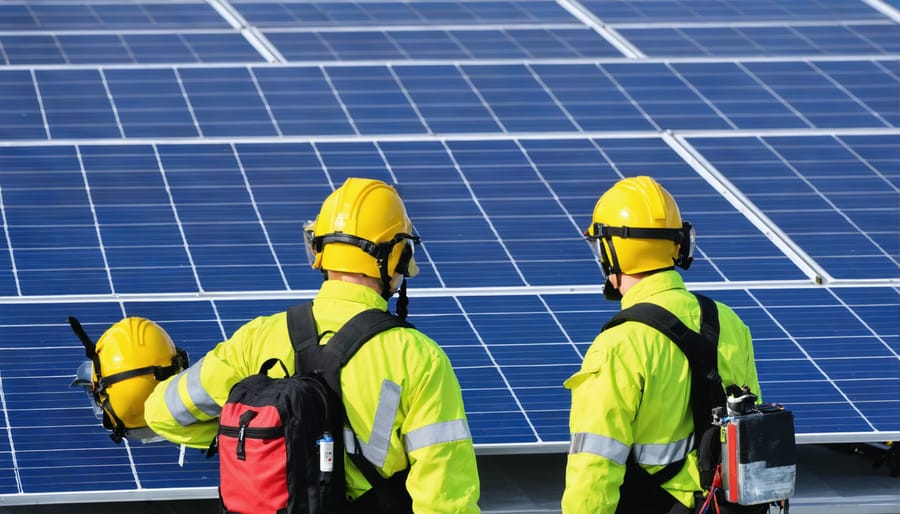
Personnel Training Programs
Emergency responders must undergo comprehensive training programs specifically designed for handling incidents involving solar power systems. These programs typically include both classroom instruction and hands-on practical exercises, ensuring responders can safely and effectively manage emergencies at solar-equipped facilities.
Key components of personnel training include system identification, shutdown procedures, and electrical hazard awareness. Responders learn to recognize different types of solar installations, understand system components, and identify critical disconnection points. The training emphasizes proper use of personal protective equipment (PPE) and specialized tools required for solar-related emergencies.
Training programs also cover scenario-based exercises that simulate various emergency situations, such as structure fires, electrical malfunctions, and weather-related damages. These exercises help responders develop proper assessment techniques and decision-making skills under pressure.
Regular refresher courses are essential to maintain proficiency and stay current with evolving solar technologies. Many departments now incorporate solar safety training into their standard operating procedures and require annual certification updates. This ongoing education ensures emergency personnel remain prepared to handle incidents involving both traditional and emerging solar power configurations.
Training documentation and performance evaluations help track responder competency and identify areas requiring additional focus, maintaining high safety standards across emergency response teams.
Regular Drills and Updates
Regular training exercises and protocol updates are essential components of maintaining readiness for solar power system emergencies. Fire departments should conduct quarterly drills that simulate various emergency scenarios, including electrical fires, structural collapses, and hazardous material releases specific to solar installations.
These drills should incorporate updated techniques and equipment specifically designed for photovoltaic system response. Training sessions must address both rooftop and ground-mounted solar arrays, as each presents unique challenges and requires different tactical approaches.
Departments should establish a systematic review process for emergency response protocols, updating them at least annually to reflect new technologies, installation methods, and industry best practices. This includes maintaining current documentation of local solar installations, system specifications, and shutdown procedures.
Collaboration with solar installation companies and facility managers during these drills enhances mutual understanding and improves coordination during actual emergencies. Mock scenarios should test communication protocols, equipment effectiveness, and response times while identifying potential gaps in training or resources.
Proper documentation of drill outcomes and lessons learned helps refine procedures and informs future training needs. Regular assessment of personal protective equipment (PPE) and specialized tools ensures that responders have access to properly maintained and current safety gear for solar-related emergencies.
The safe management of solar power systems during emergencies requires a coordinated, well-planned approach that prioritizes both responder safety and infrastructure protection. Throughout this discussion, we’ve explored the critical components of emergency response protocols, including system identification, shutdown procedures, and potential hazards unique to solar installations. The implementation of standardized operating procedures, regular training programs, and clear communication channels between facility managers and emergency responders remains paramount for effective incident management.
As solar installations continue to proliferate across commercial and industrial facilities, the importance of maintaining updated emergency response plans cannot be overstated. Facility managers and emergency response teams must stay current with evolving safety protocols and technological advances in solar power systems. By following established guidelines, utilizing proper safety equipment, and maintaining comprehensive documentation, organizations can ensure both personnel safety and system integrity during emergency situations.
The future of solar energy depends not only on technological innovation but also on our ability to respond effectively to emergencies. Through continued collaboration between solar industry professionals, emergency responders, and facility managers, we can maintain the highest standards of safety while supporting the growth of sustainable energy solutions.