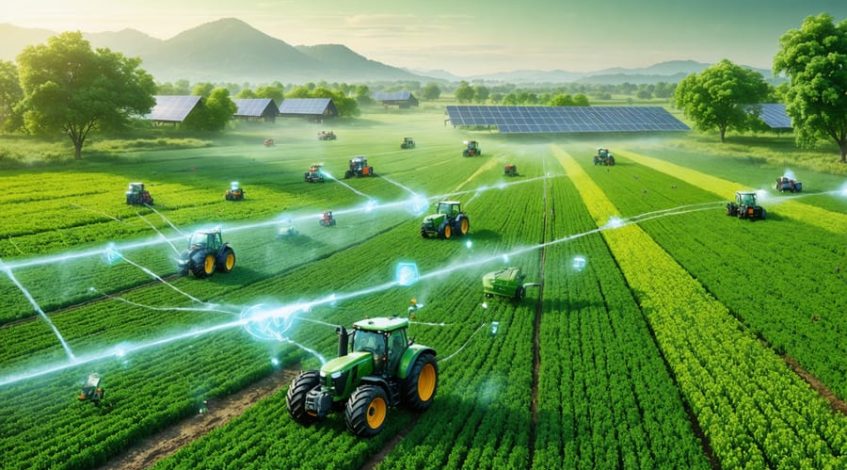
Transforming traditional farming into sustainable agriculture practices drives both environmental stewardship and economic viability. Leading agricultural organizations worldwide have demonstrated remarkable success through precision irrigation systems that reduce water consumption by up to 60%, while integrated pest management strategies minimize chemical inputs by leveraging beneficial insects and crop rotation. Advanced soil management techniques, including cover cropping and no-till farming, sequester carbon while improving yields by 20-35% compared to conventional methods. These proven approaches collectively reduce operational costs, enhance crop resilience, and generate measurable environmental benefits.
Regenerative grazing, agroforestry systems, and aquaponics exemplify how modern sustainable agriculture adapts ancient wisdom to today’s challenges. These methods consistently deliver 40-70% reductions in greenhouse gas emissions while maintaining or increasing production capacity. Forward-thinking agricultural businesses implementing these practices report stronger profit margins through reduced input costs, premium market prices, and improved crop quality. This systematic transformation of farming practices represents a crucial component in global decarbonization efforts while ensuring food security for future generations.
Precision Agriculture Technologies Driving Carbon Reduction
GPS-Guided Systems and IoT Sensors
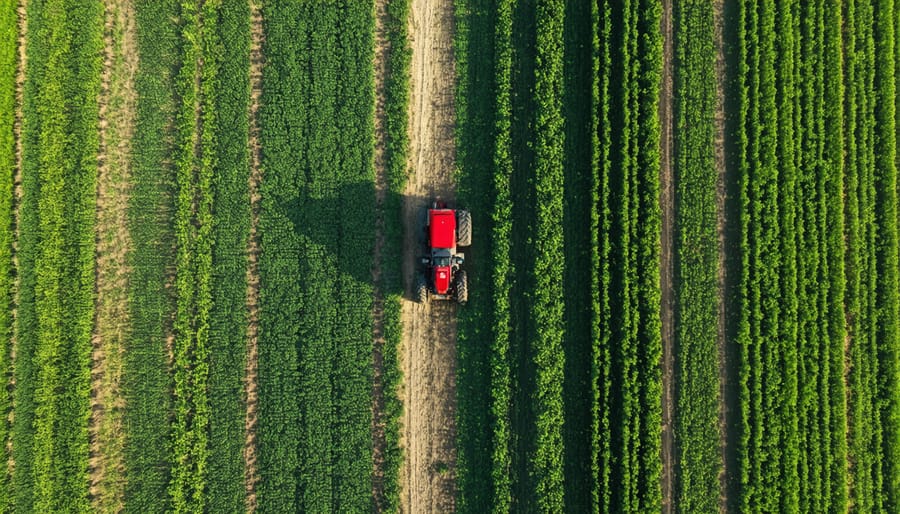
GPS-guided systems and IoT sensors represent a cornerstone of modern precision agriculture systems, delivering significant environmental and economic benefits through optimized resource management. These technologies enable farmers to create detailed field maps that track soil conditions, crop health, and equipment performance in real-time. By utilizing GPS-guided tractors and automated machinery, farmers can reduce fuel consumption by up to 40% through precise navigation and elimination of overlapping passes.
IoT sensors strategically placed throughout fields monitor crucial parameters such as soil moisture, nutrient levels, and weather conditions. This data-driven approach allows for targeted application of water, fertilizers, and pesticides exactly where and when needed, significantly reducing waste and environmental impact. Studies show that precision agriculture technologies can decrease water usage by 30% and fertilizer application by 20% while maintaining or improving crop yields.
The integration of these smart technologies also enables predictive maintenance of farming equipment, reducing unexpected breakdowns and optimizing fuel efficiency. Real-time monitoring systems alert farmers to potential issues before they become critical, ensuring continuous operation during crucial farming periods and minimizing resource waste through equipment inefficiencies.
AI-Powered Resource Management
Artificial intelligence is revolutionizing resource management in sustainable agriculture through precision farming techniques that significantly reduce waste while optimizing crop yields. Advanced AI algorithms analyze real-time data from soil sensors, weather stations, and satellite imagery to determine exact water and fertilizer requirements for different areas of farmland.
Smart irrigation systems equipped with AI capabilities can reduce water consumption by up to 30% by delivering precise amounts of water based on soil moisture levels, weather forecasts, and crop-specific needs. These systems automatically adjust irrigation schedules and detect leaks, ensuring water is used only where and when necessary.
AI-powered fertilizer management uses machine learning to create detailed soil nutrient maps, enabling farmers to apply fertilizers with unprecedented precision. This targeted approach has shown to reduce fertilizer use by 15-20% while maintaining or improving crop yields. Drone-mounted sensors and AI analysis help create detailed field maps that identify areas requiring specific nutrient attention.
Real-world implementations have demonstrated significant cost savings. For example, large-scale farms using AI-driven resource management systems report annual savings of 20-25% on water and fertilizer costs while maintaining optimal crop health and productivity. These systems also contribute to reduced groundwater pollution and improved soil health through more efficient resource utilization.
Solar-Integrated Farming Solutions
Dual-Use Solar Installations
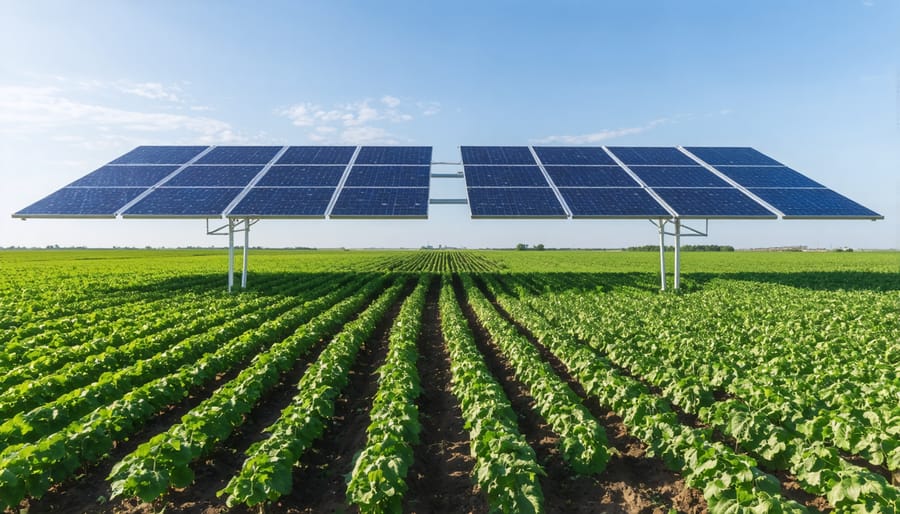
The integration of solar power in farming has evolved beyond traditional single-purpose installations to create innovative dual-use systems that maximize land productivity. These agrivoltaic systems enable farmers to generate clean energy while maintaining crop production on the same plot of land, effectively doubling the land’s utility and economic output.
Modern elevated solar array designs allow sufficient sunlight penetration for crop growth while providing partial shade that can benefit certain plant species. Research has shown that some crops, particularly leafy greens and shade-tolerant vegetables, actually thrive under these conditions, showing increased water efficiency and improved yield quality.
Notable success stories include vineyard operations in France, where solar panels protect grapes from excessive heat while generating power, and Massachusetts farms that combine blueberry cultivation with solar installations. These systems typically maintain 80% of original crop production while generating enough electricity to power farm operations and provide additional revenue through energy sales.
The financial benefits are compelling, with dual-use installations offering farmers two income streams: agricultural products and energy generation. This approach has proven particularly valuable in regions facing climate challenges, where partial shade can help protect crops from extreme heat and reduce irrigation needs by up to 30%.
Solar-Powered Irrigation Systems
Solar-powered irrigation systems represent a transformative approach to agricultural water management, combining renewable energy with efficient farming practices. These systems utilize photovoltaic panels to power water pumps, enabling farmers to irrigate crops without relying on grid electricity or fossil fuels.
A typical solar irrigation setup consists of solar panels, a controller, pumping system, and distribution network. The panels convert sunlight into electricity, which powers pumps that draw water from wells, reservoirs, or other water sources. Modern systems often incorporate smart controllers that optimize water delivery based on soil moisture levels and weather conditions.
The implementation of solar irrigation has shown remarkable results across various agricultural settings. For instance, a 50-acre farm in California reduced its energy costs by 70% while maintaining consistent crop yields after switching to solar irrigation. In developing regions, these systems have enabled year-round farming in areas previously limited to seasonal cultivation.
Key benefits include:
– Reduced operational costs through eliminated electricity bills
– Reliable water supply during peak growing seasons
– Minimal maintenance requirements
– Enhanced crop yields through precise water management
– Zero carbon emissions during operation
The initial investment in solar irrigation systems typically pays for itself within 4-6 years through energy savings. Additionally, many regions offer incentives and subsidies for implementing these sustainable agricultural solutions, making them increasingly accessible to farmers of all scales.
Regenerative Agricultural Practices
No-Till Farming Techniques
No-till farming represents one of the most effective regenerative farming methods available to modern agriculture, offering substantial benefits for both soil health and operational efficiency. This technique eliminates the traditional practice of plowing fields between growing seasons, instead leaving crop residue on the soil surface and planting directly into the undisturbed ground.
The implementation of no-till practices significantly reduces soil erosion by up to 90% compared to conventional tillage, while simultaneously improving soil structure and water retention capacity. Farmers who adopt this method report up to 70% reduction in fuel consumption and substantial decreases in labor costs, making it an economically attractive option for agricultural operations of all sizes.
Key components of successful no-till farming include:
– Specialized planting equipment designed for minimal soil disturbance
– Strategic crop rotation to manage weeds and maintain soil fertility
– Cover cropping during off-seasons to protect and enrich soil
– Precise nutrient management through soil testing and targeted applications
Studies demonstrate that no-till practices can increase soil organic matter by 0.1% to 1% annually, enhancing the soil’s carbon sequestration potential while improving crop resilience to drought and other environmental stressors. This approach aligns perfectly with sustainable agriculture goals, offering both environmental benefits and operational cost savings.
Cover Cropping Strategies
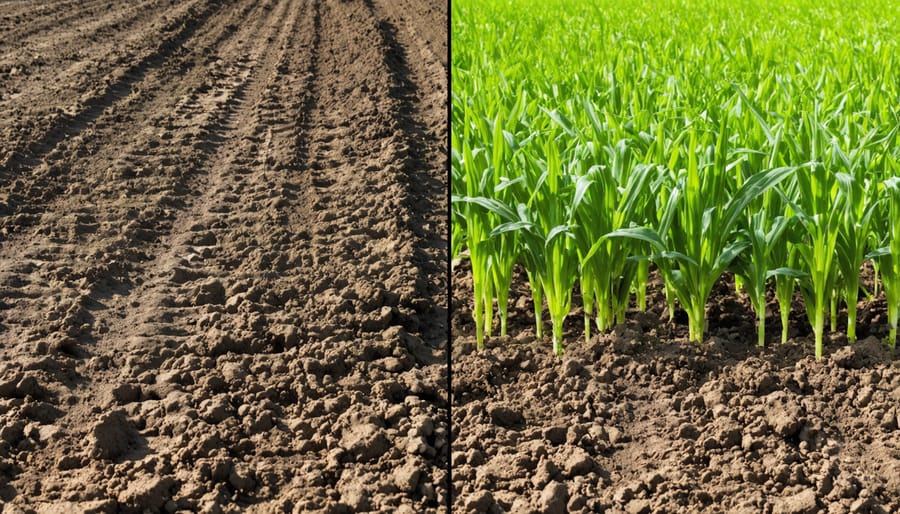
Cover cropping represents a cornerstone of sustainable agriculture, offering multiple benefits for soil health and carbon sequestration. This practice involves planting specific crops during off-seasons to maintain soil productivity and enhance environmental outcomes. Common cover crops include legumes like clover and vetch, which fix nitrogen in the soil, and cereal grasses such as rye and wheat, which provide extensive root systems for soil stabilization.
The strategic implementation of cover crops can sequester between 0.5 to 2 tons of carbon per hectare annually, making it a significant tool in agricultural carbon management. These crops create a continuous living root system that feeds soil microorganisms and builds organic matter, effectively storing carbon underground while improving soil structure.
Farmers implementing cover cropping systems typically follow a rotation schedule that complements their main crop production. For instance, planting winter rye after corn harvest provides soil protection during winter months and contributes additional organic matter when terminated in spring. This approach not only reduces erosion but also minimizes the need for synthetic fertilizers and enhances water retention capacity.
Modern cover cropping strategies often incorporate precision agriculture techniques, using data analytics to optimize planting times and species selection. This integration of technology with traditional agricultural practices ensures maximum benefit while maintaining operational efficiency and cost-effectiveness.
Measuring and Monitoring Carbon Impact
Carbon Accounting Systems
Carbon accounting systems in sustainable agriculture have become essential tools for measuring, tracking, and reducing greenhouse gas emissions across farming operations. These systems utilize advanced sensors, satellite imagery, and artificial intelligence to provide accurate emissions data from various agricultural activities.
Modern carbon accounting platforms integrate multiple data sources, including soil sampling results, fertilizer application records, and fuel consumption metrics. This comprehensive approach enables farmers and agricultural businesses to establish accurate baseline emissions and track progress toward reduction goals.
Field-level monitoring systems employ IoT sensors to measure soil carbon levels, nitrogen emissions, and methane production from livestock. These real-time measurements, combined with weather data and crop growth patterns, provide detailed insights into the carbon footprint of specific farming practices.
Blockchain technology is increasingly being incorporated into agricultural carbon accounting, ensuring data transparency and enabling carbon credit verification. This innovation allows farmers to participate in carbon markets and receive compensation for implementing emission-reducing practices.
Notable examples include systems that track:
– Soil carbon sequestration rates
– Emissions from agricultural machinery
– Impact of different irrigation methods
– Livestock methane emissions
– Effects of various fertilizer applications
These platforms typically generate detailed reports that help farmers identify emission hotspots and optimize their operations. Many systems also provide recommendations for emission reduction strategies, such as precision agriculture techniques or alternative tillage methods, along with projected cost savings and environmental benefits.
Certification and Reporting
Certification and verification play crucial roles in ensuring the credibility and accountability of sustainable agriculture practices. Leading certification programs include USDA Organic, Rainforest Alliance, and Global G.A.P., each establishing specific standards for environmental stewardship, social responsibility, and economic viability.
Organizations pursuing sustainable agriculture certification must maintain detailed records of their farming practices, inputs, and outputs. This includes documentation of soil management techniques, water conservation measures, pest control methods, and biodiversity preservation efforts. Regular third-party audits verify compliance with certification requirements and validate sustainable practices.
Key reporting metrics typically encompass:
– Soil organic matter content and health indicators
– Water usage and efficiency measurements
– Chemical input reduction percentages
– Biodiversity assessments
– Carbon sequestration rates
– Crop yield data
– Energy consumption patterns
– Waste reduction achievements
Many certification programs now incorporate digital monitoring systems and blockchain technology to enhance transparency and traceability throughout the agricultural supply chain. These innovations enable real-time tracking of sustainable practices and provide consumers with verified information about their food sources.
Farmers and agricultural businesses should consider pursuing multiple certifications to demonstrate comprehensive commitment to sustainability and access various market opportunities. However, it’s essential to carefully evaluate certification costs, requirements, and potential returns on investment before embarking on the certification process. Regular training and updates ensure continued compliance with evolving standards and best practices in sustainable agriculture.
Sustainable agriculture stands as a cornerstone in achieving global decarbonization goals, demonstrating remarkable potential for reducing greenhouse gas emissions while ensuring food security. The implementation of sustainable farming practices has shown measurable success in reducing carbon footprints across agricultural operations, with many farms reporting 20-30% decreases in emissions within the first few years of adoption.
Looking ahead, the integration of advanced technologies with traditional sustainable practices promises even greater environmental benefits. Precision agriculture, powered by renewable energy systems, is expected to optimize resource utilization while maintaining high crop yields. Industry projections suggest that widespread adoption of sustainable agriculture could contribute up to 20% of the global carbon reduction targets by 2050.
The economic viability of sustainable agriculture continues to improve, with many operations reporting enhanced profitability through reduced input costs and premium pricing for sustainably produced goods. This financial success, coupled with increasing consumer demand for environmentally responsible products, indicates a strong future for sustainable farming practices.
As governments worldwide strengthen their climate commitments, sustainable agriculture is likely to receive increased support through policy incentives and funding programs. This institutional backing, combined with ongoing technological innovations and market demands, positions sustainable agriculture as a crucial driver in the transition toward a low-carbon economy. The sector’s continued evolution will be essential in meeting both food production needs and environmental sustainability goals in the coming decades.