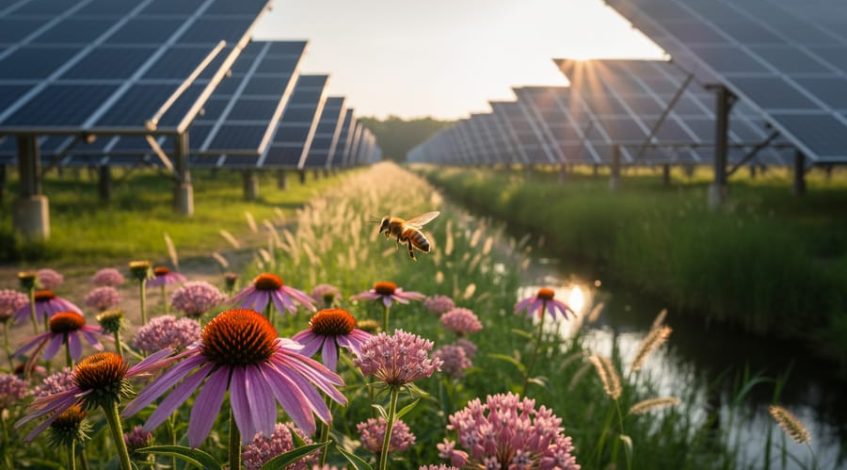
Biological ecosystems within solar installations create measurable value for commercial energy projects through enhanced biodiversity, regulatory compliance, and long-term site stability. Modern solar farms occupy significant land areas—often 5-10 acres per megawatt—presenting unprecedented opportunities to establish native habitats that support pollinator populations, mitigate stormwater runoff, and reduce maintenance costs by up to 40% compared to traditional turf management.
Integrate native plant species beneath and around solar arrays to establish self-sustaining ground cover that eliminates mowing requirements while providing habitat for beneficial insects and ground-nesting birds. Select drought-resistant vegetation with shallow root systems that stabilize soil without interfering with panel foundations, reducing erosion by 70-85% and creating natural corridors for wildlife movement across previously fragmented landscapes.
Design water management features that capture rainfall and create micro-habitats, transforming operational necessities into ecological assets. Strategic placement of bioswales and retention areas addresses stormwater permit requirements while supporting amphibian populations and migratory bird species, turning compliance obligations into competitive advantages for sustainability reporting and environmental certifications.
Implement adaptive management protocols that monitor ecosystem development alongside energy production metrics. Quarterly biological assessments identify opportunities to enhance habitat value, document regulatory compliance, and quantify co-benefits for stakeholder communications. This data-driven approach demonstrates measurable environmental returns alongside financial performance, positioning solar installations as regenerative infrastructure rather than industrial footprints—a critical distinction for projects requiring community support, environmental permits, or green financing arrangements.
The Biological Ecosystem Beneath Your Solar Panels
Understanding the Solar-Wildlife Connection
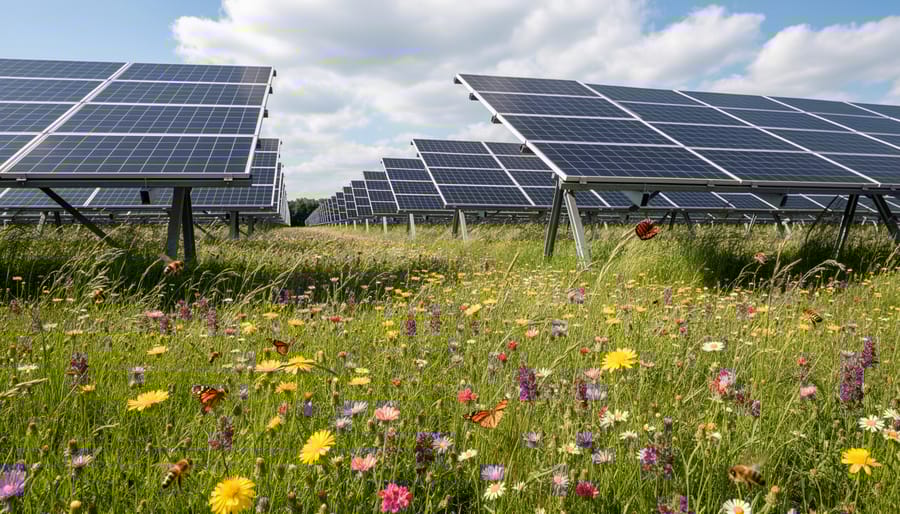
Solar installations fundamentally alter the physical and environmental characteristics of land, creating conditions that can either support or disrupt local wildlife populations. The relationship between solar infrastructure and biological ecosystems depends on several critical factors: site location, installation design, ground cover management, and integration with existing habitat corridors.
Research demonstrates that solar arrays can create microhabitat opportunities when thoughtfully designed. Panels provide shade that reduces ground temperature and moisture evaporation, potentially supporting plant species that struggle in exposed conditions. The spaces between panel rows can function as wildlife corridors if properly vegetated, while the fence perimeters may offer nesting sites for certain bird species. However, poorly planned installations can fragment habitats, disrupt migration patterns, and reduce available foraging areas for ground-dwelling species.
The determining factors for ecological impact include pre-construction site assessment, native vegetation preservation, and ongoing land management practices. Solar facilities built on degraded agricultural land often show improved biodiversity compared to previous conditions, while installations on pristine habitat may cause net ecological harm. Understanding these biological synergy principles enables decision-makers to design projects that deliver renewable energy benefits while maintaining or enhancing ecosystem health. The key lies in recognizing that solar infrastructure exists within, not separate from, the broader natural environment—requiring integrated planning that considers both energy production and ecological stewardship from project inception through operational phases.
The Ground Layer Advantage
Solar installations create distinctive microclimates beneath and between panel arrays that can significantly enhance habitat diversity. The elevated panel design, typically positioned 1-2 meters above ground, maintains essential light penetration while providing protective coverage for shade-tolerant native grasses, wildflowers, and ground vegetation. This structural configuration naturally supports natural ecosystem services that benefit both energy production and local wildlife.
The spacing between panel rows establishes wildlife corridors that accommodate small mammal movement patterns and foraging behaviors. Ground-nesting bird species, including plovers and pipits, particularly benefit from the reduced human foot traffic and predator exposure these protected zones offer. Field studies at commercial solar facilities have documented increased populations of native pollinators and beneficial insects that utilize the vegetation buffer zones.
Strategic vegetation management beneath arrays reduces soil erosion, minimizes dust accumulation on panels, and decreases long-term maintenance costs. This approach transforms what might otherwise be barren ground into productive habitat while maintaining operational efficiency and accessibility for equipment maintenance.
Designing Solar Projects as Holistic Energy Ecosystems
Native Vegetation Integration
Replacing conventional turf grass with native vegetation beneath and around solar arrays represents a strategic opportunity to enhance environmental performance while reducing operational costs. This integrative biology approach transforms underutilized ground cover into productive pollinator habitat, delivering measurable benefits across maintenance budgets and ecological metrics.
Native plant species require significantly less water, fertilizer, and mowing compared to traditional grass lawns, reducing annual maintenance expenditures by 30-50% over the installation’s operational lifetime. Deep-rooted native grasses and wildflowers stabilize soil more effectively than shallow-rooted turf, preventing erosion and protecting infrastructure integrity during severe weather events. This natural erosion control eliminates the need for costly remediation and protects nearby waterways from sediment runoff.
Site-specific native plant selection should prioritize species that remain low-growing to avoid shading panels while providing year-round ground coverage. Regional ecotype seeds sourced from local nurseries demonstrate higher establishment rates and better drought tolerance than non-native alternatives. Successful implementations include the incorporation of nectar-producing flowering species that support declining pollinator populations, creating measurable biodiversity improvements that strengthen sustainability reporting and community relations.
Facility managers implementing native vegetation strategies should conduct baseline soil assessments to determine appropriate species mixes and coordinate planting schedules with local growing seasons. Many jurisdictions now offer incentives or expedited permitting for solar projects incorporating native plantings, recognizing their stormwater management and habitat restoration benefits. This dual-purpose approach transforms solar installations into productive ecological assets while simultaneously reducing long-term operational costs.
Pollinator-Friendly Solar Sites
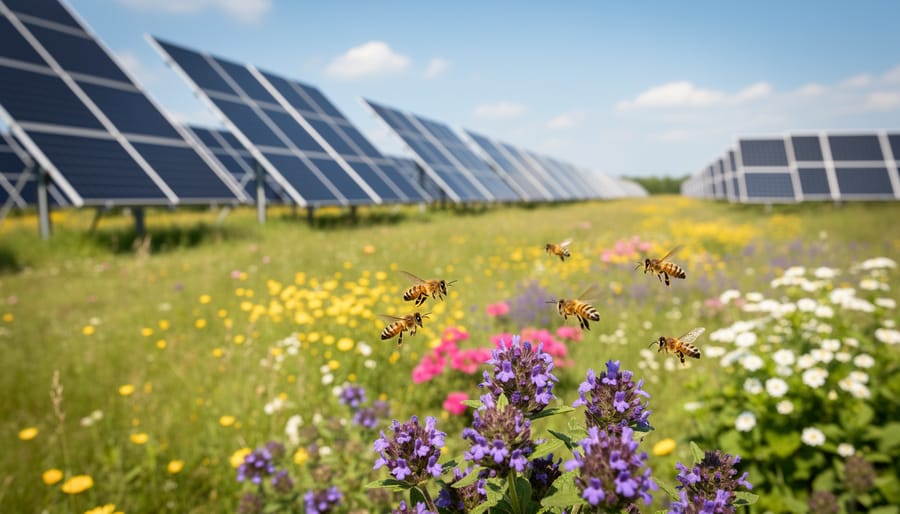
Converting solar installations into pollinator habitats delivers measurable environmental and economic benefits while enhancing regulatory compliance. Strategic vegetation management around solar arrays creates thriving ecosystems for bees, butterflies, and other beneficial insects without compromising energy production.
Plant selection forms the foundation of successful pollinator-friendly sites. Native flowering species adapted to local conditions require minimal maintenance while providing nectar sources throughout the growing season. Low-growing perennials such as clovers, wildflowers, and native grasses prevent shading of solar panels while establishing robust root systems that reduce erosion and site maintenance costs. Staggering bloom times ensures continuous food availability from spring through fall.
Water features significantly increase habitat value. Shallow dishes with pebbles or small constructed wetlands provide essential drinking sources while supporting diverse insect populations. These features require minimal investment and contribute to site biodiversity metrics that strengthen sustainability reporting.
Nesting infrastructure completes the habitat framework. Undisturbed soil areas, brush piles, and deliberately placed hollow stems accommodate ground-nesting bees and other beneficial insects. Minnesota’s experience demonstrates the business case: pollinator-friendly solar sites reduced annual vegetation management costs by 75 percent while increasing property values and satisfying environmental compliance requirements. This approach transforms mandatory land management into a strategic asset that supports both operational efficiency and corporate sustainability objectives.
Wildlife Corridor Planning
Strategic wildlife corridor planning transforms solar installations from potential barriers into facilitators of ecosystem connectivity. Site layouts should incorporate minimum corridor widths of 30-50 meters between panel arrays, allowing safe passage for deer, foxes, and other medium to large mammals. Advanced modeling techniques now enable developers to identify critical movement pathways before construction begins, using GIS mapping and wildlife tracking data to inform panel placement decisions.
A Minnesota solar facility demonstrates this approach effectively, where developers collaborated with state wildlife agencies to position 15-megawatt arrays around existing migration routes. The result maintained 87% of pre-construction wildlife movement while achieving 94% of maximum theoretical energy production. Perimeter fencing incorporates wildlife-friendly designs with raised bottom rails allowing smaller species passage while protecting equipment.
For decision-makers, this planning delivers measurable advantages: reduced permit delays, enhanced community acceptance, and improved ESG performance metrics. Projects incorporating corridor planning typically experience 30% faster regulatory approval and qualify for additional sustainability certifications that strengthen market positioning. The marginal reduction in panel density—typically 3-8%—is offset by avoided environmental mitigation costs and accelerated project timelines, ultimately supporting both conservation objectives and commercial viability.
Real-World Applications: Case Studies in Solar-Wildlife Synergy
Agricultural Solar: Dual-Use Land Management
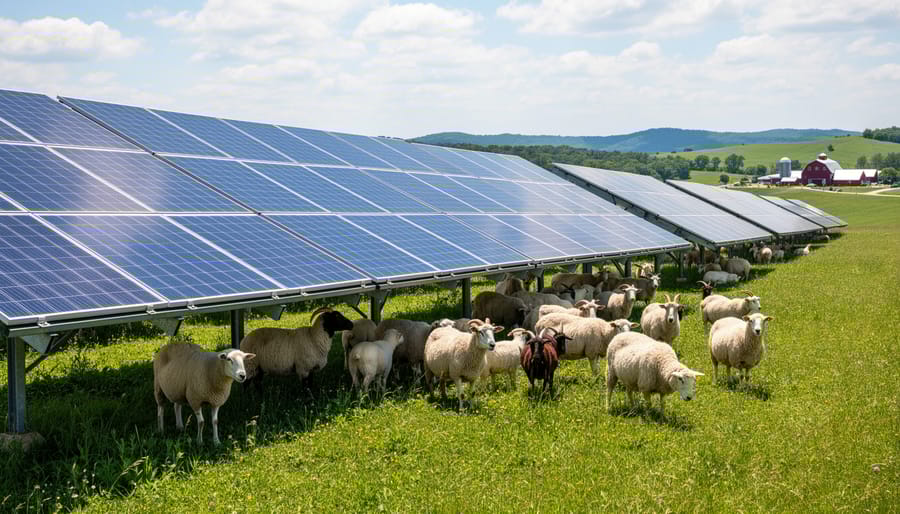
Agrivoltaic systems represent a significant advancement in dual-use land management, demonstrating that solar energy production and agricultural activities can generate mutual benefits. Recent implementations across Europe have validated the economic and ecological advantages of integrating elevated solar panel arrays with farming operations.
A notable project in southern France combines sheep grazing with solar energy production across 32 hectares. The installation generates 18 megawatts of clean electricity while supporting a flock of 800 sheep that maintain vegetation growth beneath and around the panels. This arrangement eliminates mechanical mowing costs while providing farmers with additional revenue streams. The shade from solar panels reduces water evaporation, improving soil moisture retention and creating microclimates that extend the growing season for certain forage species.
In Germany, a pioneering agrivoltaic installation demonstrates successful crop production beneath bifacial solar panels mounted at optimal heights. The facility produces specialty crops including berries and leafy vegetables while generating electricity. Yield data indicates that certain shade-tolerant crops actually perform better under partial solar coverage, with reduced heat stress and water requirements. The project reports a 160 percent land efficiency ratio compared to separate agricultural and solar installations.
The financial model proves compelling for commercial operations. Property owners receive stable long-term income from energy generation while maintaining agricultural productivity. Environmental benefits include enhanced pollinator habitat, reduced fertilizer runoff through improved ground coverage, and decreased carbon footprint from integrated operations. These systems also demonstrate improved regulatory compliance regarding land use requirements and environmental impact assessments, making them attractive options for sustainability-focused organizations seeking measurable ecological outcomes alongside energy independence.
Industrial Solar Sites as Wildlife Refuges
Industrial facilities across Europe are demonstrating that solar installations can serve dual purposes: generating clean energy while creating valuable wildlife habitats on previously barren or underutilized land. These real-world applications provide compelling evidence for the business case behind ecologically-designed solar projects.
A distribution center in the Netherlands transformed 15 hectares of compacted soil surrounding its facility into a productive ecosystem beneath raised solar arrays. The site now supports a thriving population of ground-nesting birds, including skylarks and meadow pipits, while native wildflower species have colonized the area. The facility reports a 40% reduction in grounds maintenance costs while meeting corporate sustainability targets that strengthened its position with environmentally-conscious retail partners.
In Germany, a manufacturing plant integrated pollinator-friendly vegetation into its 8-megawatt ground-mounted solar installation. The project converted unused perimeter land into habitat supporting over 60 native plant species and numerous bee populations. This approach delivered measurable benefits: the company qualified for regional environmental subsidies that offset 12% of installation costs and achieved compliance with upcoming EU biodiversity requirements ahead of schedule.
A logistics facility in Denmark designed its solar array with specific wildlife corridors and nesting structures for local bird species. Within two years, biodiversity surveys documented a 300% increase in native species presence compared to pre-installation conditions. The facility leveraged this outcome in sustainability reporting, contributing to improved ESG ratings that reduced capital costs for subsequent expansion projects.
These examples demonstrate that industrial solar sites can generate financial returns while supporting conservation objectives. The key success factors include proper site assessment, collaboration with ecological consultants during design phases, and selecting appropriate vegetation management strategies that balance energy production with habitat creation.
The Business Case for Ecosystem-Integrated Solar
Cost Savings Through Reduced Maintenance
Native plant ecosystems integrated into solar installations deliver substantial maintenance cost reductions compared to conventional turf grass management. Traditional landscaping around solar arrays typically requires weekly mowing, regular irrigation, fertilization, and herbicide applications, generating ongoing operational expenses. In contrast, established native plantings require minimal intervention after initial establishment, reducing maintenance costs by 60-75% annually.
A commercial solar facility in Victoria documented savings of $12,000 annually per hectare after transitioning from turf to native grasses and wildflowers. The site eliminated mowing requirements, reduced irrigation by 80%, and completely removed fertilizer and pesticide applications. The investment in native ecosystem conversion achieved payback within 18 months through reduced labor and input costs.
Government facilities implementing these smart integration strategies report additional benefits including lower equipment depreciation and reduced fuel consumption. A Queensland municipal solar farm realized a five-year ROI improvement of 8.3% through biological ecosystem implementation. These cost reductions compound over the 25-30 year operational lifespan of solar installations, representing significant long-term value while simultaneously supporting biodiversity objectives and regulatory compliance requirements.
Regulatory Advantages and Incentives
Solar installations that integrate biological ecosystems often qualify for expedited regulatory approval and financial incentives beyond standard renewable energy benefits. Environmental compliance advantages represent a significant value proposition for facility managers navigating complex permitting landscapes. Projects demonstrating measurable biodiversity benefits typically experience faster environmental impact assessment approvals, as regulators increasingly prioritize developments that contribute positively to local ecosystems rather than merely minimizing harm.
Several jurisdictions now offer enhanced tax credits and grants for solar projects incorporating pollinator habitats, native vegetation corridors, or stormwater management systems. These incentives can reduce total project costs by 15-25% beyond standard solar investment tax credits. The U.S. Department of Agriculture’s Conservation Reserve Program, for example, provides additional payments to landowners who establish pollinator-friendly solar installations on agricultural land.
Ecosystem-integrated projects also benefit from streamlined permitting when they align with regional conservation goals. Facilities that document wildlife habitat improvements through third-party certification programs like the CLEAR certification often receive priority processing and reduced regulatory oversight. This translates to shorter project timelines and lower administrative costs. Government officials particularly value these projects for their dual contribution to renewable energy targets and biodiversity conservation mandates, making them attractive candidates for public-private partnerships and municipal procurement preferences.
Corporate Sustainability and Brand Value
Wildlife-friendly solar installations significantly strengthen corporate Environmental, Social, and Governance (ESG) performance metrics, positioning organizations as leaders in sustainable infrastructure development. Companies implementing these dual-purpose systems demonstrate measurable environmental stewardship beyond carbon reduction, addressing biodiversity preservation—a growing priority for investors and stakeholders. This strategic asset approach delivers competitive differentiation in markets where sustainability credentials influence procurement decisions. Organizations with pollinator habitats and native vegetation around solar arrays attract environmentally conscious clients and enhance brand reputation through quantifiable conservation outcomes. Recent studies show businesses with comprehensive ecological integration report improved stakeholder engagement and regulatory relationships. For government facilities and corporate campuses, these installations provide compelling narratives for sustainability reports while meeting increasingly stringent environmental compliance requirements. The dual benefit of energy independence and habitat creation positions forward-thinking organizations as innovation leaders, strengthening market position and attracting top talent aligned with environmental values.
Implementation Guide for Commercial Solar Stakeholders
Pre-Installation Ecosystem Assessment
Before initiating any solar installation project, conducting a comprehensive ecosystem assessment provides critical baseline data that informs design decisions and ensures regulatory compliance. This evaluation identifies sensitive habitat areas, migration corridors, and species of concern that may require special consideration during construction and operation.
Begin by documenting existing wildlife populations through seasonal observation studies, focusing on bird species, pollinators, and small mammals that frequent the proposed site. Camera traps and acoustic monitoring equipment offer cost-effective methods for establishing population baselines. Professional ecological consultants can efficiently complete these assessments while ensuring adherence to environmental protection regulations.
Soil analysis reveals nutrient composition, pH levels, and contamination that directly impact vegetation establishment success. Testing should extend 12 to 18 inches deep, as solar panel foundations affect subsurface conditions. Poor soil quality often requires amendment strategies, but these interventions frequently cost less than managing erosion or vegetation failure after installation.
Native plant community surveys identify species that historically thrived in the area and possess genetic adaptations to local climate conditions. These species require minimal irrigation and maintenance once established, reducing operational expenses significantly. Document seasonal bloom cycles and root structures to optimize placement beneath and around solar arrays. Sites with existing native vegetation often achieve faster ecological integration and demonstrate superior stormwater management compared to previously degraded locations.
Working with Qualified Solar Professionals
Selecting solar professionals with expertise in ecosystem integration requires evaluating specific credentials and experience. Look for installers holding North American Board of Certified Energy Practitioners (NABCEP) certification combined with demonstrated experience in habitat-sensitive projects. Request portfolios showcasing pollinator-friendly installations, wildlife corridor preservation, or native vegetation integration.
The most qualified professionals proactively collaborate with environmental consultants, ecologists, and landscape architects during the design phase. This interdisciplinary approach ensures biological considerations inform site layout, panel spacing, and vegetation management from project inception. Ask potential installers about their partnerships with conservation organizations and track record addressing regulatory requirements under environmental protection laws.
Request case studies demonstrating measurable ecological outcomes alongside energy performance data. Effective installers provide documentation of species surveys conducted pre- and post-installation, vegetation establishment success rates, and stormwater management effectiveness. They should articulate how design choices minimize ground disturbance, preserve existing habitat features, and create enhanced conditions for target species.
Verify that installers maintain relationships with certified wildlife biologists and can facilitate necessary environmental impact assessments. The right partner views ecological integration not as regulatory compliance but as value creation, understanding that habitat-friendly designs reduce long-term maintenance costs while strengthening your organization’s sustainability credentials and community relationships.
The integration of biological ecosystems into solar installations represents more than an environmental consideration—it constitutes a strategic business advantage for organizations committed to sustainable energy transformation. Forward-thinking enterprises that adopt this holistic approach position themselves ahead of evolving regulatory frameworks, benefit from enhanced community relations, and demonstrate authentic environmental stewardship that resonates with increasingly conscious stakeholders.
Organizations implementing wildlife-friendly solar designs consistently report measurable benefits beyond energy generation. These include reduced long-term maintenance costs through natural vegetation management, improved site stability from native plant root systems, and strengthened corporate reputation among investors and customers prioritizing environmental responsibility. The competitive differentiation becomes particularly valuable as municipalities and government agencies increasingly incorporate biodiversity requirements into renewable energy procurement criteria.
The transition to clean energy need not come at the expense of local wildlife. Real-world applications from pollinators thriving beneath solar panels to stormwater management systems supporting aquatic ecosystems prove that technological infrastructure and ecological health can coexist productively. The modest additional investment in thoughtful site design—typically representing less than 2% of total project costs—delivers returns through operational efficiencies, risk mitigation, and alignment with emerging sustainability standards.
As decision-makers evaluate solar energy investments, incorporating biological ecosystem considerations from the planning phase ensures projects deliver comprehensive value. This integrated approach transforms solar installations from simple energy infrastructure into multifunctional assets that generate clean power, support biodiversity, and demonstrate organizational commitment to responsible development. The question for stakeholders is not whether to consider wildlife conservation, but how to maximize the ecological and business benefits this approach provides.