
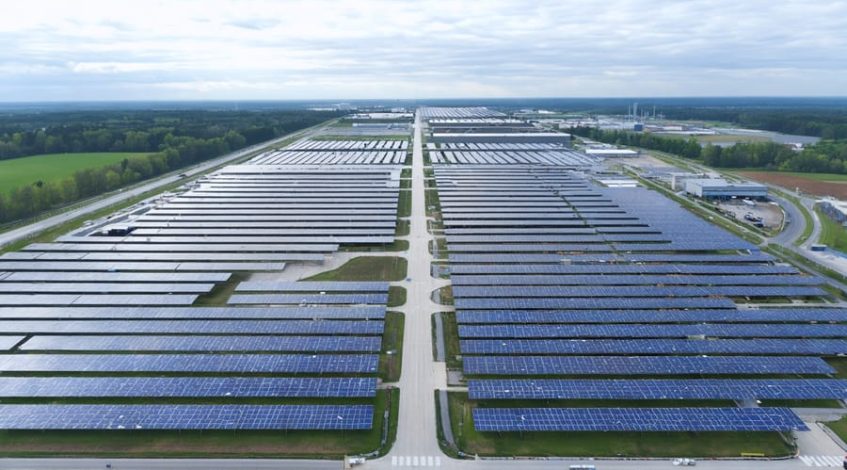
Industrial waste heat recovery represents one of the most significant yet underutilized opportunities for improving energy efficiency in manufacturing and processing facilities. With up to 50% of industrial energy consumption lost as waste heat, modern recovery systems can capture and repurpose this valuable resource, delivering substantial cost savings while reducing environmental impact. Leading manufacturers implementing waste heat recovery systems report energy cost reductions of 20-30%, with payback periods often under two years.
The growing focus on sustainable manufacturing and rising energy costs has sparked renewed interest in waste heat recovery technologies. From low-temperature applications like space heating to high-temperature processes that generate electricity, these systems transform what was once considered an operational burden into a valuable asset. Advanced heat exchangers, organic Rankine cycle systems, and thermal storage solutions now make it possible to capture and utilize waste heat across virtually any industrial process.
For facility managers and business leaders seeking to optimize their energy usage, waste heat recovery presents a proven pathway to enhanced operational efficiency, reduced carbon emissions, and improved bottom-line performance. This strategic approach to energy management aligns with both environmental sustainability goals and financial objectives, making it an increasingly essential consideration for modern industrial operations.
Understanding Industrial Waste Heat Recovery
Common Sources of Industrial Waste Heat
Industrial facilities generate significant waste heat through various processes and equipment. Primary sources include furnaces and kilns in metal processing, which can produce exhaust gases exceeding 1,000°C. Chemical processing plants generate waste heat through reaction vessels, distillation columns, and steam systems, typically ranging from 100-500°C.
Manufacturing operations contribute through cooling systems, compressors, and hydraulic equipment, producing low to medium-grade heat between 30-200°C. Power generation facilities release substantial waste heat through turbine exhausts and cooling towers, while data centers emit consistent low-grade heat from server operations.
Other common sources include boiler exhaust systems, which can waste up to 20% of input energy, and industrial dryers used in textile and paper manufacturing. Heat treating equipment, such as tempering furnaces and quenching baths, also generates significant thermal energy that often goes unused.
These waste heat sources represent valuable opportunities for energy recovery, with potential applications ranging from space heating to power generation, depending on the temperature grade and consistency of the heat source.
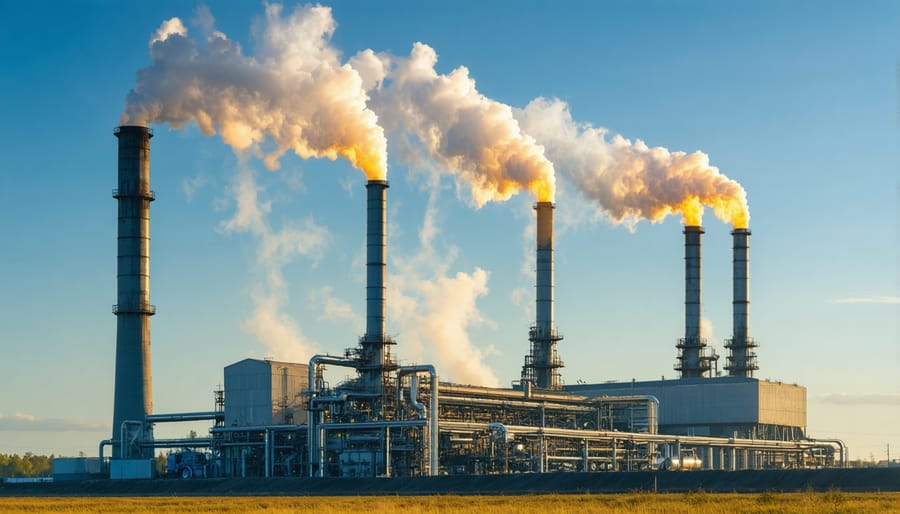
Current Recovery Methods and Their Limitations
Current industrial waste heat recovery methods primarily rely on traditional technologies such as heat exchangers, recuperators, and regenerators. Heat exchangers transfer thermal energy between fluids without mixing them, commonly used in boiler systems and process heating applications. Recuperators, which are gas-to-gas heat exchangers, are frequently employed in high-temperature operations like furnaces and kilns.
However, these conventional methods face significant limitations. Most systems can only recover medium to high-grade heat (above 150°C), leaving substantial low-grade heat unused. Efficiency losses occur due to heat transfer limitations and equipment degradation over time. Material constraints also pose challenges, as heat exchanger materials must withstand extreme temperatures and corrosive conditions.
Space requirements and installation complexity present additional obstacles, particularly in retrofitting existing facilities. The initial capital investment can be substantial, and maintenance costs accumulate due to fouling and scaling issues. Furthermore, traditional systems often lack the flexibility to adapt to varying heat loads and process conditions, reducing their overall effectiveness in dynamic industrial environments.
These limitations highlight the need for more innovative and efficient heat recovery solutions that can capture a broader range of waste heat temperatures while offering greater operational flexibility.
Solar Energy Integration in Heat Recovery Systems
Solar-Thermal Technology Applications
Modern solar thermal technologies offer innovative solutions for industrial waste heat recovery, providing sustainable alternatives to traditional energy systems. These systems utilize concentrated solar power (CSP) collectors to capture and convert solar radiation into usable thermal energy for industrial processes.
The most common applications include solar air heating systems for drying processes, solar water heating for cleaning operations, and concentrated solar collectors for high-temperature industrial applications. These systems can be integrated with existing heat recovery equipment to maximize efficiency and reduce operational costs.
Parabolic trough collectors and solar towers are particularly effective for high-temperature applications, capable of generating temperatures exceeding 400°C. These systems can supplement or replace conventional heating methods in various industrial processes, including metal treatment, chemical processing, and food production.
One notable success story is a manufacturing facility in Spain that implemented a parabolic trough system for their process heating needs, resulting in a 40% reduction in natural gas consumption and an ROI period of just four years. The system provides consistent heat input during daylight hours and integrates seamlessly with the existing heat recovery infrastructure.
When properly designed and implemented, these solar thermal systems can significantly reduce energy costs while providing a reliable source of process heat, making them an attractive option for industries looking to improve their sustainability profile and bottom line.
Hybrid System Design and Implementation
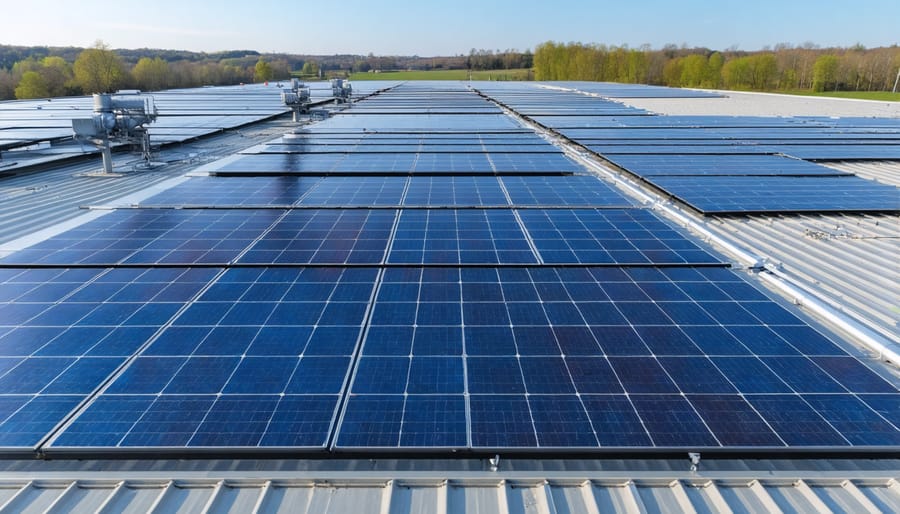
Hybrid system design represents a significant advancement in industrial waste heat recovery, combining traditional heat recovery methods with renewable energy technologies. These integrated systems typically merge waste heat recovery units with solar thermal collectors, creating a more efficient and reliable energy solution. The synergy between these technologies allows facilities to maximize energy recovery while reducing dependency on conventional power sources.
In a typical hybrid configuration, solar thermal collectors supplement the waste heat recovery system during periods of low industrial activity or when waste heat availability is reduced. This arrangement ensures consistent energy output and provides a more stable supply for processes such as space heating, water heating, or power generation. The control systems are designed to automatically switch between or combine both energy sources based on availability and demand.
Implementation of hybrid systems requires careful consideration of several factors, including the facility’s heat load profile, available roof or ground space for solar installations, and existing waste heat recovery infrastructure. Advanced monitoring systems and smart controls are essential components, enabling real-time optimization of energy capture and distribution.
Recent installations have demonstrated impressive results, with some facilities reporting energy savings of up to 40% compared to traditional waste heat recovery systems alone. For example, a food processing plant in Germany implemented a hybrid system that combines waste heat from processing equipment with solar thermal collectors, achieving payback within three years while significantly reducing carbon emissions.
The modular nature of these systems allows for scalability and future expansion, making them particularly attractive for growing industrial operations seeking sustainable energy solutions.
Economic Benefits and ROI Analysis
Cost Savings Potential
Industrial waste heat recovery systems offer substantial financial benefits through multiple cost reduction pathways. Companies implementing these systems typically see a business sustainability ROI within 2-5 years, depending on their operational scale and energy consumption patterns.
The primary cost savings come from reduced energy consumption, with many facilities reporting 20-30% decreases in their overall energy expenses. For a medium-sized manufacturing plant, this can translate to annual savings of $100,000-$300,000. Additional savings arise from lower cooling requirements, as recovered heat reduces the load on cooling systems.
Maintenance costs also decrease when waste heat is properly managed, as equipment experiences less thermal stress. Organizations can expect a 15-25% reduction in equipment maintenance expenses over time. Government incentives and tax benefits further enhance the financial appeal, with many regions offering grants covering up to 30% of installation costs.
When combined with renewable energy solutions, waste heat recovery systems can reduce utility bills by 40-60%, providing a compelling financial case for implementation. These systems also help stabilize energy costs, protecting businesses against future utility rate increases.
Investment Considerations
Implementing industrial waste heat recovery systems typically requires an initial investment ranging from $100,000 to $2 million, depending on system complexity and facility size. However, the ROI potential is substantial, with most installations achieving payback periods between 2 to 5 years through reduced energy costs and improved operational efficiency.
Several government incentives and solar financing options are available to offset implementation costs. These include federal tax credits, state-level grants, and energy efficiency rebates that can reduce initial expenses by 30-50%. Additionally, many utilities offer custom incentive programs for industrial facilities implementing heat recovery solutions.
Key financial considerations include:
– Equipment and installation costs
– Operational and maintenance expenses
– Energy cost savings potential
– Available tax incentives and rebates
– System lifespan (typically 15-20 years)
– Potential carbon credit benefits
When evaluating investment potential, facilities should conduct a comprehensive energy audit to identify heat recovery opportunities and calculate expected returns. Working with experienced providers and energy consultants can help optimize system design and maximize financial benefits while ensuring compliance with regulatory requirements.
Real-World Success Stories
Manufacturing Sector Example
A prime example of successful waste heat recovery implementation comes from ABC Manufacturing, a leading automotive parts manufacturer in Michigan. As part of the ongoing industrial energy revolution, the company installed a comprehensive heat recovery system in their aluminum casting facility in 2019.
The system captures waste heat from their furnaces operating at 1,800°F (982°C), which previously discharged directly into the atmosphere. Through a network of heat exchangers and thermal storage units, the recovered heat now serves multiple purposes: preheating process water, maintaining optimal temperatures in the facility’s paint shop, and supporting the facility’s space heating requirements during winter months.
Key results after two years of operation include:
– Annual energy cost savings of $425,000
– 30% reduction in natural gas consumption
– ROI achieved within 18 months
– CO2 emissions reduced by 2,800 metric tons annually
– Improved working conditions due to better temperature management
The success of this implementation has led ABC Manufacturing to roll out similar systems across their other facilities. The project demonstrates how strategic waste heat recovery can deliver both environmental benefits and significant cost savings, making it a model for other manufacturers looking to optimize their energy efficiency.
Food Processing Industry Application
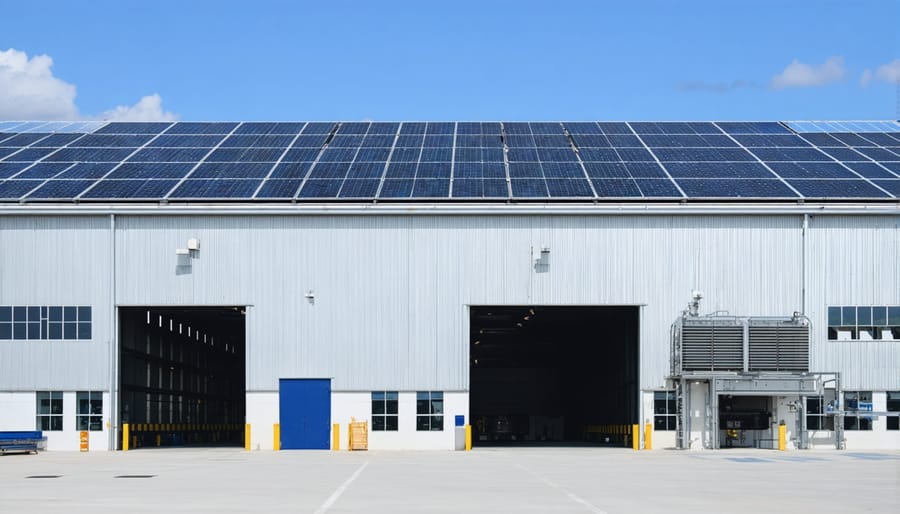
The food processing industry presents compelling examples of successful waste heat recovery implementation, particularly in operations involving cooking, sterilization, and drying processes. A notable case study from a leading dairy processor in Wisconsin demonstrates how integrating waste heat recovery systems into their pasteurization process resulted in a 35% reduction in annual energy costs.
In this implementation, heat exchangers were installed to capture thermal energy from hot water discharge and pasteurization cooling processes. The recovered heat is then utilized to preheat incoming raw milk and maintain optimal temperatures in clean-in-place (CIP) systems. This closed-loop system not only reduces energy consumption but also minimizes water usage by recycling heated water.
Another successful application can be found in a California-based fruit processing facility, where waste heat from industrial dryers is captured and redirected to power absorption chillers for cold storage facilities. This innovative approach has reduced the facility’s cooling costs by approximately 40% while decreasing their carbon footprint by 600 metric tons annually.
The return on investment for these systems typically ranges from 12 to 24 months, depending on the scale of operation and existing infrastructure. Food processing facilities implementing waste heat recovery systems also report improved process efficiency, better product quality control, and enhanced compliance with food safety regulations due to more stable temperature management.
Implementation Steps and Best Practices
Implementing an industrial waste heat recovery system requires careful planning and execution. Begin with a comprehensive energy audit to identify potential heat sources and their recovery potential. This initial assessment should include temperature measurements, flow rates, and operating schedules of various processes.
Create a detailed feasibility study that evaluates technical requirements, space constraints, and integration possibilities with existing systems. Consider factors such as heat quality (temperature levels), quantity (thermal energy available), and consistency of waste heat production. Ensure the selected recovery technology matches your specific needs and operational patterns.
Develop a phased implementation plan that minimizes disruption to ongoing operations. Start with high-potential, low-complexity projects to demonstrate quick wins and build organizational support. Install monitoring systems to track performance metrics and establish baseline data for comparison.
Best practices include:
– Regular maintenance schedules to ensure optimal system performance
– Training programs for operational staff
– Integration with existing energy management systems
– Redundancy planning for critical processes
– Documentation of standard operating procedures
When selecting equipment, prioritize reliability and compatibility with your facility’s infrastructure. Consider working with experienced contractors who have specific expertise in waste heat recovery installations. Implement safety protocols and ensure compliance with relevant regulations and standards.
Monitor system performance post-implementation through key performance indicators (KPIs) such as energy recovery rates, cost savings, and reduced carbon emissions. Regular review of these metrics helps identify optimization opportunities and validates the system’s effectiveness.
Remember to account for future expansion possibilities and changing production needs when designing the system. This forward-thinking approach ensures long-term sustainability and adaptability of your heat recovery investment.
Industrial waste heat recovery represents a compelling opportunity for businesses to enhance their operational efficiency, reduce environmental impact, and achieve significant cost savings. By implementing these systems, organizations can recapture up to 50% of waste heat, leading to substantial reductions in energy consumption and operational costs. The benefits extend beyond immediate financial returns, contributing to corporate sustainability goals and environmental compliance requirements. As energy costs continue to rise and environmental regulations become more stringent, waste heat recovery systems offer a proven solution for forward-thinking organizations. The time to act is now – investing in waste heat recovery technology not only makes sound business sense but also positions your organization as a leader in sustainable industrial practices. Consider conducting a facility assessment to identify heat recovery opportunities and take the first step toward a more efficient, sustainable future.