
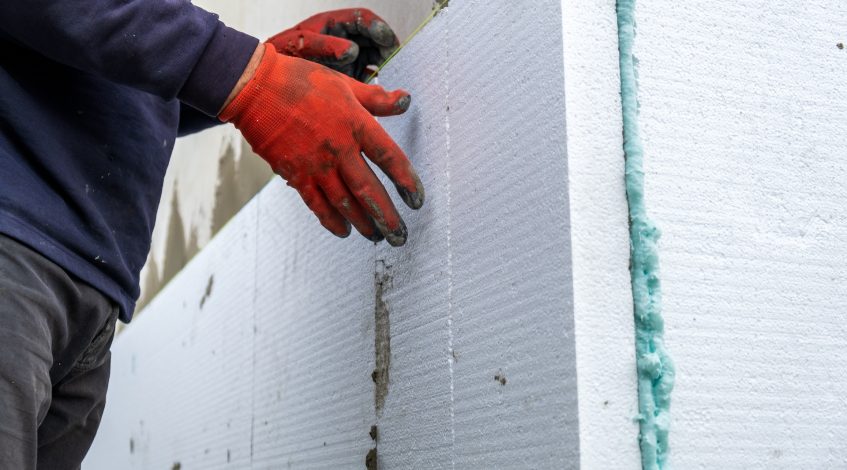
Insulation is one of those home improvements nobody ever sees and everyone feels. It sits quietly in your ceiling and walls doing its job, and the result is a home that stays comfortable through the summer heat and the winter cold without your heating and cooling working overtime.
For all its impact, insulation is often misunderstood or overlooked. Here’s how these insulation batts keep your home comfortable year-round, and what to consider to get the most from them.
How insulation batts work
Insulation batts work by slowing the transfer of heat. They’re made from materials full of tiny air pockets that resist the movement of heat through them, which is measured as an R-value. The higher the R-value, the more effectively the batt resists heat flow.
This simple principle is powerful. Heat naturally moves from warm areas to cool ones, so in summer it wants to flow into your cool home, and in winter it wants to escape your warm one. Insulation puts a barrier in the way of both, keeping conditioned air where you want it.
Comfort in summer and winter
The beauty of insulation is that it works both ways. In the heat of summer, it slows the flood of outside heat into your home, keeping rooms cooler and easing the load on your air conditioning. In winter, it holds the warmth inside, so your heating doesn’t disappear through the ceiling and walls.
The result is a home with steadier, more comfortable temperatures all year, and heating and cooling systems that don’t have to fight a constant battle against the outside conditions.
Where insulation matters most
Not all parts of a home lose heat equally. The ceiling is the single most important area to insulate, as a great deal of heat moves through the roof space in both directions. If you do nothing else, a well-insulated ceiling delivers the biggest return.
External walls are the next priority, followed by floors in homes raised off the ground. Insulating these areas creates a more complete thermal envelope, so the whole home holds its temperature better.
Choosing the right batts
Batts come in different materials and R-values, and the right choice depends on where they’re going and your climate. Higher R-values suit ceilings and colder conditions, while wall batts are sized to fit the cavity. It’s worth matching the product to the specific application rather than using one type everywhere.
Consider factors like the material, fire properties, and whether you need acoustic performance too, as some batts also reduce noise between rooms or from outside.
If you’re unsure what R-value suits your area, it’s worth checking the recommendation for your climate zone or asking a supplier, since the ideal level varies across the country. Paying for far more than you need brings diminishing returns, while too little leaves comfort and savings on the table.
Installation makes all the difference
Even the best batts underperform if they’re poorly installed. Gaps, compression, and batts that don’t fit snugly all leave weak points where heat leaks through, undermining the whole system. Insulation needs to fit neatly and completely, with no gaps around edges and fixtures.
For this reason, careful installation, whether done meticulously yourself or by a professional, is just as important as the quality of the batts you choose.
An investment that keeps paying back
Good insulation is one of the most cost-effective upgrades you can make to a home. The comfort improvement is immediate, and the savings on heating and cooling continue year after year, quietly paying back the initial cost over time.
For a more comfortable home and lower energy bills in every season, the right insulation, properly installed, is hard to beat as a smart, lasting investment.