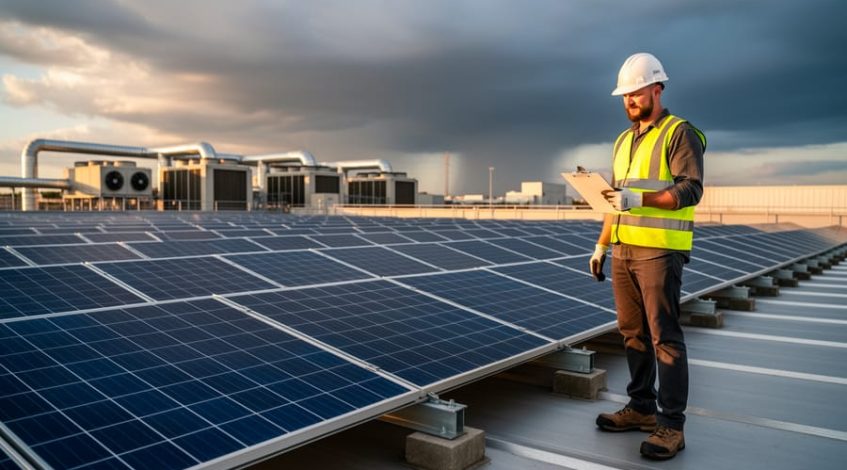
Evaluate your solar asset’s replacement cost before purchasing coverage, as standard property insurance typically excludes specialized photovoltaic equipment and performance guarantees. Commercial solar installations representing investments of $500,000 to several million dollars require dedicated policies covering physical damage, business interruption, and performance shortfalls that generic coverage overlooks.
Structure your insurance portfolio across four primary categories: property damage protection for panels, inverters, and mounting systems against weather events and equipment failure; liability coverage addressing injury claims and third-party property damage; business interruption insurance compensating for lost energy production during repairs; and equipment breakdown coverage for mechanical and electrical failures outside standard warranties.
Quantify your risk exposure by calculating daily energy production value multiplied by average repair timelines. A 500kW commercial system generating $200 daily in energy savings faces $6,000 monthly revenue loss during a 30-day panel replacement period. This calculation demonstrates why business interruption coverage with minimal waiting periods proves essential for maintaining project economics.
Partner with insurers experienced in renewable energy assets who understand performance ratios, degradation curves, and weather-related failure patterns specific to solar technology. A midwest manufacturing facility reduced premium costs 23% by working with specialized underwriters who properly valued their racking system’s wind resistance certifications rather than applying generic property rates.
Negotiate risk-sharing agreements with engineering, procurement, and construction contractors that extend beyond installation warranties. Leading developers now structure policies where equipment suppliers maintain partial ownership stakes, aligning long-term performance incentives with insurance cost reduction through proactive maintenance protocols and advanced monitoring systems that detect potential failures before they impact production.
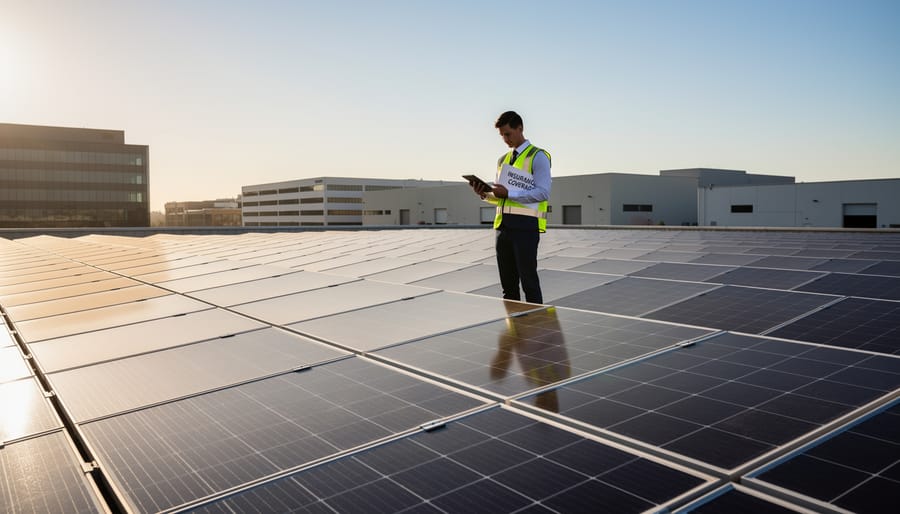
Understanding Solar Power Insurance: What’s at Stake
Types of Risks Facing Commercial Solar Installations
Commercial solar installations face multiple risk categories that require comprehensive insurance protection. Understanding these exposures enables facility managers and business owners to structure appropriate coverage and safeguard their renewable energy investments.
Physical risks pose the most immediate threat to solar assets. Severe weather events, including hail, hurricanes, and high winds, can damage panels, mounting systems, and inverters. A 2022 incident at a Texas distribution center resulted in $1.2 million in losses when a hailstorm destroyed nearly 40% of the facility’s rooftop array. Lightning strikes, fire, and vandalism represent additional physical hazards that can compromise system integrity and halt energy production.
Equipment failure constitutes a significant operational risk, particularly as installations age beyond warranty periods. Inverter malfunctions, panel degradation, and monitoring system failures can reduce output substantially. One manufacturing facility in North Carolina experienced a 35% production decline over six months due to undetected inverter issues, translating to $180,000 in lost energy savings and revenue.
Theft of copper wiring and expensive components has increased as solar installations proliferate in remote locations. Ground-mounted systems prove especially vulnerable, with some facilities reporting multiple theft incidents requiring security upgrades and extended downtime.
Production losses from any interruption carry direct financial consequences. Business interruption coverage addresses revenue shortfalls when systems cannot generate expected power output, whether from equipment failure or physical damage.
Liability concerns extend beyond property damage. Installation defects, electrical hazards, or falling debris from rooftop arrays can injure workers or third parties. A single liability claim following a panel detachment during windstorms resulted in $450,000 in settlements and legal costs for one commercial property owner, underscoring the importance of comprehensive general liability protection.
The True Cost of Uninsured Solar Assets
The financial consequences of operating without adequate solar power insurance can be severe and far-reaching for commercial enterprises. Recent industry data reveals that uninsured solar system failures cost businesses an average of $150,000 to $500,000 per incident, depending on system size and complexity.
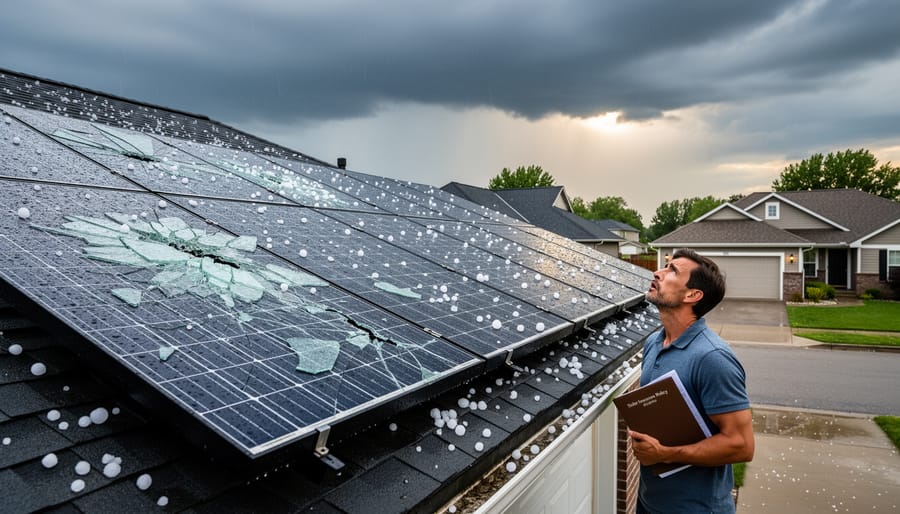
Consider a manufacturing facility in Queensland that experienced a hail storm damaging 40% of their 500kW solar array. Without comprehensive coverage, the company faced $280,000 in replacement costs while losing $45,000 in monthly energy savings during the three-month repair period. This single event eroded nearly two years of their solar investment returns.
Another case involves a retail chain whose inverter failure went undetected for six weeks due to inadequate monitoring. The resulting production loss cost $38,000 in foregone energy generation, while emergency replacement expenses added another $52,000. These figures don’t account for increased grid electricity costs during downtime.
Business interruption represents an often-overlooked dimension of uninsured risk. A logistics company discovered this when their 300kW system experienced electrical faults, forcing operations onto expensive peak-rate grid power for eight weeks. The $67,000 additional energy expense significantly impacted quarterly profitability.
Implementing comprehensive solar investment protection strategies proves cost-effective when compared against these real-world scenarios. Industry analysis demonstrates that annual insurance premiums typically range from 0.25% to 0.5% of system value, a modest investment considering potential exposure to six-figure losses from weather events, equipment failure, or performance degradation.
Core Coverage Options for Commercial Solar Systems
Property and Equipment Insurance
Property and equipment insurance forms the foundation of solar power protection, safeguarding your capital investment against physical damage and unexpected losses. This coverage extends to photovoltaic panels, inverters, mounting structures, racking systems, electrical wiring, monitoring equipment, and battery storage units when applicable.
Standard policies typically protect against fire, lightning strikes, wind damage, hail, vandalism, and theft. For example, a 2-megawatt commercial installation in Texas recently recovered $850,000 after hail damage compromised 40% of their array, enabling rapid replacement without disrupting their power purchase agreement obligations. Coverage can be structured on either a replacement cost or actual cash value basis, with replacement cost providing superior protection for newer installations.
Critical considerations include ensuring adequate coverage limits that reflect current equipment values, as solar technology costs continue to evolving. Many insurers now offer specialized solar equipment endorsements that address unique risks such as hot spot failures, micro-cracking, and potential-induced degradation. Facility managers should verify that policies cover both the solar array and associated infrastructure, including trenching, conduit, and grid interconnection equipment. Deductibles typically range from $5,000 to $25,000 for commercial systems, with lower deductibles available at higher premiums for risk-averse organizations seeking comprehensive protection.
Business Interruption and Production Guarantee Insurance
Solar energy systems represent significant capital investments, making protection against revenue interruptions essential for maintaining projected returns. Business Interruption Insurance safeguards against financial losses when your solar installation experiences unexpected downtime due to covered events such as equipment failure, storm damage, or grid connection issues. This coverage compensates for lost energy production revenue during repair periods, ensuring cash flow stability and protecting your project’s financial viability.
Production Guarantee Insurance takes this protection further by addressing underperformance scenarios. When solar arrays generate less electricity than manufacturer specifications or engineering projections promise, this coverage bridges the revenue gap. For commercial operations relying on consistent energy cost savings or power purchase agreement commitments, production shortfalls can significantly impact financial planning.
Modern policies often include performance ratio guarantees, compensating facility managers when actual system output falls below guaranteed thresholds after accounting for environmental factors. A notable application involves a 500-kilowatt commercial rooftop installation where inverter degradation reduced output by 18 percent. The production guarantee coverage provided quarterly compensation totaling $47,000 annually while replacement equipment was sourced and installed, maintaining the project’s expected return on investment. These policies typically require professional system monitoring and regular maintenance documentation, reinforcing operational best practices while securing financial protection.
Liability and Third-Party Coverage
Comprehensive liability coverage protects solar system owners from financial exposure when installations cause damage to neighboring properties, injuries to workers or visitors, or operational disruptions. General liability policies typically cover bodily injury claims, property damage to third parties, and medical expenses arising from solar-related incidents. For commercial installations, professional liability insurance addresses errors in system design, faulty installation practices, and performance failures that impact energy production guarantees.
Product liability coverage becomes essential when defective panels, inverters, or mounting systems cause fires, structural damage, or electrical hazards. Claims can extend beyond the installation site when falling debris damages adjacent buildings or malfunctioning equipment disrupts grid operations. Consider a distribution center where improper roof penetration during panel installation led to water damage affecting tenant inventory—comprehensive liability coverage resolved claims totaling $340,000 without disrupting business operations.
Installation contractors should maintain minimum coverage limits of $2-5 million, while system owners benefit from umbrella policies providing additional protection. Verify that policies cover both ongoing operations and completed work, as claims may emerge years after project completion.
Installation and Construction Insurance
The installation phase represents a period of heightened vulnerability for solar projects. Builder’s risk insurance protects equipment and materials during construction against theft, vandalism, and weather damage. This coverage extends from delivery through final commissioning, addressing the significant capital investment at stake during these critical weeks or months.
Contractor liability insurance provides essential protection against property damage and bodily injury claims arising from installation activities. For commercial projects, general liability policies should include contractual liability endorsements and completed operations coverage. Many facility managers require contractors to carry minimum coverage limits of $2-5 million, with the property owner named as an additional insured. Real-world application demonstrates the value: a warehouse solar installation in California avoided $300,000 in losses when installation-phase coverage responded to roof damage caused by mounting equipment. Verify that your installation partner maintains comprehensive insurance documentation before construction begins.
Insurance and Risk-Sharing Partnerships: A Strategic Approach
How Risk-Sharing Partnerships Work
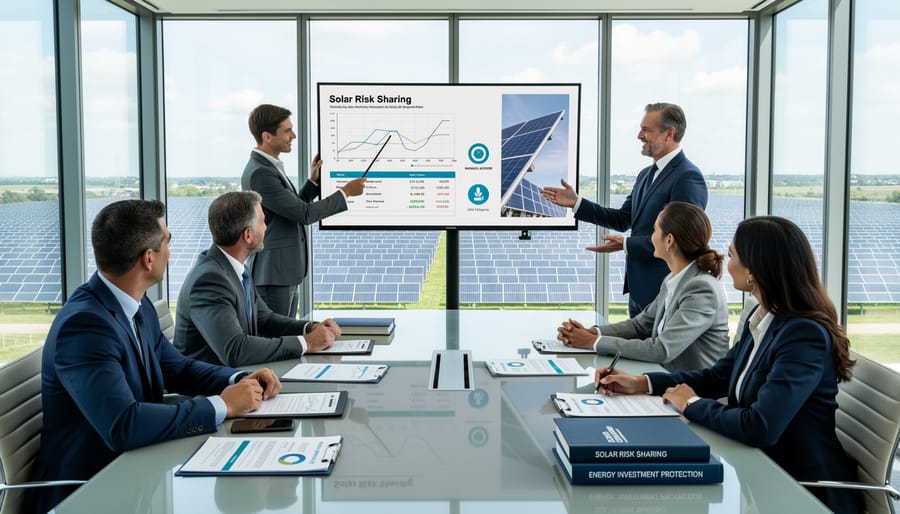
Risk-sharing partnerships represent an innovative approach to managing solar power insurance costs and coverage gaps. These collaborative frameworks distribute financial exposure across multiple stakeholders, creating more sustainable and comprehensive protection models.
In a typical risk-sharing arrangement, solar installers partner with equipment manufacturers who provide extended warranties, while insurance carriers cover operational risks and third-party liability. Financial institutions may participate by offering insurance-backed financing products that reduce upfront costs for business owners. Through solar energy partnerships, these stakeholders align their interests to minimize claims and optimize system performance.
Manufacturers often contribute by guaranteeing product performance metrics, which reduces underwriting risk for insurers and can lower premium costs by 15-25 percent. Insurance providers, in turn, share performance data with manufacturers to improve product design and reliability. This feedback loop creates measurable value for all parties.
A practical example involves a commercial solar portfolio where the installer retained responsibility for installation workmanship, the panel manufacturer guaranteed output performance, and the insurance carrier covered natural disasters and business interruption. This three-way partnership reduced the facility manager’s total risk management costs by 30 percent compared to traditional standalone policies.
Financial institutions increasingly participate by bundling insurance products with project financing, spreading costs over the system’s operational life. This structure improves cash flow management and makes comprehensive coverage accessible to organizations that might otherwise carry excessive uninsured risk.
These collaborative models continue evolving as the solar industry matures, offering sophisticated buyers more flexible and cost-effective protection strategies.
Benefits of Partnership-Based Risk Management
Risk-sharing partnerships between solar installers, insurance providers, and financing institutions deliver measurable advantages for commercial solar projects. These collaborative arrangements typically reduce insurance premiums by 15-25% compared to standalone policies, as shared risk assessment and ongoing system monitoring create more accurate actuarial models. Through strategic partnerships, project owners gain access to comprehensive coverage that addresses both operational and financial risks under unified terms.
Partnership models improve coverage conditions by eliminating gaps between different insurance products. When installers commit to long-term performance guarantees alongside insurer policies, lenders view projects as lower risk, resulting in better financing terms with interest rate reductions of 0.5-1.5%. A recent case involving a 2MW commercial installation demonstrated how integrated risk management reduced total project insurance costs by 22% while securing performance warranties extending 25 years.
These arrangements also streamline claims processes, as pre-established relationships between partners accelerate assessment and resolution. For facility managers, this translates to minimal operational disruption and faster restoration of energy production following covered events, protecting both investment value and sustainability commitments.
Industry Examples of Successful Risk-Sharing Models
Leading solar developers have pioneered effective risk-sharing frameworks that reduce insurance costs while maintaining comprehensive protection. A notable example involves a 50-megawatt commercial solar portfolio in the southwestern United States, where the installation company partnered with insurers to create a tiered coverage model. The developer retained responsibility for minor equipment failures while insurers covered catastrophic weather events and system-wide performance issues. This arrangement reduced annual premiums by 35 percent compared to traditional all-risk policies.
In another case, a manufacturing facility implementing rooftop solar worked with their installer to structure a performance guarantee backed by shared insurance coverage. The installer assumed warranty-related risks for the first five years, while the facility owner carried property insurance. This collaborative approach eliminated coverage gaps and clarified claim procedures, resulting in faster resolution when hail damage occurred in year three. These examples demonstrate how strategic partnerships between solar providers, facility owners, and insurers create sustainable, cost-effective protection models that align incentives across all stakeholders.
Evaluating Your Solar Insurance Needs
Factors That Influence Insurance Requirements
Insurance requirements for solar installations vary significantly based on several key factors that commercial decision-makers must evaluate. System size represents a primary determinant, as larger installations ranging from 100kW to multi-megawatt facilities carry higher replacement values and typically require more comprehensive coverage compared to smaller commercial arrays.
Geographic location substantially impacts insurance needs and premiums. Facilities in regions prone to severe weather events, hailstorms, or wildfires face elevated risk profiles requiring enhanced property damage and business interruption coverage. Coastal installations may need specialized protection against hurricane damage and saltwater corrosion.
The financing structure plays a critical role in determining mandatory coverage levels. Third-party owned systems through power purchase agreements or leases typically mandate specific insurance requirements set by financial institutions. Direct ownership provides more flexibility, though prudent risk management remains essential for protecting capital investments in corporate solar solutions.
Installation type also influences coverage needs. Rooftop systems require careful assessment of existing building insurance compatibility and may necessitate additional structural liability protection. Ground-mounted arrays face different exposures, including potential damage from vegetation, flooding, or unauthorized access.
Industry-specific considerations matter significantly. Manufacturing facilities with continuous operations require robust business interruption coverage, while agricultural operations may need specialized rural property endorsements. Government installations often follow distinct procurement and insurance protocols requiring tailored policy structures.
Questions to Ask Your Insurance Provider
Before committing to a solar power insurance policy, decision-makers should thoroughly evaluate coverage options by asking targeted questions. Start by clarifying coverage limits: What is the maximum payout for equipment damage, business interruption, or total system loss? Request specific dollar amounts rather than percentages to understand your actual protection level.
Investigate exclusions carefully. Ask which perils, circumstances, or components are not covered under the standard policy. Common exclusions may include gradual performance degradation, certain weather events, or specific manufacturer defects. Understanding these gaps allows you to assess whether additional riders are necessary.
Inquire about deductible structures and how they apply to different claim types. Some policies feature separate deductibles for property damage versus liability claims, which impacts your out-of-pocket exposure during incidents.
Examine the claim process timeline and documentation requirements. Request information about average claim processing times, required evidence for filing, and whether the insurer has experience with solar-specific claims. Ask for references from other commercial solar clients who have filed claims.
For organizations exploring risk-sharing models, question whether your installer or solar provider maintains insurance partnerships that could reduce premiums or streamline coverage. Some commercial solar providers offer bundled protection programs that integrate equipment warranties with comprehensive insurance solutions, potentially delivering better value than standalone policies.
Working with Your Solar Provider on Insurance Solutions
Installer-Backed Warranties vs. Insurance
Understanding the distinction between warranties and insurance is essential for comprehensive solar asset protection. Manufacturer warranties typically cover equipment defects and performance guarantees for 10-25 years, while installer workmanship warranties address installation-related issues for 5-10 years. However, these warranties have significant limitations—they rarely cover weather damage, theft, business interruption, or third-party liability claims.
Independent insurance policies fill critical gaps that warranties cannot address. For instance, a hailstorm damaging panels falls outside warranty coverage but within property insurance scope. Similarly, if damaged panels cause production losses, business interruption insurance provides revenue protection that no manufacturer warranty includes.
Leading solar providers now offer integrated protection packages combining extended warranties with insurance coverage, simplifying risk management for facility managers. A commercial facility in Texas demonstrated this approach’s value when tornado damage required panel replacement; while the manufacturer warranty covered replacement equipment costs, the insurance policy paid for installation labor, structural repairs, and three months of lost production—expenses totaling $127,000 beyond warranty limits. This layered protection strategy ensures comprehensive coverage across all potential risk scenarios.
Integrated Insurance Programs for Commercial Clients
Leading solar providers increasingly recognize that commercial clients require more than just equipment installation—they need complete risk management solutions. Many established providers now offer comprehensive solar solutions that integrate insurance coverage directly into their service packages.
These integrated programs typically bundle equipment warranties, performance guarantees, and tailored insurance policies into a single offering. Providers partner with specialized insurers who understand solar technology risks, creating streamlined coverage that addresses property damage, business interruption, and liability concerns simultaneously. This approach eliminates gaps in protection that can occur when businesses coordinate separate policies.
For facility managers and business owners, integrated insurance programs simplify procurement and reduce administrative burden. Single-point accountability means one provider manages both system performance and insurance claims, accelerating resolution times. Some programs include risk assessment services that identify vulnerabilities before installation, optimizing both system design and coverage terms. This partnership model demonstrates measurable value through reduced downtime and predictable total cost of ownership.
Protecting your commercial solar investment requires more than just quality equipment and professional installation—it demands a comprehensive insurance strategy tailored to the unique risks of solar energy systems. As demonstrated throughout this article, solar installations face diverse challenges ranging from equipment failure and natural disasters to cybersecurity threats and regulatory changes. Without adequate coverage, these risks can significantly impact your return on investment and long-term financial projections.
The evolution of risk-sharing partnerships represents a significant advancement in solar project protection, offering business owners and facility managers innovative alternatives to traditional insurance models. These collaborative approaches, combined with conventional coverage options, create robust risk mitigation frameworks that protect against both common and unforeseen circumstances. The case studies presented illustrate how organizations across various sectors have successfully implemented integrated insurance solutions, achieving both financial security and operational continuity.
As you evaluate solar investments for your organization, prioritize discussions about insurance and risk management from the earliest planning stages. Work with qualified solar providers who understand the intricate relationship between system design, performance guarantees, and insurance requirements. These professionals can help you navigate coverage options, assess appropriate protection levels for your specific installation, and structure risk-sharing arrangements that align with your organizational goals.
The long-term success of your solar investment depends on comprehensive protection strategies that safeguard your capital expenditure, ensure consistent energy production, and provide peace of mind throughout the system’s operational lifespan. By integrating insurance planning into your solar procurement process, you position your organization to maximize the financial and environmental benefits of clean energy while minimizing exposure to potential setbacks.