As cities expand and temperatures rise, the urban heat island effect has emerged as a critical challenge at the intersection of urban development and climate change. Recent studies indicate that urban areas experience temperatures up to 7°C higher than surrounding rural regions, significantly impacting energy consumption, public health, and economic productivity.
This temperature disparity, driven by heat-absorbing infrastructure and reduced vegetation, creates a feedback loop that intensifies the effects of global climate change in metropolitan areas. For businesses and facility managers, this translates to increased cooling costs, reduced worker productivity, and greater strain on building systems. The World Bank estimates that urban heat islands could cost cities billions in additional energy expenditure and health-related expenses by 2050.
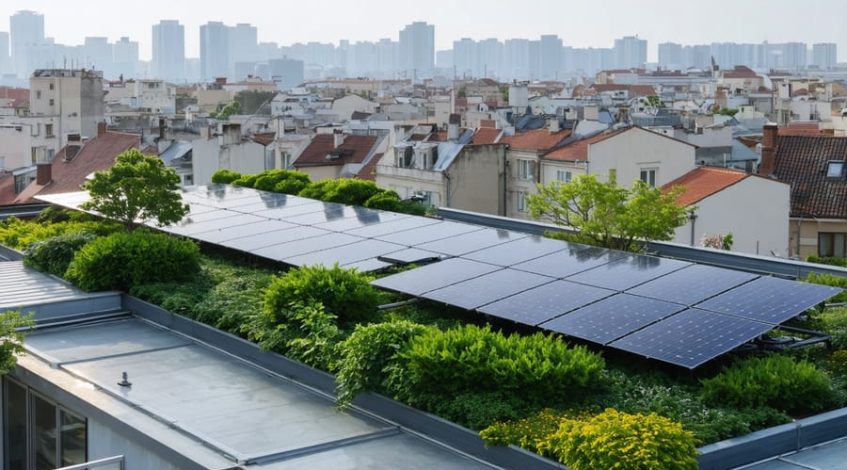
However, innovative urban planning strategies and technological solutions are emerging as effective countermeasures. From green roofs and reflective surfaces to smart building designs and urban forestry initiatives, cities worldwide are demonstrating that the urban heat island effect can be mitigated through strategic intervention. These solutions not only address immediate temperature challenges but also contribute to broader climate resilience goals, offering compelling opportunities for businesses to reduce operational costs while contributing to sustainable urban development.
Understanding Urban Heat Islands in Modern Cities
What Causes Urban Heat Islands?
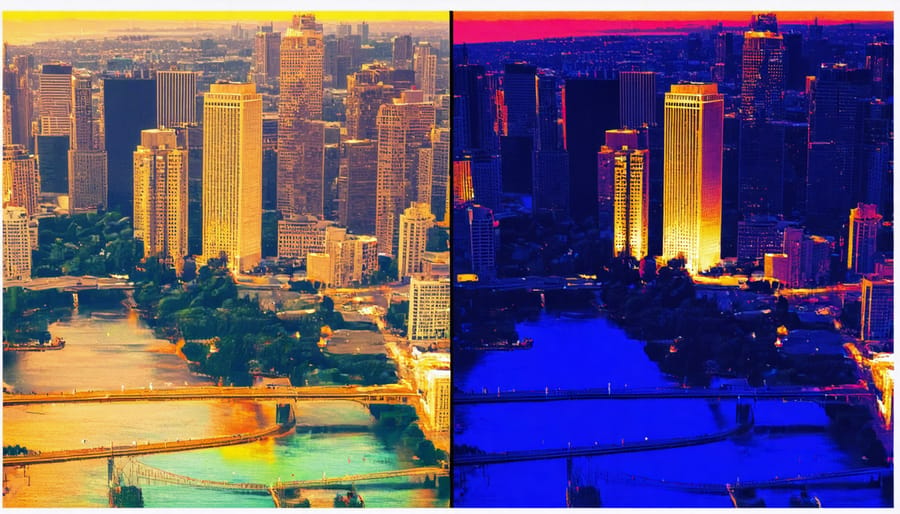
The urban heat island effect is primarily driven by several interconnected factors in densely developed areas. Dark surfaces, including asphalt roads and traditional roofing materials, absorb and retain significant amounts of solar radiation. These surfaces can reach temperatures up to 50°C higher than surrounding air temperatures during peak summer conditions.
Building density plays a crucial role by trapping heat between structures and reducing natural airflow. The replacement of natural vegetation with impervious surfaces eliminates the cooling benefits of evapotranspiration and natural shading. Additionally, human activities in urban areas, such as industrial processes, air conditioning systems, and vehicle emissions, generate excess heat that becomes trapped within the built environment.
The thermal mass of construction materials, particularly concrete and steel, stores heat during the day and releases it slowly at night, preventing cities from cooling effectively. This creates a continuous cycle of heat accumulation that intensifies during extended warm periods. Understanding these contributing factors is essential for developing effective mitigation strategies and implementing sustainable urban development practices.
Economic Impact of Urban Heat
The economic impact of urban heat islands presents significant challenges for businesses and municipalities, particularly in terms of energy consumption and operational costs. Studies show that cooling expenses in urban areas can be 15-20% higher than in surrounding regions due to elevated temperatures. During peak summer months, cities typically experience a 2-5% increase in electricity demand for every 1°F rise in temperature, straining both power infrastructure and business budgets.
Commercial buildings in urban centers face particularly steep cooling costs, with HVAC systems accounting for approximately 35% of total energy consumption. This increased demand not only affects individual businesses but also leads to higher utility rates during peak hours, creating a cascade effect across the urban economy.
The financial burden extends beyond direct cooling costs. Employee productivity decreases by 2% for every degree above optimal office temperature, resulting in substantial indirect economic losses. Additionally, infrastructure maintenance costs rise as heat stress accelerates the deterioration of roads, buildings, and public facilities.
Cities are increasingly implementing heat mitigation strategies, such as green roofs and cool pavements, which show potential returns on investment through reduced cooling costs and extended infrastructure lifespan. These initiatives, while requiring initial capital, typically demonstrate positive economic returns within 3-5 years through reduced energy consumption and maintenance expenses.
Solar Energy’s Dual Role in Urban Temperature Management
Rooftop Solar as Urban Cooling Technology
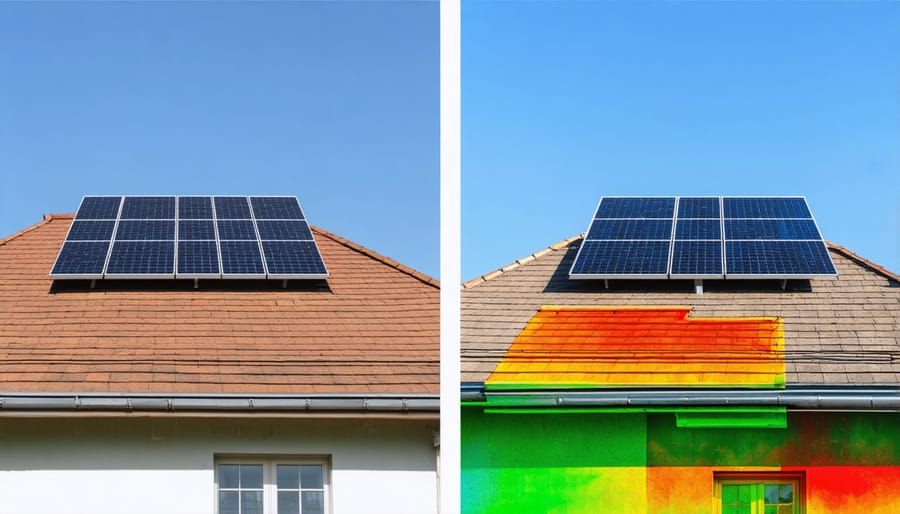
Rooftop solar installations serve as an innovative dual-purpose solution for urban heat island mitigation while generating clean energy. When properly installed, solar panels create a protective layer that absorbs and converts solar radiation into electricity, significantly reducing the heat transfer to building surfaces. Studies show that buildings equipped with rooftop solar arrays experience temperature reductions of 5-10°F (2.8-5.6°C) in the spaces directly beneath the panels.
The cooling effect occurs through three primary mechanisms: direct shading of the roof surface, heat absorption by the panels themselves, and the air gap between panels and roof that facilitates natural ventilation. Modern solar retrofitting solutions can reduce roof heat absorption by up to 38%, leading to decreased cooling costs and improved building energy efficiency.
Recent thermal imaging studies of commercial buildings in urban areas demonstrate that solar panel-covered sections maintain significantly lower temperatures compared to exposed roof surfaces during peak heat hours. This temperature differential not only benefits individual buildings but also contributes to neighborhood-scale cooling effects when implemented across multiple structures.
The effectiveness of solar panels as a cooling technology is enhanced by their high albedo (reflectivity) and thermal mass properties, which help regulate temperature fluctuations throughout the day. This passive cooling benefit adds substantial value to the already attractive ROI of solar energy systems, making them an increasingly popular choice for urban heat mitigation strategies.
Energy Efficiency Benefits
Implementing energy efficiency measures in urban areas not only combats the heat island effect but also delivers substantial cost savings and environmental benefits. Buildings in urban heat islands typically require 5-10% more energy for cooling compared to their rural counterparts, making energy efficiency improvements particularly impactful in these areas.
By adopting energy-efficient strategies such as cool roofs, green facades, and improved insulation, buildings can reduce their cooling loads by 20-40% during peak summer months. This reduction translates to immediate cost savings on utility bills and decreased strain on the power grid during high-demand periods.
A notable example is the Empire State Building’s retrofit project, which achieved a 38% reduction in energy consumption through comprehensive efficiency measures. The project demonstrated that even historic buildings in dense urban environments can achieve significant energy savings while maintaining comfort levels for occupants.
The benefits extend beyond individual buildings to the broader urban environment. When multiple buildings implement energy efficiency measures, the collective impact helps break the self-reinforcing cycle of urban heat islands. Lower energy consumption means reduced waste heat from air conditioning systems, which in turn helps moderate outdoor temperatures.
For facility managers and building owners, the ROI on energy efficiency investments typically ranges from 3-5 years, with continued savings throughout the building’s lifecycle. These improvements also enhance property values and contribute to meeting increasingly stringent environmental regulations.
ncorporating energy-efficient solutions like Daikin air conditioners in commercial and residential buildings can further reduce cooling costs while improving indoor comfort during extreme urban heat conditions.
Case Study: Commercial Solar Success Stories
Shopping Center Temperature Reduction Project
A pioneering project at the Westfield Shopping Center in Sydney demonstrated significant success in combating urban heat island effects through innovative commercial solar solutions and strategic design modifications. The initiative, implemented in 2019, combined solar reflective roofing materials, green spaces, and advanced temperature monitoring systems.
The results were remarkable: average rooftop temperatures decreased by 12°C during peak summer hours, while interior temperatures dropped by 4°C. This reduction led to a 23% decrease in cooling-related energy consumption, translating to annual savings of AUD 245,000. The project’s success hinged on the integration of high-albedo roofing materials with a solar reflectance index (SRI) of 82, alongside the installation of 2,500 square meters of native vegetation.
Post-implementation monitoring over 24 months revealed consistent temperature reductions across all seasons, with the most significant impact during December-February. The project’s ROI was achieved within 2.8 years, making it a compelling model for similar commercial developments seeking sustainable temperature management solutions.
Industrial Park Heat Management Solution
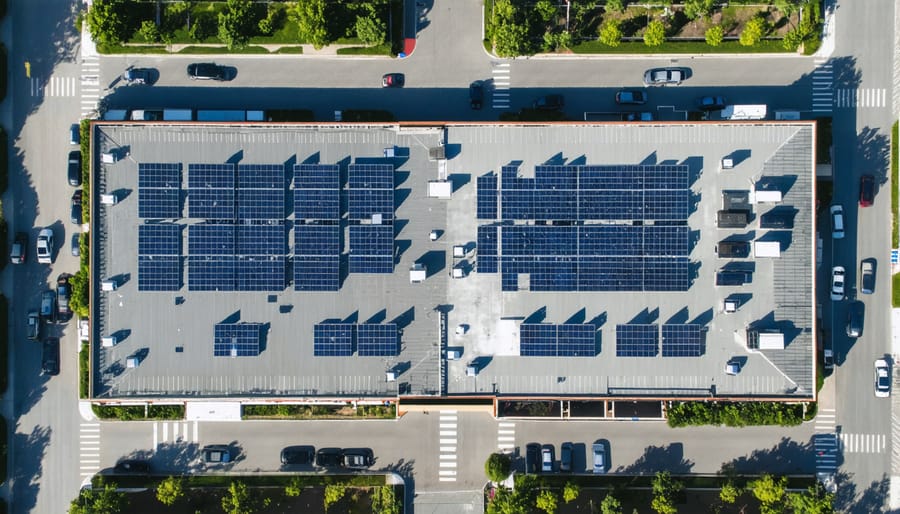
Industrial parks contribute significantly to urban heat island effects, but innovative heat management solutions are proving effective in mitigating these challenges. Large-scale implementation of heat management strategies in industrial zones typically involves a multi-faceted approach combining green infrastructure, smart building design, and advanced cooling systems.
Leading industrial parks have successfully reduced ambient temperatures by 3-5°C through the strategic placement of green spaces and reflective surfaces. For instance, the Singapore Industrial Park achieved a 15% reduction in cooling costs by implementing a comprehensive heat management system that includes rooftop gardens, permeable pavements, and smart shading structures.
The most effective solutions incorporate automated monitoring systems that adjust cooling mechanisms based on real-time temperature data. These systems typically include:
– Advanced building insulation
– Cool roof technologies
– Strategic vegetation placement
– Heat-reflective pavements
– Smart ventilation systems
Implementation costs are often offset by reduced energy consumption, with most facilities reporting ROI within 3-5 years. Additionally, these solutions contribute to improved worker productivity and equipment longevity, making them increasingly attractive to facility managers and industrial park developers seeking sustainable, cost-effective solutions.
Implementation Strategies for Businesses
Assessment and Planning
Effective assessment and planning for urban heat island mitigation requires a systematic approach combining data analysis and strategic evaluation. Begin with a comprehensive heat mapping assessment using thermal imaging and temperature monitoring stations across different urban zones. This baseline data helps identify critical hotspots and areas requiring immediate intervention.
Consider conducting both daytime and nighttime temperature measurements to understand the full scope of the heat island effect. Factor in seasonal variations and peak heat periods to develop year-round mitigation strategies. Building envelope assessments should evaluate surface temperatures, material reflectivity, and existing green infrastructure.
Key planning considerations include:
– Surface material analysis and replacement opportunities
– Vegetation coverage assessment and potential green spaces
– Building density and air circulation patterns
– Energy consumption patterns during peak heat periods
– Available space for implementing cooling solutions
Prioritize areas based on population density, vulnerable communities, and economic impact. Develop a multi-year implementation plan that integrates various cooling strategies, from immediate solutions like cool roofs to long-term infrastructure changes.
Establish clear metrics for success, including temperature reduction targets, energy savings goals, and community health indicators. Regular monitoring and adjustment of the implementation plan ensure optimal results and resource allocation. Consider pilot projects in high-priority areas to demonstrate effectiveness and gather data for larger-scale implementations.
ROI and Environmental Benefits
Addressing urban heat islands through sustainable solutions offers compelling financial and environmental returns. Studies show that implementing comprehensive heat mitigation strategies can yield significant cost savings through reduced energy consumption. The ROI of solar installations and green infrastructure typically ranges from 15-25% annually, with payback periods averaging 4-6 years.
Commercial buildings implementing heat-reducing measures report energy savings of 20-30% on cooling costs during peak summer months. Green roofs and reflective surfaces can extend roof lifespans by up to 200%, reducing long-term maintenance and replacement costs. Additionally, properties with heat mitigation features command 7-10% higher rental values and demonstrate increased occupancy rates.
Environmental benefits are equally substantial. Urban heat mitigation strategies can reduce local temperatures by 2-4°C, decreasing greenhouse gas emissions from air conditioning by up to 40%. Enhanced green spaces improve air quality by filtering pollutants and capturing carbon dioxide, while proper stormwater management reduces flooding risks and water treatment costs.
These initiatives also create healthier communities, reducing heat-related illnesses and associated healthcare costs. Studies indicate that every dollar invested in urban heat reduction generates $2.50-$3.00 in combined economic and environmental benefits, making it a prudent investment for both private and public sectors.
Addressing urban heat islands through comprehensive climate action presents a clear path forward for sustainable urban development. The evidence demonstrates that implementing green infrastructure, reflective surfaces, and strategic urban planning can significantly reduce temperatures in our cities while delivering substantial economic benefits. These solutions not only combat the immediate effects of urban heat but also contribute to broader climate change mitigation efforts.
By investing in heat-reduction strategies, cities can achieve multiple benefits: reduced energy costs, improved public health outcomes, enhanced property values, and increased business productivity. The return on investment is particularly compelling when considering the reduced strain on power grids during peak summer months and decreased healthcare costs associated with heat-related illnesses.
The time to act is now. Business leaders, facility managers, and government officials have both the opportunity and responsibility to implement these proven solutions. Whether through green roof installations, cool pavement technologies, or expanded urban forestry programs, every action taken today helps build more resilient and sustainable cities for tomorrow.
Success stories from cities worldwide demonstrate that these interventions work. By combining policy initiatives with private sector innovation, we can create cooler, more livable urban environments while generating economic value. The path forward requires collaborative effort, but the benefits far outweigh the initial investments, making urban heat island mitigation an essential strategy for sustainable urban development.