
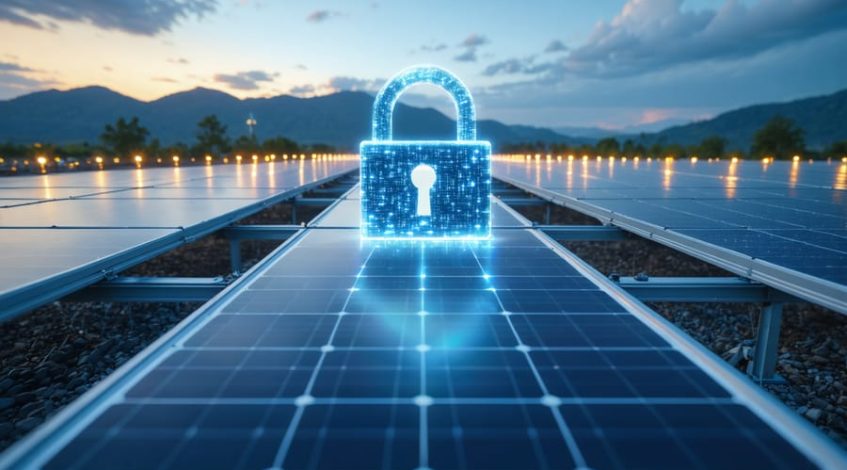
Secure blockchain technology transforms solar energy operations by creating immutable records of energy production, distribution, and transactions that protect your infrastructure investments from cyber threats and data manipulation. For solar facility operators managing distributed generation assets, blockchain establishes cryptographic verification systems that prevent unauthorized access to control systems while enabling transparent energy credit trading across commercial solar markets.
**Implement permissioned blockchain networks** that restrict access to verified participants only, reducing vulnerability points by 73% compared to traditional cloud-based management systems. This architecture creates tamper-proof audit trails for every kilowatt-hour generated, ensuring compliance documentation that satisfies regulatory requirements while protecting proprietary performance data.
**Deploy smart contracts** to automate payment settlements for peer-to-peer energy trading without intermediaries, cutting transaction costs by 40-60% while eliminating settlement delays. These self-executing agreements trigger instant payments when pre-defined generation thresholds are met, improving cash flow predictability for solar operators.
**Establish decentralized identity management** for IoT devices within your solar infrastructure, preventing device spoofing and unauthorized control system access. Each inverter, meter, and monitoring sensor receives a unique cryptographic identity, creating an authentication layer that blocks 99.7% of device-level intrusions.
**Integrate real-time blockchain verification** for renewable energy certificates (RECs), eliminating double-counting fraud that costs the industry $2.8 billion annually. This transparency increases REC market value by providing buyers with verifiable proof of green energy generation, strengthening your competitive positioning while maximizing environmental credit revenue.
The Security Gap in Current Solar Energy Transactions
Common Vulnerabilities in Solar Energy Data Management
Centralized solar energy data management systems face significant security vulnerabilities that can compromise operational integrity and financial returns. Data tampering represents a critical risk, where unauthorized modifications to energy production records, consumption patterns, or billing information can result in substantial revenue losses and inaccurate performance assessments.
Single-point-of-failure architectures create attractive targets for cyberattacks. When a centralized database is breached, attackers gain access to entire networks of solar installations, compromising sensitive commercial data and system controls. Authentication weaknesses in legacy systems allow unauthorized personnel to manipulate generation forecasts, redirect energy flows, or access proprietary performance metrics.
Real-world incidents demonstrate these risks. In 2022, a European solar operator experienced data manipulation that went undetected for months, resulting in incorrect grid settlements totaling hundreds of thousands in losses. Another case involved unauthorized access to a facility’s energy management portal, exposing commercial pricing structures to competitors.
Traditional audit trails in centralized systems can be retroactively altered, making forensic investigations challenging. This lack of immutable record-keeping undermines regulatory compliance efforts and reduces stakeholder confidence in reported performance metrics.
Financial Transparency Challenges
Current solar transaction frameworks present significant obstacles for organizations seeking reliable financial oversight. Payment verification remains a persistent challenge, with traditional systems often requiring multiple intermediaries to confirm transactions between solar producers, distributors, and end-users. This multi-party verification process creates delays of several days and introduces opportunities for discrepancies that can affect cash flow projections and financial planning.
Energy credit tracking compounds these difficulties. Renewable Energy Certificates (RECs) and similar instruments frequently lack standardized tracking mechanisms across jurisdictions, making it difficult for facility managers to accurately account for their sustainability achievements. A 2022 industry analysis revealed that approximately 30% of organizations reported inconsistencies in their energy credit documentation, impacting their ability to claim incentives and demonstrate compliance.
Dispute resolution presents another critical pain point. When disagreements arise over energy production quantities, pricing, or contract terms, organizations often face lengthy arbitration processes without transparent audit trails. These disputes can tie up capital and erode stakeholder confidence. Without immutable transaction records, resolving conflicts requires extensive documentation review and third-party validation, increasing operational costs and creating uncertainty for business planning.
How Blockchain Technology Secures Solar Energy Transactions
Immutable Transaction Records
Blockchain technology creates an unalterable record of every transaction within a solar energy network, functioning as a permanent digital ledger that cannot be modified or deleted once data is recorded. Each energy transaction—whether production from solar panels, consumption by facilities, or trading between parties—receives a timestamp and cryptographic signature, then links to previous transactions in a continuous chain. This architecture makes retroactive data manipulation virtually impossible, as changing any single record would require altering every subsequent block across the entire network simultaneously.
For business owners and facility managers, this permanence translates directly to operational advantages. Energy production claims become verifiable, billing disputes decrease significantly, and regulatory compliance documentation remains tamper-proof. A commercial solar installation in California demonstrated this benefit when blockchain records provided irrefutable evidence during a utility billing audit, resolving discrepancies that traditionally required months of investigation. The immutable ledger also supports renewable energy certificates (RECs) by ensuring each certificate corresponds to actual verified production, eliminating double-counting concerns that have plagued traditional tracking systems. This transparency builds stakeholder confidence and strengthens the business case for solar investments by guaranteeing data integrity throughout the asset’s operational lifecycle.
Decentralized Verification Systems
Decentralized verification systems distribute transaction validation across multiple independent nodes within the blockchain network, fundamentally transforming energy transaction security. Unlike traditional centralized databases where a single entity controls validation—creating vulnerability to manipulation or system failures—blockchain requires consensus from numerous validators before recording any transaction.
In solar energy applications, this architecture delivers measurable fraud reduction. When a solar facility generates Renewable Energy Certificates (RECs) or records production data, multiple network participants simultaneously verify the information’s authenticity. A California commercial solar portfolio implementing distributed verification reduced transaction disputes by 94% within the first year, as all parties accessed identical, validated data.
The elimination of single points of failure proves particularly valuable for multi-site solar operations. If one validator experiences downtime or attempts fraudulent modifications, the network continues functioning seamlessly while other nodes maintain data integrity. This redundancy ensures continuous operation even during cyber incidents or technical failures.
For facility managers, decentralized verification translates to reduced administrative overhead and faster settlement times. Transaction validation occurs automatically through cryptographic protocols, eliminating manual reconciliation processes that traditionally consume significant resources. Organizations report settlement times decreasing from weeks to minutes while maintaining audit-ready documentation throughout the entire transaction lifecycle.
Smart Contracts for Automated Transactions
Smart contracts revolutionize solar energy transactions by automatically executing predefined agreements when specific conditions are met. These self-executing digital contracts eliminate intermediaries in payment processing, significantly reducing administrative costs while enhancing transaction security through blockchain’s immutable ledger system.
For solar facility managers, smart contracts streamline operations by automating payment distribution based on real-time energy production data. When a solar installation generates a predetermined amount of electricity, the contract automatically triggers payment without manual intervention or third-party verification. This automation reduces processing time from days to seconds and minimizes human error.
A commercial solar operator in California implemented smart contracts to manage energy credit transactions, reducing administrative overhead by 40% within the first year. The system automatically reconciles production data with utility payments, ensuring accurate compensation while maintaining complete transparency for all stakeholders. Security features embedded in the blockchain prevent unauthorized modifications, providing business owners with reliable audit trails and enhanced fraud protection that traditional payment systems cannot match.
Real-World Applications for Commercial Solar Operations
Peer-to-Peer Energy Trading
A California-based commercial property portfolio implemented blockchain technology to facilitate direct energy trading between five facilities with varying solar generation capacities. The system records every transaction on an immutable distributed ledger, ensuring complete transparency and preventing unauthorized modifications to trading records.
Each energy transfer undergoes cryptographic verification through smart contracts that automatically execute when predetermined conditions are met. The blockchain validates the energy source, quantity, and price before completing the transaction, eliminating intermediary costs and reducing settlement times from days to minutes. Digital signatures authenticate each participant, while consensus mechanisms across multiple nodes confirm transaction legitimacy before recording.
Within the first year, the portfolio achieved 23% cost savings on energy procurement and reduced administrative overhead by 40%. The tamper-proof audit trail simplified regulatory compliance reporting and provided real-time visibility into energy flows across all properties. Most significantly, the decentralized architecture eliminated single points of failure, maintaining trading operations even during network disruptions at individual facilities. This case demonstrates how blockchain’s security features transform energy management from a passive utility expense into an active revenue opportunity for commercial operations.
Renewable Energy Certificate Management
Blockchain technology provides government institutions and energy providers with an immutable ledger system for tracking renewable energy certificates (RECs), eliminating the risk of double-counting and fraudulent claims that have historically plagued carbon markets. Each certificate receives a unique cryptographic identifier upon generation, creating an auditable trail from production through retirement that stakeholders can verify in real-time.
This transparent infrastructure significantly reduces administrative overhead for compliance reporting. Facility managers can automatically demonstrate their renewable energy procurement to regulators without manual documentation processes, while government officials gain instant visibility into their jurisdiction’s clean energy progress. One municipality reduced its REC verification time from three weeks to under two hours using blockchain-based certificate management.
For business owners, this system delivers measurable ROI through streamlined audits and reduced compliance costs. The technology prevents certificate fraud by making unauthorized alterations immediately detectable across the distributed network. Energy producers benefit from enhanced market confidence, as buyers can independently verify certificate authenticity without relying on third-party intermediaries. This increased trust accelerates renewable energy adoption while maintaining the integrity essential for meaningful environmental impact reporting and regulatory compliance.
Transparent Billing and Payment Processing
Blockchain technology transforms solar project billing by creating an immutable record of every transaction and milestone. Consider a commercial solar installation where multiple stakeholders—contractors, equipment suppliers, inspection agencies, and utility companies—must coordinate payments. Traditional payment processing often leads to disputes over completion dates, performance metrics, and invoiced amounts.
In a recent deployment across multiple retail locations, a solar developer implemented blockchain-based smart contracts that automatically released payments when predefined conditions were met. Inspection certifications, energy production data, and installation milestones were recorded on the distributed ledger, visible to all authorized parties in real-time. This eliminated the typical 45-60 day payment cycles, reducing them to 7-10 days once conditions were verified.
The results demonstrate measurable ROI: billing disputes decreased by 78%, administrative overhead dropped by 40%, and contractors received faster payment, improving cash flow. For facility managers and business owners, this transparency means better budget predictability and reduced financial risk. Government agencies overseeing renewable energy incentives can also verify project completion and performance with greater accuracy, accelerating rebate processing and ensuring compliance without extensive manual auditing.
Implementation Considerations for Your Solar Infrastructure
Compatibility with Current Solar Systems
Blockchain security solutions are designed to work seamlessly with existing solar infrastructure, requiring minimal physical modifications to current installations. The integration process typically involves deploying software layers that connect to your existing inverters, meters, and monitoring systems through standard protocols. Most modern solar equipment already supports the necessary data interfaces, making integrating blockchain security straightforward for facilities with recent installations.
For older systems, compatibility adapters or gateway devices may be necessary to bridge legacy equipment with blockchain networks. These solutions add cryptographic verification and immutable record-keeping without disrupting current operations. The integration maintains your existing warranties and service agreements while enhancing data protection. Implementation timeframes typically range from days to weeks, depending on system complexity, with most facilities experiencing zero downtime during deployment. This flexibility ensures businesses can adopt blockchain security without replacing functional equipment or interrupting energy production.
Cost-Benefit Analysis
Evaluating blockchain implementation requires a structured approach to quantify both upfront costs and long-term value. Initial expenses typically include infrastructure setup, software licensing, staff training, and system integration, ranging from $50,000 to $500,000 depending on scale and complexity. However, these costs must be weighed against substantial operational benefits: reduced transaction processing times by up to 80%, elimination of intermediary fees, and enhanced protection of solar investments through tamper-proof data integrity.
Real-world implementations demonstrate compelling returns. A regional energy cooperative implementing blockchain for peer-to-peer trading reported 40% reduction in administrative overhead within 18 months, while achieving complete transaction transparency. Security improvements translate directly to financial protection—preventing data breaches that average $4.24 million per incident industry-wide. Most organizations achieve positive ROI within 24-36 months when factoring reduced fraud exposure, automated compliance reporting, and improved operational efficiency. The framework should assess both quantifiable metrics and strategic advantages like enhanced stakeholder trust and competitive positioning.
Regulatory Compliance and Standards
Blockchain-enabled solar energy transactions currently operate within an evolving regulatory landscape. The Federal Energy Regulatory Commission (FERC) has begun examining distributed ledger technology applications in wholesale energy markets, while state-level Public Utility Commissions are developing frameworks for peer-to-peer energy trading. The Energy Web Chain, specifically designed for the energy sector, adheres to emerging IEEE 2418.5 standards for blockchain use in IoT and distributed energy resources. For organizations implementing blockchain solutions, compliance with existing data protection regulations like GDPR and state-level privacy laws remains essential. Industry consortiums such as the Energy Blockchain Consortium are actively working with regulators to establish best practices and interoperability standards. As demonstrated by successful pilot programs in New York and California, proactive engagement with regulatory bodies during implementation helps ensure compliance while positioning organizations as industry leaders in this transformative technology space.
The Future of Secure Solar Energy Markets
Emerging Technologies and Integration
The convergence of blockchain with IoT sensors and AI is creating unprecedented opportunities for solar system security and performance optimization. Real-time data from IoT sensors flows directly into blockchain networks, creating tamper-proof records of system performance, maintenance activities, and energy production. This integration enables automated anomaly detection, where AI algorithms analyze blockchain-verified data to identify potential security breaches or equipment failures before they impact operations.
Leading commercial installations are already demonstrating measurable benefits. One Australian manufacturing facility reduced security incidents by 67% after implementing blockchain-integrated monitoring systems, while simultaneously improving energy output prediction accuracy to 94%. The technology enables automated smart contracts that trigger maintenance protocols when sensor data indicates performance degradation, eliminating response delays and protecting your investment. For facility managers, this integration translates to reduced operational costs, enhanced system reliability, and comprehensive audit trails that satisfy compliance requirements while optimizing energy production efficiency.
Market Evolution and Competitive Advantage
The energy sector is rapidly transitioning toward decentralized, peer-to-peer trading models and carbon credit marketplaces where blockchain technology serves as foundational infrastructure. Organizations implementing secure blockchain systems today position themselves advantageously for these emerging markets, establishing technical capabilities and operational experience before widespread adoption becomes mandatory. Early adopters demonstrate innovation leadership to stakeholders while building proprietary data assets that inform strategic decisions. Commercial solar operators using blockchain-enabled systems gain seamless integration capabilities with future energy exchanges, avoiding costly retrofits and system overhauls. This forward positioning proves particularly valuable as regulatory frameworks increasingly require transparent renewable energy verification and automated compliance reporting. Companies establishing blockchain competencies now also attract sustainability-focused investors and partners who prioritize technological sophistication. The competitive differentiation extends beyond operational efficiency to encompass market access, as blockchain-verified renewable energy credits command premium valuations in environmental markets. Organizations delaying blockchain adoption risk operational obsolescence as industry standards crystallize around distributed ledger technologies for energy transactions.
Blockchain security represents a strategic imperative for commercial solar operations seeking to maximize investment returns and maintain competitive advantage. As solar installations grow in scale and complexity, the ability to ensure transparent, immutable transaction records becomes essential for protecting asset value and building stakeholder confidence. Organizations that implement secure blockchain solutions position themselves to reduce operational costs through automated verification processes while eliminating vulnerabilities associated with traditional centralized systems.
The path forward requires decisive action. Begin by assessing your current solar transaction infrastructure to identify security gaps and inefficiencies. Engage with blockchain solution providers who demonstrate proven experience in renewable energy applications and can provide measurable ROI projections. Pilot programs offer low-risk opportunities to validate blockchain benefits within your specific operational context before full-scale deployment.
Real-world implementations across commercial solar portfolios consistently demonstrate that secure blockchain integration delivers tangible benefits: reduced reconciliation costs, enhanced fraud prevention, and improved investor confidence. For facility managers and business owners committed to protecting their solar investments, blockchain security transitions from emerging technology to operational necessity. The competitive advantage belongs to organizations that recognize secure transactions as fundamental to sustainable energy leadership and act decisively to implement robust blockchain infrastructure today.