
The renewable energy sector demands 1.2 million new workers globally by 2030, with mechanical engineers positioned as critical architects of …
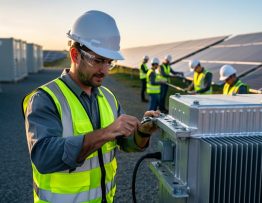
The renewable energy sector demands 1.2 million new workers globally by 2030, with mechanical engineers positioned as critical architects of …
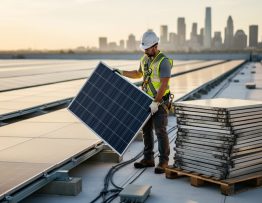
The solar industry faces a critical inflection point: as early installations reach end-of-life, businesses must decide whether panels become tomorrow’s …

Understand your financial exposure before signing solar procurement contracts: Extended Producer Responsibility laws now shift end-of-life disposal costs and recycling …
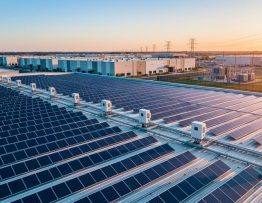
Feed-in tariffs represent a guaranteed payment mechanism where utility companies compensate solar energy producers at a predetermined rate for every …
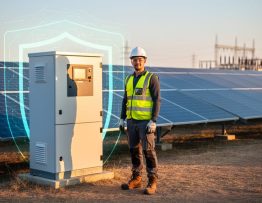
The energy sector faces a critical vulnerability paradox: as solar installations become smarter and more connected, they simultaneously become prime …

A photovoltaic string represents the fundamental building block of commercial solar installations—a series of solar panels connected to create the …

Modern solar installations have evolved far beyond panels on rooftops. Today’s technology ecosystems integrate monitoring platforms, energy storage systems, and …

Government-Sponsored Enterprise (GSE) securities—the financial instruments that transformed residential mortgages into tradable assets worth trillions—are now emerging as a blueprint …

When disaster strikes, conventional power infrastructure often fails first—leaving critical facilities, emergency operations centers, and commercial enterprises without the electricity …

Data centers consume approximately 1-2% of global electricity—a figure projected to triple by 2030 as digital infrastructure expands. For facility …