
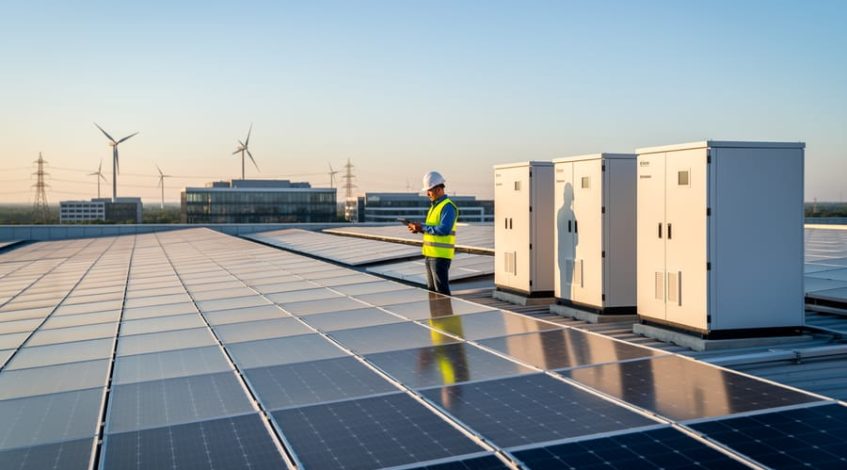
Integrating renewable energy into your operations requires a systematic approach that aligns decarbonization objectives with financial performance. Conduct a comprehensive energy audit to establish your baseline consumption patterns, peak demand periods, and current carbon footprint—this data forms the foundation for sizing renewable systems appropriately and identifying immediate efficiency opportunities before capital investment. Develop a phased implementation roadmap that prioritizes high-impact installations where renewable generation aligns with consumption profiles, enabling you to capture maximum value while minimizing grid dependency and operational disruption.
Structure your renewable integration strategy around three parallel workstreams: technical feasibility assessments that evaluate site conditions and grid interconnection requirements, financial modeling that quantifies lifecycle costs against conventional energy procurement, and organizational readiness planning that addresses stakeholder engagement and operational capability development. Organizations achieving the highest returns typically begin with on-site solar installations for facilities with substantial daytime electricity demand, then expand to power purchase agreements or community solar participation for locations where physical installation proves impractical.
The business case for renewable integration extends beyond carbon reduction. Leading implementations demonstrate 20-40 percent reductions in energy costs over 25-year system lifespans, enhanced price stability against volatile utility rates, and measurable improvements in corporate sustainability metrics that influence investor decisions and customer preferences. Success depends on selecting proven technologies, engaging experienced implementation partners, and establishing clear performance monitoring frameworks that track both environmental impact and financial returns from day one of operation.
Understanding Renewable Energy Integration in Decarbonization Frameworks
The Role of Solar Energy in Carbon Reduction
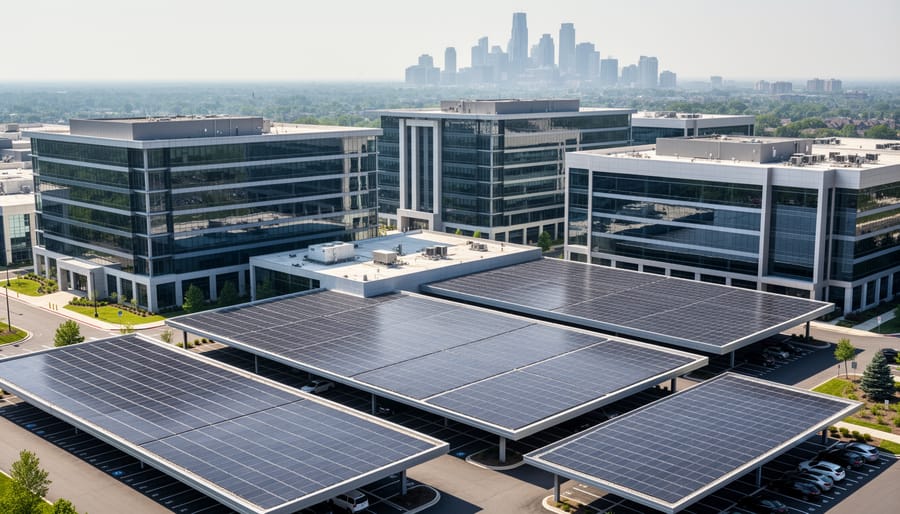
Solar photovoltaic systems serve as one of the most effective tools for organizations seeking measurable carbon reduction. By converting sunlight directly into electricity, solar installations displace grid power that would otherwise be generated through fossil fuel combustion, creating an immediate and quantifiable decrease in greenhouse gas emissions.
The carbon reduction impact of solar energy is substantial and trackable. For every kilowatt-hour of solar electricity generated, approximately 0.4 to 0.9 kilograms of carbon dioxide emissions are avoided, depending on the regional grid’s energy mix. A commercial facility installing a 500-kilowatt solar array can typically offset 250 to 400 metric tons of carbon dioxide annually, equivalent to removing 50 to 85 passenger vehicles from the road.
Organizations implementing solar systems gain transparent metrics for sustainability reporting. Modern monitoring platforms provide real-time data on energy production, carbon displacement, and progress toward environmental targets. This granular visibility enables facility managers to demonstrate concrete results to stakeholders and align with corporate sustainability commitments.
Real-world applications validate these benefits across sectors. Manufacturing facilities have reduced operational carbon footprints by 30 to 50 percent through rooftop solar integration, while distribution centers leverage large roof surfaces to achieve carbon neutrality in their electrical consumption. Government buildings implementing solar installations not only meet regulatory requirements but also establish benchmarks for community-wide decarbonization initiatives.
The predictability of solar performance allows organizations to forecast long-term carbon reduction trajectories with confidence, supporting strategic planning for net-zero targets and enhanced environmental stewardship credentials.
Integration vs. Simple Installation: The Critical Difference
Many organizations mistakenly believe that purchasing solar panels or wind turbines automatically translates to meaningful decarbonization. However, simple installation differs fundamentally from genuine integration. Installation represents a standalone addition to your facility—placing panels on a rooftop or turbines in a field without strategic connection to your broader energy ecosystem. Integration, conversely, involves sophisticated coordination between renewable generation, existing infrastructure, energy storage systems, and consumption patterns to maximize both efficiency and carbon reduction.
True integration requires comprehensive assessment of your energy profile, including peak demand periods, load variability, and grid interaction capabilities. A manufacturing facility, for example, might install 500kW of solar capacity yet achieve minimal decarbonization if that power generates during low-demand periods while heavy machinery still draws from fossil fuel sources during peak production hours. Integrated approaches incorporate battery storage, demand response protocols, and smart energy management systems that align renewable generation with actual consumption needs.
The distinction becomes particularly evident in industrial decarbonization strategies, where process heating, cooling, and continuous operations demand sophisticated energy orchestration. A properly integrated system analyzes real-time data, automatically shifts loads to renewable availability windows, stores excess generation, and optimizes grid interactions to minimize carbon intensity throughout operations. This strategic approach typically delivers 40-60% greater emissions reduction compared to simple installation, while improving return on investment through enhanced energy cost management and operational resilience.
Strategic Approaches to Effective Renewable Integration
Energy Audits and Baseline Assessment
Before implementing any renewable energy solution, conducting a comprehensive energy audit establishes the foundation for strategic decision-making. This baseline assessment quantifies your facility’s current energy consumption patterns, identifies peak demand periods, and calculates your existing carbon footprint. Understanding these metrics enables you to design renewable integration strategies that align precisely with your operational needs and sustainability targets.
A thorough audit examines electricity usage across different time periods, evaluates equipment efficiency, and identifies energy waste areas. This data-driven approach reveals which renewable technologies deliver optimal return on investment for your specific consumption profile. For instance, facilities with high daytime energy demands often achieve maximum value from solar photovoltaic systems, while those with consistent 24-hour operations may benefit from hybrid renewable solutions.
The baseline assessment also establishes measurable benchmarks for tracking decarbonization progress. By documenting pre-implementation carbon emissions and energy costs, you create quantifiable metrics that demonstrate environmental impact reduction and financial savings. This documentation proves invaluable for stakeholder reporting, sustainability certifications, and securing financing for renewable projects. Many organizations discover that energy audits identify immediate efficiency improvements that reduce overall system sizing requirements, lowering initial capital investment while accelerating payback periods.
System Sizing and Optimization for Maximum Carbon Offset
Achieving meaningful carbon reduction requires precise system sizing that balances environmental impact with financial performance. An optimally sized solar installation considers current energy consumption patterns, projected growth, available roof or ground space, and budget constraints to deliver maximum carbon offset per invested dollar.
Undersized systems leave carbon reduction potential unrealized, while oversized installations may extend payback periods unnecessarily. Professional energy audits and load analysis form the foundation for accurate sizing, examining historical consumption data, peak demand periods, and seasonal variations to determine the ideal system capacity.
Advanced modeling tools now enable facility managers to simulate multiple scenarios, comparing different system sizes against projected carbon savings and financial returns. A manufacturing facility in Germany, for example, implemented a 500 kW solar array after comprehensive analysis showed this capacity would offset 420 tonnes of CO2 annually while achieving ROI within seven years—striking the optimal balance between environmental and economic objectives.
Consider battery storage integration during the sizing phase. Energy storage systems can increase self-consumption rates from 30% to 70%, effectively amplifying carbon reduction benefits by displacing more grid electricity. This optimization approach ensures every kilowatt of installed capacity contributes meaningfully to decarbonization targets while maintaining acceptable payback timelines that satisfy stakeholder expectations and budget requirements.
Grid Integration and Energy Storage Solutions
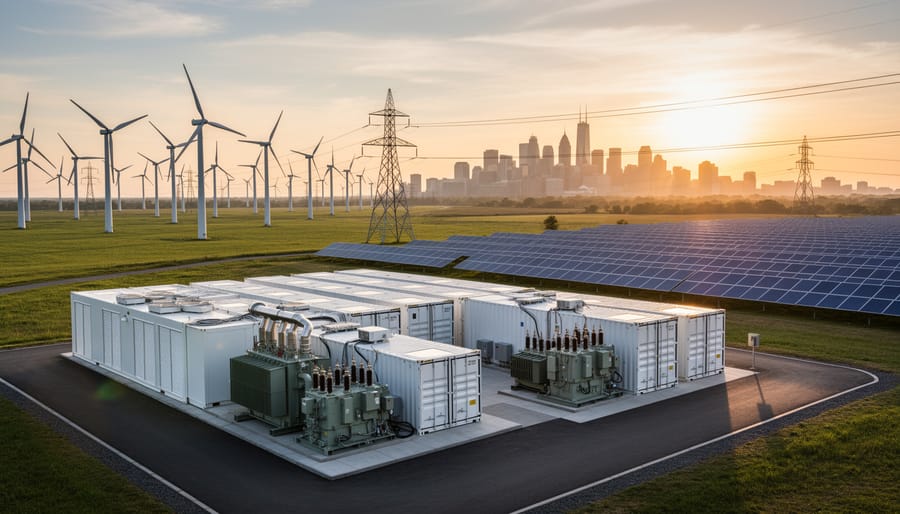
The intermittent nature of solar and wind generation requires sophisticated storage and distribution solutions to maximize decarbonization potential. Advanced battery storage systems now enable businesses to capture excess renewable energy during peak production periods and deploy it during high-demand intervals, effectively eliminating the need for fossil fuel backup generation.
Modern lithium-ion and emerging solid-state battery technologies offer storage capacities ranging from kilowatt-hours for individual facilities to megawatt-hours for industrial operations. A manufacturing facility in South Australia reduced grid dependence by 73 percent after installing a 500 kWh battery system paired with rooftop solar, cutting annual carbon emissions by 420 tonnes while achieving payback within 5.8 years.
Smart grid integration amplifies these benefits through real-time energy management systems that optimize consumption patterns and storage utilization. These platforms use predictive algorithms to balance generation, storage, and demand automatically, reducing energy waste by up to 30 percent. When combined with comprehensive decarbonization approaches, integrated storage solutions transform renewable installations from supplementary power sources into primary energy systems capable of delivering consistent, carbon-free electricity. The investment becomes particularly attractive with declining battery costs, which have dropped 89 percent since 2010, making grid-independent renewable operations increasingly viable for commercial enterprises seeking measurable sustainability outcomes.
Real-World Impact: Decarbonization Through Solar Integration

Commercial Sector Success: Reducing Operational Carbon by 60%
A leading commercial distribution center in southeastern Australia demonstrated the substantial impact of strategic solar integration by reducing operational carbon emissions by 60% within 18 months of system deployment. The 450,000-square-foot facility partnered with renewable energy specialists to design a comprehensive solution that addressed both immediate energy demands and long-term sustainability objectives.
The project centered on installing a 1.2 MW rooftop solar array combined with intelligent energy management systems that synchronized renewable generation with the facility’s operational patterns. Engineers conducted detailed load profiling to identify peak consumption periods and optimize system sizing. The integration included battery storage capacity of 500 kWh, ensuring consistent power availability during critical operations and maximizing solar utilization during off-peak hours.
Key to achieving this level of operational carbon reduction was the seamless integration with existing building management systems. Real-time monitoring enabled dynamic load shifting, directing renewable energy to high-priority operations while storing excess generation for later use. The facility maintained full operational capacity throughout the transition, demonstrating that significant carbon reduction need not disrupt business continuity.
Financial outcomes reinforced the environmental success. The installation delivered a 42% reduction in annual energy costs, with projected payback occurring within 5.8 years. Additional value emerged through enhanced corporate sustainability credentials, supporting the company’s commitment to stakeholder expectations regarding environmental responsibility.
This case validates the viability of ambitious carbon reduction targets in commercial operations. The combination of properly sized renewable systems, intelligent integration, and strategic energy management created measurable environmental impact while strengthening the facility’s financial performance. Such results provide a compelling blueprint for similar commercial operations seeking practical pathways to meaningful decarbonization.
Government Institution: Meeting Decarbonization Mandates
The Regional Services Administration Center in Queensland successfully achieved its mandated 50% carbon reduction target three years ahead of schedule through strategic renewable energy integration. This 45,000-square-meter facility, housing approximately 800 employees, implemented a comprehensive solar solution that demonstrates how government institutions can meet environmental obligations while optimizing operational budgets.
The facility installed a 750kW rooftop solar array combined with 500kWh battery storage, designed to address the building’s significant daytime energy consumption from HVAC systems, IT infrastructure, and lighting. The integration included smart energy management systems that automatically prioritize renewable energy use and optimize battery charging cycles based on weather forecasts and historical consumption patterns.
Results exceeded initial projections across all performance indicators. The installation reduced grid electricity consumption by 62%, translating to annual cost savings of $187,000. Carbon emissions decreased by 580 tonnes annually, surpassing the regulatory requirement while positioning the facility as a benchmark for sector-specific carbon reduction initiatives. The 6.8-year payback period aligned with budget forecasts, while the system’s 25-year warranty ensures long-term performance certainty.
The project also generated quantifiable co-benefits. Reduced peak demand charges lowered utility costs by an additional 12%, while the visible renewable infrastructure enhanced the facility’s public profile and demonstrated government commitment to environmental leadership. The success prompted expansion planning for additional government buildings within the district.
This implementation illustrates how renewable integration addresses regulatory compliance challenges while delivering measurable financial returns. For government facilities facing similar decarbonization mandates, the Queensland case study provides a replicable framework combining technical feasibility with fiscal responsibility, proving that environmental targets and operational efficiency can advance simultaneously through strategic renewable energy adoption.
Overcoming Integration Challenges in Decarbonization Strategies
Managing Intermittency and Energy Reliability
Effectively managing intermittency requires a multi-layered approach combining energy storage systems, smart grid technologies, and strategic grid connections. Battery storage solutions enable facilities to capture excess renewable generation during peak production hours and deploy it during periods of lower output or high demand. This capability ensures operational continuity while maximizing on-site renewable utilization rates, typically achieving 70-85% self-consumption in commercial applications.
Advanced energy management systems play a critical role by continuously monitoring generation patterns, consumption profiles, and grid conditions to optimize energy flow in real-time. These platforms automatically adjust loads, prioritize critical operations, and determine optimal charging and discharging cycles for storage systems. Many organizations implement demand response capabilities that shift non-essential processes to align with renewable availability, further enhancing system efficiency.
Grid connectivity serves as a reliable backup mechanism, allowing facilities to draw power when renewable generation is insufficient while exporting surplus energy during peak production. Power purchase agreements and net metering arrangements can transform this bidirectional relationship into a revenue opportunity. Leading manufacturers have demonstrated this integrated approach by combining on-site solar installations with battery storage and intelligent controls, achieving 95% uptime while reducing carbon emissions by 60% annually.
Financial Planning and ROI Considerations
Structuring renewable energy projects requires a comprehensive financial framework that balances upfront capital investment with long-term operational savings. Begin by conducting a thorough energy audit to identify consumption patterns and optimal system sizing, which prevents over-investment while ensuring adequate capacity. Most commercial solar installations achieve payback periods of 5-8 years, with systems generating returns for 25+ years beyond initial cost recovery.
Leverage available incentives strategically. Investment tax credits, accelerated depreciation schedules, and renewable energy certificates significantly improve project economics. Power purchase agreements offer zero-capital alternatives, allowing organizations to benefit from clean energy without balance sheet impact. When evaluating proposals, calculate levelized cost of energy rather than focusing solely on installation costs—this reveals the true per-kilowatt-hour value over the system’s lifetime.
Risk mitigation strengthens financial viability. Performance guarantees, comprehensive warranties, and monitoring systems protect against underperformance. Consider phased implementation approaches that allow organizations to validate returns before scaling. Leading organizations demonstrate that renewable integration delivers 15-30% energy cost reductions while simultaneously advancing decarbonization targets, proving that environmental responsibility and financial performance are complementary objectives rather than competing priorities.
Regulatory Compliance and Incentive Optimization
Successfully navigating regulatory compliance and incentive structures represents a significant opportunity to improve project economics while accelerating renewable energy deployment. European businesses can leverage multiple frameworks, including the EU Renewable Energy Directive which mandates renewable energy targets, and national feed-in tariffs that guarantee competitive rates for solar-generated electricity. Investment tax credits, accelerated depreciation schedules, and capital grants substantially reduce initial costs, with some jurisdictions offering up to 40% capital recovery through combined incentive programs. Organizations should conduct comprehensive incentive audits early in project planning to maximize financial benefits. Consider a manufacturing facility in Germany that reduced its solar installation costs by 35% through strategic combination of federal grants and regional decarbonization incentives. Compliance requirements, including grid connection standards and power quality regulations, demand careful attention but are well-established across EU markets. Working with experienced energy partners ensures adherence to technical standards while optimizing available financial mechanisms, transforming regulatory frameworks from potential obstacles into strategic advantages that enhance return on investment and support long-term sustainability objectives.
Measuring and Reporting Decarbonization Progress
Carbon Metrics and Monitoring Systems
Effective carbon monitoring requires sophisticated measurement systems that track real-time performance and validate environmental benefits. Modern renewable energy installations incorporate Internet of Things (IoT) sensors and smart meters that continuously collect data on energy generation, consumption patterns, and grid interactions. These systems calculate precise carbon offset metrics by comparing renewable generation against conventional grid emissions, providing transparent documentation for sustainability reporting and regulatory compliance.
Advanced monitoring platforms integrate with building management systems to correlate renewable energy production with facility operations, enabling granular analysis of decarbonization progress. Many organizations utilize blockchain-based verification systems to create immutable records of carbon reductions, enhancing credibility for stakeholders and investors. Measuring carbon impact becomes increasingly accurate through machine learning algorithms that account for variables like weather patterns, seasonal demand fluctuations, and equipment efficiency.
Leading facilities employ third-party verification services to audit their carbon metrics quarterly, ensuring accuracy and alignment with international standards such as the Greenhouse Gas Protocol. These comprehensive monitoring systems generate actionable insights that inform operational adjustments, demonstrate return on investment, and support certification programs like carbon neutrality declarations, providing quantifiable evidence of environmental stewardship to customers and regulatory bodies.
Communicating Results to Stakeholders
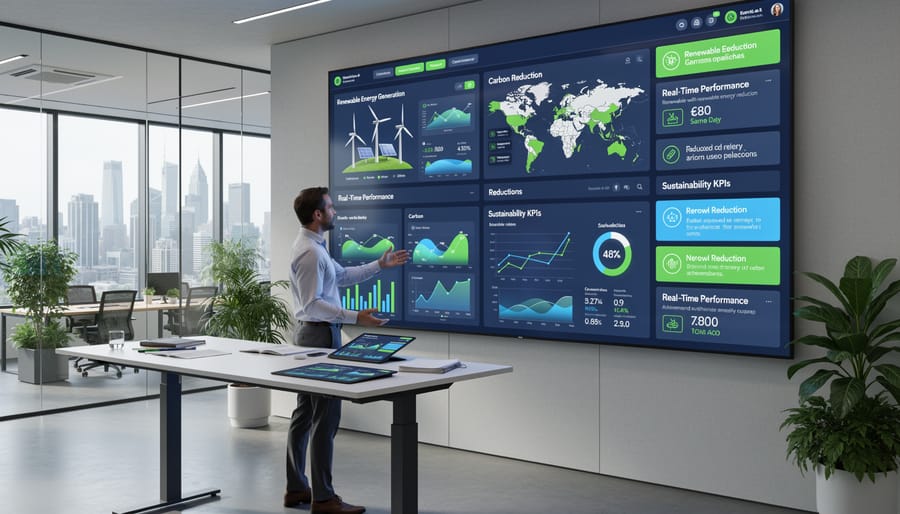
Transparent communication of decarbonization achievements builds trust and demonstrates accountability to key stakeholders. Develop a standardized reporting framework that quantifies both environmental and financial metrics, including total carbon emissions reduced, renewable energy percentage of total consumption, and cost savings achieved. Investors increasingly prioritize Environmental, Social, and Governance (ESG) criteria when evaluating opportunities, making comprehensive sustainability reporting essential for maintaining competitive advantage.
For regulatory compliance, maintain detailed documentation of renewable energy installations, energy production data, and emissions reductions. Many jurisdictions offer incentives and simplified permitting processes for organizations that demonstrate measurable progress toward decarbonization targets. Present data through clear visualizations such as year-over-year comparison charts and carbon footprint dashboards that illustrate progress against established benchmarks.
Customer-facing communications should emphasize tangible outcomes rather than technical specifications. Share concrete results through annual sustainability reports, website updates, and marketing materials that highlight your organization’s commitment to environmental responsibility. Consider third-party verification of emissions reductions to enhance credibility. Regular stakeholder updates, whether quarterly or annually, demonstrate ongoing commitment and create opportunities for feedback that can inform future renewable energy investments and operational improvements.
The successful integration of renewable energy stands as a cornerstone of meaningful decarbonization efforts, moving beyond aspirational goals to deliver measurable environmental and economic outcomes. Organizations that approach renewable energy integration strategically position themselves to reduce carbon footprints while simultaneously capturing substantial operational savings and long-term financial value.
The evidence from real-world implementations demonstrates that properly executed renewable energy integration delivers dual benefits that strengthen both environmental stewardship and business performance. Companies that have implemented comprehensive solar installations report carbon emission reductions of 30-50% alongside energy cost savings that improve operational margins year after year. These outcomes validate renewable energy not as an expense, but as a strategic investment with quantifiable returns.
The pathway to effective integration requires careful planning, but the framework is well-established. Begin by conducting a thorough energy audit to understand your current consumption patterns and identify optimization opportunities. Engage qualified partners who bring both technical expertise and proven implementation experience. Prioritize scalable solutions that can evolve with your organization’s needs and leverage available incentives to improve project economics.
The window of opportunity for renewable energy integration continues to widen as technology costs decline and policy support strengthens. Organizations that act now benefit from favorable market conditions while building resilience against future energy price volatility and regulatory requirements. The question is no longer whether to integrate renewable energy, but how quickly your organization can begin realizing the environmental and financial advantages that integration delivers.