
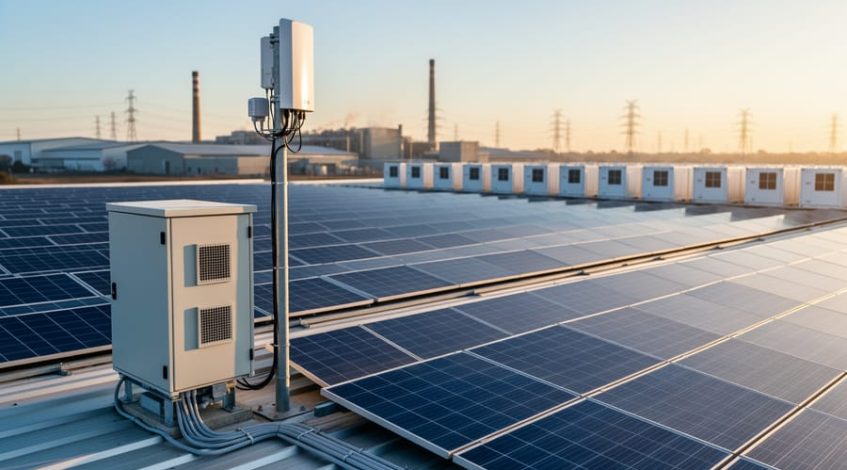
Edge computing infrastructure deployed at 5G network boundaries is transforming solar installations into intelligent energy ecosystems that process data milliseconds from generation points. This architectural shift moves computational workload from centralized cloud servers to local devices at solar facilities, enabling real-time analytics, predictive maintenance, and automated grid interactions that were previously impossible with traditional network latencies.
Commercial solar operators implementing 5G edge computing reduce operational response times from seconds to milliseconds, allowing immediate adjustments to production anomalies, weather pattern changes, and grid demand fluctuations. A manufacturing facility in Rotterdam demonstrated 23% improvement in energy efficiency after deploying edge-enabled solar monitoring, processing 50,000 data points per second locally rather than routing through distant servers.
The technology addresses three critical limitations in conventional solar management: latency-sensitive decision making, bandwidth constraints when transmitting terabytes of sensor data, and dependence on continuous internet connectivity for system operations. Edge computing nodes installed directly at solar arrays execute machine learning algorithms locally, identifying equipment degradation patterns and optimizing inverter performance without external network dependencies.
For facility managers evaluating solar investments, understanding 5G edge computing integration determines whether installations deliver basic electricity generation or function as adaptive energy assets. The convergence enables solar systems to participate actively in demand response programs, execute automated trading in energy markets, and coordinate with battery storage systems with precision previously reserved for utility-scale operations. Implementation costs have decreased 40% since 2022, making this capability accessible for mid-sized commercial installations exceeding 500 kW capacity.
The Technical Foundation: What 5G Edge Computing Brings to Solar Systems
From Cloud to Edge: Processing Power Where It Matters
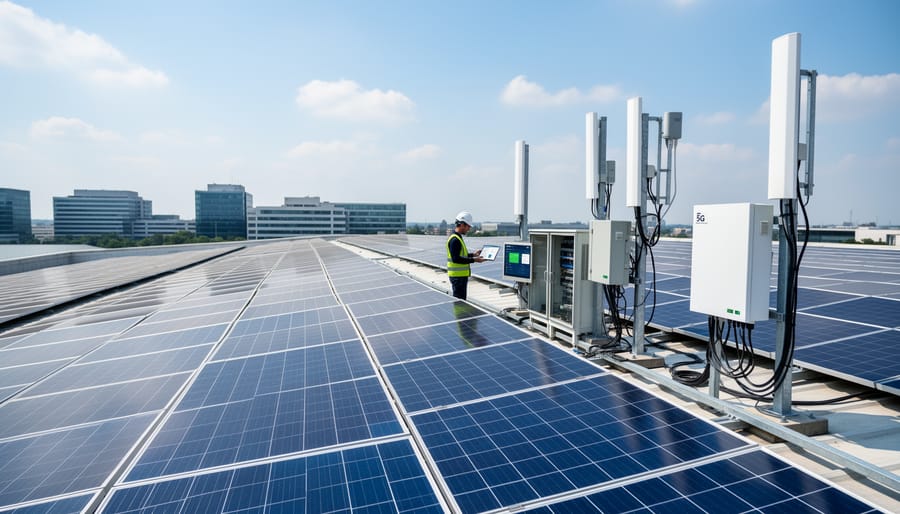
Traditional cloud-based solar monitoring systems face a fundamental challenge: data must travel from solar installations to distant data centers and back again, creating latency that can delay critical operational decisions. Edge computing fundamentally changes this architecture by positioning processing power directly at or near solar facilities, enabling immediate data analysis and response.
In practical terms, this means computational resources are deployed at the installation site rather than in remote data centers. A solar facility equipped with edge computing infrastructure can process performance data, weather patterns, and grid conditions locally, making autonomous decisions in milliseconds rather than seconds or minutes. This proximity to data sources proves particularly valuable when rapid response determines system performance and revenue generation.
For facility managers, the shift to edge architecture delivers tangible operational advantages. When cloud connectivity experiences disruptions, edge-enabled systems continue functioning independently, ensuring uninterrupted monitoring and optimization. A manufacturing facility in Germany demonstrated this capability during a regional internet outage, maintaining optimal solar performance through local edge processing while cloud-dependent competitors experienced monitoring gaps.
The architecture also reduces bandwidth costs significantly. Rather than transmitting raw data streams to cloud servers, edge devices process information locally and send only relevant insights and summary data. A commercial solar portfolio operator reported 70% reduction in data transmission costs after implementing edge computing across fifteen facilities.
Furthermore, edge computing enables sophisticated real-time applications previously impractical with cloud-only approaches. Predictive maintenance algorithms can identify potential equipment failures and trigger immediate protective responses, preventing costly downtime and equipment damage before human intervention becomes possible.
5G as the Communication Backbone
5G networks deliver the ultra-fast, low-latency connectivity essential for modern commercial solar installations. With speeds up to 100 times faster than 4G and latency as low as 1 millisecond, 5G enables seamless communication between thousands of connected devices across large-scale solar arrays.
This enhanced connectivity proves particularly valuable when managing the massive data streams generated by solar panels, inverters, weather sensors, and monitoring equipment. Traditional networks often struggle with the volume and frequency of data transmission required for real-time performance optimization. 5G overcomes these limitations, processing gigabytes of operational data instantaneously from distributed solar assets.
For facility managers overseeing multiple commercial installations, 5G provides the reliability needed for continuous monitoring without network congestion or dropouts. The technology supports high-density device connectivity—critical when deploying comprehensive IoT solutions for solar across expansive rooftop or ground-mounted systems.
This robust communication infrastructure ensures that edge computing devices receive and process data without delays, enabling immediate responses to changing conditions. The result is enhanced system performance, reduced downtime, and improved energy yields that directly impact your operational bottom line.
Real-Time System Optimization and Performance Management
Instantaneous Load Balancing and Grid Integration
The integration of 5G edge computing with commercial solar installations enables real-time load balancing that responds to grid conditions within milliseconds. By processing energy production and consumption data directly on-site, edge computing systems eliminate the latency associated with cloud-based processing, allowing facilities to adjust their energy usage dynamically based on current generation levels and grid demand.
When solar production peaks during midday hours, edge-enabled systems can automatically redirect excess energy to charging electric vehicle fleets, activating thermal storage systems, or feeding power back to the grid at optimal rates. This localized decision-making process happens without requiring constant communication with centralized servers, ensuring uninterrupted energy systems optimization even during network disruptions.
A practical application involves a manufacturing facility in Victoria that implemented 5G edge computing alongside its 500kW solar array. The system processes data from 200 sensors every second, managing battery storage, HVAC systems, and production line power draws based on real-time solar output. During peak demand periods, the facility automatically reduces non-essential loads and draws from battery reserves, avoiding expensive demand charges while maintaining critical operations.
The seamless grid integration capabilities enable facilities to participate in demand response programs more effectively, generating additional revenue streams while supporting grid stability. Edge computing processes grid signals instantaneously, allowing businesses to respond to utility requests for load reduction within seconds rather than minutes, maximizing incentive payments and strengthening their position as valuable grid assets.
Weather-Responsive Energy Forecasting
Local edge computing nodes transform solar energy management by processing weather data within milliseconds, enabling rapid adjustments to system parameters before conditions impact performance. Unlike centralized cloud systems that introduce latency, edge nodes positioned at facility sites analyze real-time meteorological inputs including cloud cover, temperature fluctuations, wind patterns, and atmospheric pressure to predict energy generation with remarkable accuracy.
These distributed computing systems integrate data from on-site weather stations, satellite feeds, and regional meteorological services to create localized forecasts specific to each installation. When sensors detect incoming cloud formations, edge processors immediately calculate expected irradiance reduction and adjust inverter settings, energy storage dispatch schedules, and grid interaction protocols accordingly. This proactive approach maximizes energy capture during optimal conditions while maintaining system stability during variable weather patterns.
For commercial facilities, weather-responsive forecasting delivers tangible operational benefits. A manufacturing plant in Northern Europe implemented 5G-enabled edge computing across its 2-megawatt solar array, achieving 18% improvement in energy yield prediction accuracy and reducing grid dependency costs by approximately €45,000 annually. The system’s ability to anticipate weather-related production changes allows facility managers to optimize energy-intensive operations during peak generation periods and schedule maintenance during predicted low-output windows.
The financial advantage extends beyond immediate energy savings. Accurate weather-based forecasting enables more competitive participation in energy markets, improved demand response program performance, and reduced wear on system components through intelligent operational adjustments. Implementation typically shows measurable ROI within 24-36 months through enhanced performance optimization and reduced operational inefficiencies.
Predictive Maintenance and Operational Efficiency
AI-Powered Fault Detection at the Edge
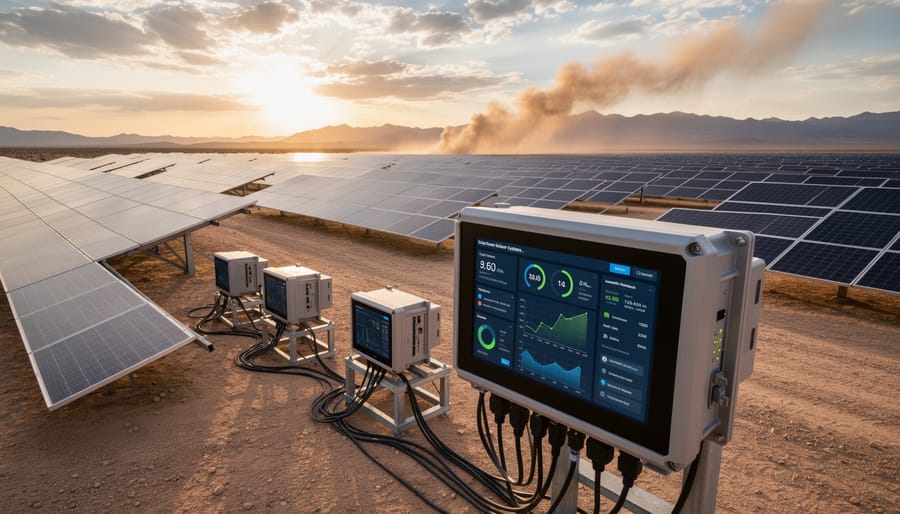
AI-powered fault detection represents a significant advancement in solar asset management, combining 5G edge computing with machine learning algorithms to identify equipment failures before they impact production. Edge devices deployed at solar installations continuously analyze data from inverters, panel sensors, and weather monitoring systems, processing information locally rather than sending it to distant cloud servers.
This localized processing delivers immediate benefits for commercial solar operators. Machine learning models running on edge devices can detect subtle anomalies in voltage fluctuations, temperature variations, and performance degradation patterns that human operators might miss. By analyzing thousands of data points per second, these systems identify early warning signs of component failure, from failing bypass diodes to potential inverter malfunctions.
The practical advantage lies in response time. A major Australian industrial facility recently implemented edge-based fault detection across its 2MW solar array, reducing unplanned downtime by 73 percent within the first year. The system identified a developing connection issue in one string that would have resulted in a complete inverter failure, alerting maintenance teams 48 hours before critical failure occurred.
For facility managers, this technology translates directly to improved return on investment. Preventive interventions cost significantly less than emergency repairs, while minimized downtime ensures consistent energy generation. The 5G connectivity enables multiple edge devices to share insights across installations, creating a network effect that improves detection accuracy over time.
Automated System Diagnostics and Response
Edge computing architecture fundamentally transforms how solar installations handle operational challenges through intelligent autonomous systems. By processing diagnostic data locally at the network edge, these systems detect performance anomalies, equipment degradation, and minor faults within milliseconds rather than waiting for centralized cloud analysis.
The autonomous response capability proves particularly valuable for commercial solar facilities. When edge processors identify issues such as inverter efficiency drops, panel soiling patterns, or grid connection irregularities, the system executes predefined corrective protocols immediately. This includes adjusting maximum power point tracking parameters, recalibrating monitoring sensors, or temporarily redistributing loads across inverter strings to maintain optimal output.
Real-world deployment data demonstrates measurable impact. A manufacturing facility in Rotterdam implemented edge-based diagnostics across their 500kW solar array, achieving 23% reduction in system downtime and 15% decrease in maintenance costs during the first operational year. The system autonomously resolved 78% of minor issues before requiring human intervention.
This self-healing capability delivers substantial return on investment for facility managers. Reduced truck rolls, minimized production losses from solar downtime, and extended equipment lifespan through proactive adjustments contribute directly to improved operational economics. The technology proves especially cost-effective for distributed solar portfolios where rapid response across multiple sites would otherwise require significant staffing resources.
Business Case: ROI and Operational Benefits
Reduced Operational Costs Through Automation
Implementing 5G edge computing in solar operations delivers measurable cost reductions across multiple operational areas. Traditional solar facility management requires regular on-site inspections and maintenance visits, with technicians traveling to remote installations to diagnose issues and perform routine checks. With real-time monitoring enabled by edge computing, facilities can reduce site visits by up to 40%, translating to significant savings in labor costs, vehicle expenses, and travel time.
The technology accelerates issue resolution through instant anomaly detection and automated diagnostics. When performance drops or equipment malfunctions occur, edge computing systems identify the root cause within minutes rather than hours or days. This rapid response minimizes energy production losses that would otherwise accumulate during extended diagnostic periods. A commercial solar installation experiencing a 10% efficiency drop for just one day can lose thousands of dollars in potential revenue—losses that edge computing helps prevent.
Energy optimization algorithms running at the edge continuously adjust panel angles, inverter settings, and power distribution based on real-time conditions. These micro-adjustments, processed locally without cloud latency, can improve overall energy capture by 8-15% depending on installation complexity and environmental factors. Additionally, predictive maintenance capabilities reduce emergency repair costs by identifying component degradation before failures occur, allowing for scheduled maintenance during optimal timing rather than expensive emergency callouts.
Enhanced Energy Revenue and System Uptime
5G edge computing delivers measurable improvements in energy production through enhanced system monitoring and rapid fault response. Real-time data processing at the network edge enables operators to identify performance degradation within seconds rather than hours, minimizing revenue losses from underperforming arrays. When combined with predictive analytics, this technology can detect potential failures before they occur, reducing unplanned downtime by up to 40% in commercial solar operations.
A logistics facility in Queensland implemented 5G edge computing across its 500kW solar installation and achieved a 3.2% increase in annual energy output within the first year. The enhanced monitoring system identified shading patterns and inverter inefficiencies that previous SCADA systems missed, while automated response protocols restored optimal performance parameters within minutes of detecting anomalies.
Financial returns improve correspondingly. Facilities maintaining 99% uptime through edge computing generate significantly more revenue than those experiencing periodic performance gaps. The technology also reduces maintenance costs by enabling condition-based interventions rather than scheduled inspections, optimizing both operational expenditure and capital equipment lifespan. For large-scale installations, even marginal improvements in system availability translate to substantial gains in long-term returns.
Implementation Considerations for Commercial Solar Projects
Infrastructure Requirements and Integration Pathways
Implementing 5G edge computing within solar facilities requires three foundational infrastructure layers. First, the hardware component demands dedicated edge servers positioned strategically near solar arrays, equipped with processing capabilities of 64-256GB RAM and enterprise-grade storage systems. These units must withstand industrial environmental conditions while maintaining 99.9% uptime standards.
Network infrastructure forms the second critical layer, requiring private 5G networks or dedicated network slices from commercial providers. This ensures sub-10 millisecond latency necessary for real-time solar performance monitoring and grid response coordination. Facilities should budget for small cell installations, fiber backhaul connections, and redundant connectivity pathways to guarantee uninterrupted operations.
The software integration pathway includes containerized analytics platforms, machine learning frameworks for predictive maintenance, and API-based connections to existing energy management systems. Leading commercial installations demonstrate successful integration within 60-90 days when utilizing standardized protocols like MQTT and RESTful APIs. Integration costs typically range from $50,000-$200,000 depending on facility scale, with operational cost reductions of 15-25% achieved within the first year through optimized energy production and reduced equipment downtime. Cloud-hybrid architectures provide scalability while maintaining local processing capabilities for time-sensitive operations.
Security and Data Management Protocols
Implementing 5G edge computing in solar installations requires robust security frameworks to protect distributed energy assets. The decentralized nature of edge nodes creates multiple potential entry points, making comprehensive cybersecurity considerations essential for protecting operational integrity and sensitive energy data.
Security protocols should encompass end-to-end encryption for data transmission between edge devices and central management systems. Multi-factor authentication and role-based access controls ensure that only authorized personnel can modify system configurations or access performance data. Regular security audits and firmware updates maintain protection against evolving cyber threats.
Data governance frameworks must address compliance with privacy regulations while enabling effective energy management. Edge processing offers inherent security advantages by keeping sensitive operational data local rather than transmitting it continuously to cloud servers. This reduces exposure to network-based attacks and ensures business continuity during connectivity disruptions.
Implementing zero-trust architecture principles, where every device and user must be verified regardless of location, provides additional protection layers. For commercial solar installations managing significant energy loads, establishing clear data retention policies and automated backup procedures safeguards critical performance metrics and operational history, supporting long-term asset management and regulatory compliance.
Real-World Applications: Case Studies in Smart Solar Integration
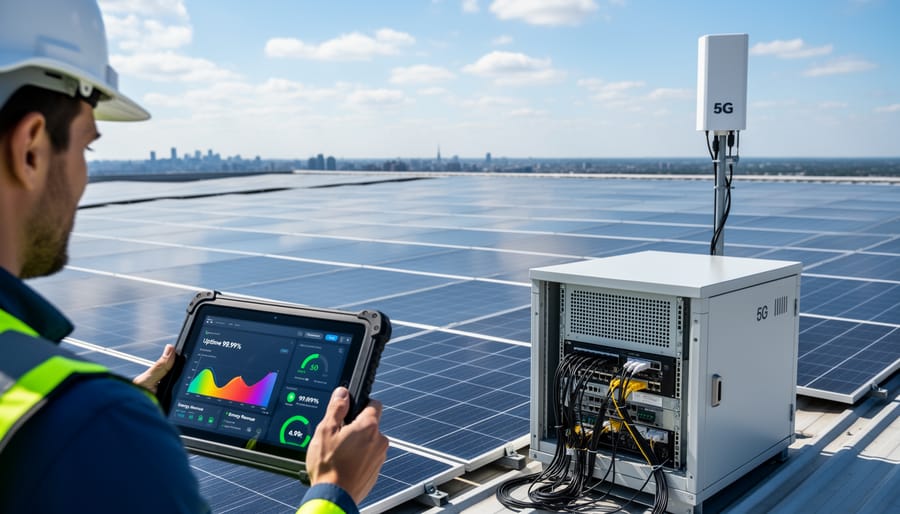
Leading organizations across Europe are already realizing substantial benefits from integrating 5G edge computing with their solar infrastructure. These implementations demonstrate how advanced connectivity transforms solar arrays from passive generation assets into intelligent, responsive energy systems.
A major pharmaceutical manufacturing facility in the Netherlands deployed 5G edge computing across its 2.5 MW rooftop solar installation in early 2023. The system processes data from over 8,000 individual sensors in real-time, enabling panel-level performance monitoring and predictive maintenance. Within six months, the facility reported a 12% increase in energy yield through optimized panel positioning and early fault detection. The edge computing architecture reduced cloud data transmission costs by 73% while improving system response times from several seconds to under 20 milliseconds.
In Germany, a logistics distribution center implemented 5G-enabled edge computing to coordinate solar generation with cold storage operations. The ultra-low latency network allows the facility to adjust refrigeration loads within milliseconds of detecting cloud cover changes, maintaining temperature requirements while maximizing solar self-consumption. This dynamic load management increased the facility’s solar utilization rate from 68% to 89%, reducing grid electricity purchases by €180,000 annually.
A commercial office park in Spain achieved remarkable results by deploying edge computing nodes at transformer stations throughout its 15-building campus. The distributed architecture processes generation and consumption data locally, coordinating energy flow between buildings and battery storage systems. The implementation reduced peak demand charges by 34% and enabled the campus to participate in grid stabilization programs, generating an additional revenue stream of €45,000 annually.
These case studies reveal consistent patterns: edge computing delivers measurable improvements in energy yield, operational efficiency, and financial performance. Most installations achieve return on investment within 18 to 24 months through combined energy savings, reduced maintenance costs, and new revenue opportunities. The technology proves particularly valuable for facilities with complex energy profiles requiring rapid, automated responses to changing conditions.
The convergence of 5G and edge computing represents a transformative opportunity for commercial solar operations, delivering measurable improvements in system performance, operational efficiency, and return on investment. Organizations that integrate these technologies position themselves at the forefront of energy management innovation, benefiting from real-time analytics, predictive maintenance capabilities, and enhanced grid responsiveness that translate directly to reduced downtime and optimized energy production.
The business case for adoption continues to strengthen as infrastructure costs decline and network coverage expands. Industry data indicates that facilities implementing 5G-enabled edge computing solutions typically achieve 15-25% improvements in energy yield optimization within the first year, alongside significant reductions in maintenance costs through predictive diagnostics. These performance gains compound over time, substantially improving total cost of ownership while extending system lifespan.
Forward-thinking organizations are already moving beyond pilot programs to full-scale deployment, recognizing that early adoption provides competitive advantages in an increasingly efficiency-driven market. As regulatory frameworks evolve to support smart grid integration and sustainability reporting requirements become more stringent, the strategic value of real-time data capabilities will only intensify.
Now is the appropriate time for facility managers and business leaders to assess their current solar infrastructure against these emerging capabilities. Evaluating network readiness, identifying potential integration points, and developing a phased implementation roadmap will ensure your organization captures the full value proposition of next-generation solar management while maintaining operational continuity and maximizing long-term energy independence.