
A reliable hot water system is one of those things you do not think about much until it stops working. When the shower runs cold, the tank starts leaking or the old unit can no longer keep up with the household, replacement quickly becomes a priority.
For many homes, an electric hot water system is a practical and straightforward option. Electric systems are commonly used across Australian households because they are familiar, effective and available in a range of sizes to suit different needs.
If you are planning an electric hot water system installation, it helps to know what happens during the process, what your installer will check and how to prepare for the job.
When Should You Replace Your Electric Hot Water System?
Not every hot water issue means the whole system needs replacing. Sometimes a repair may be enough, especially if the unit is relatively new and the fault is minor. However, replacement may make more sense if the system is old, leaking, badly rusted or repeatedly breaking down.
Common warning signs include inconsistent hot water, rusty water, unusual noises, water pooling around the tank, higher energy bills or hot water running out much faster than usual.
A leaking tank is usually a strong sign that replacement is needed. While some valves and fittings can be repaired, the storage tank itself is generally not something that can be patched properly for long-term use.
Choosing the Right Size System
One of the most important parts of installation is choosing the right size. If the system is too small, your household may run out of hot water. If it is too large, you may pay more upfront and use more energy than needed.
The right size depends on how many people live in the home, how many bathrooms you have, when hot water is used, and whether the system runs on continuous or off-peak electricity.
A small household may only need a compact unit, while a larger family with multiple showers, a dishwasher and laundry use may need a bigger storage tank. Your installer should talk through your usage and recommend a system that suits your routine, not just replace the old unit with the same size automatically.
Where the System Will Be Installed
In many cases, a new electric hot water system is installed in the same location as the old one. This can make the job simpler because the plumbing and electrical connections are already nearby.
However, the location still needs to be suitable. The installer will check access, drainage, ventilation, safe clearances and whether the base is stable. Outdoor units need to be positioned correctly, while indoor systems may require safe overflow drainage.
If the old system was installed in a poor location, or if access has become difficult, the plumber may recommend relocating it. This can add cost, but it may improve safety, servicing access and long-term performance.
What Happens on Installation Day?
On installation day, the plumber will usually start by turning off the water supply and safely disconnecting the old system. If the unit is electric, the power also needs to be isolated before work begins.
The old tank is then drained and removed. Depending on its size and location, this can be one of the more awkward parts of the job, especially if the system is inside a cupboard, roof space, tight side path or raised platform.
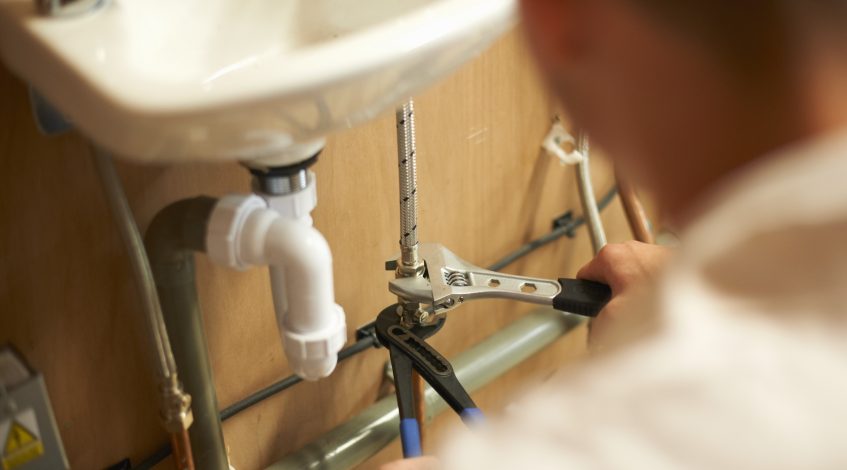
Once the old unit is out, the new electric hot water system is positioned, connected to the water supply and fitted with the required valves and pipework. The electrical connection must be completed safely by a licensed electrician where required.
After everything is connected, the system is filled, checked for leaks and tested to make sure it is operating properly.
Plumbing and Electrical Work Are Both Important
An electric hot water system involves both plumbing and electrical components. The plumbing side includes water connections, valves, drainage and safe pressure control. The electrical side includes the power supply, isolation and connection to the unit.
This is why installation should be handled by qualified trades. Poor installation can cause leaks, electrical hazards, performance issues or warranty problems.
A professional installer will make sure the unit is connected correctly, complies with relevant requirements and is safe to use before leaving the property.
Will You Be Without Hot Water for Long?
During replacement, the hot water supply will be unavailable while the old system is removed and the new one is installed. Once the new system is connected and filled, it will need time to heat the water.
How long this takes depends on the size of the tank, the element and the power supply. Smaller systems may heat faster, while larger storage units can take longer.
It is a good idea to plan around this. If possible, have showers before the installation begins and avoid scheduling the job right before you need large amounts of hot water.
Energy Efficiency Considerations
Traditional electric storage hot water systems are generally simple and reliable, but running costs can vary depending on usage, tariff and system size.
If energy efficiency is a major concern, you may want to compare standard electric storage with alternatives such as heat pump hot water systems. Heat pumps also use electricity, but they operate differently and can be more efficient in many homes.
That said, a standard electric hot water system may still be a suitable option where upfront cost, simplicity or installation constraints are the main priorities. The best choice depends on your household, budget and long-term plans.
How to Prepare Before Installation
Before your installer arrives, clear the area around the existing hot water system. Make sure there is enough access for the old unit to be removed and the new one to be brought in.
If the system is in a garage, cupboard or side path, move stored items out of the way. Keep pets and children away from the work area, and let the installer know about any access issues before the day begins.
It is also helpful to confirm whether someone needs to be home, how payment is handled and whether the old system will be taken away.
What to Check After Installation
After installation, the plumber should explain how the system works and point out any important valves or controls. They should also let you know how long the water will take to heat and what to do if you notice a problem.
Check that there are no visible leaks around the new unit and that the area has been left tidy. Once the system has heated, test the hot water at a tap.
Keep any warranty information, manuals and invoices in a safe place. These may be needed later for servicing, warranty claims or property records.
Maintaining Your New Electric Hot Water System
Once installed, your hot water system should be checked and maintained according to the manufacturer’s recommendations. Valves, anodes and general condition may need attention over time, depending on the system type and local water conditions.
Regular maintenance can help extend the life of the unit and reduce the chance of unexpected failure.
It is also worth keeping an eye out for early warning signs such as leaks, rusty water, unusual noises or changes in hot water supply. Acting early can often prevent bigger problems.
A Smooth Installation Starts with the Right Advice
Installing an efficient electric hot water system is usually a straightforward process when the right unit is chosen and the job is handled by qualified trades. The key steps are selecting the right size, checking the installation location, safely removing the old system and connecting the new one properly.
Before booking, ask about system size, installation requirements, electrical work, old unit removal and what is included in the quote. A good installer should explain your options clearly and recommend a system that suits the way your household uses hot water.
With the right setup, your new electric hot water system should provide reliable hot water and give you confidence that one of the most important parts of your home is working properly.